
June Collyer
Actor
Born: August 19, 1906 in New York City, New York, USA Died: March 16, 1968 Active: 1927-1958 Birth Name: Dorothy Davenport Rowlands
Films
5 films


About June Collyer
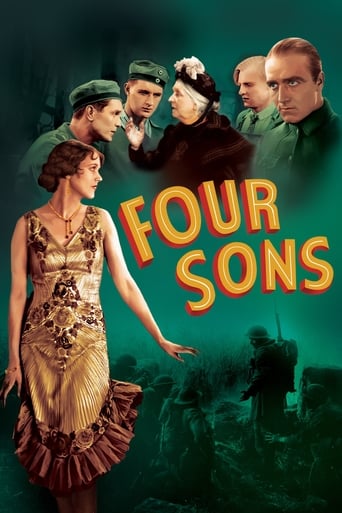
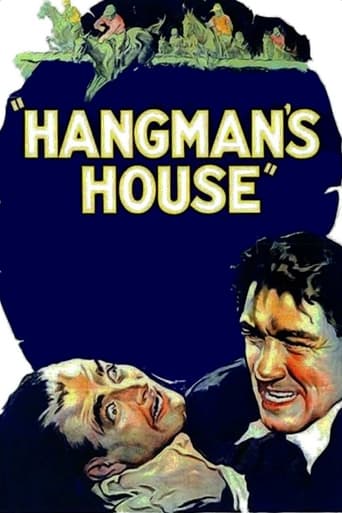
American actress who rose to prominence during the transition from silent films to talkies in the late 1920s. Born Dorothy Davenport Rowlands, she adopted the stage name June Collyer and began her career with Fox Film Corporation, appearing in several notable silent films directed by John Ford. Her performances in Four Sons (1928) and Hangman's House (1928) showcased her ability to convey emotion through the subtle techniques required in silent cinema. As the industry transitioned to sound, Collyer successfully made the leap to talkies, demonstrating her versatility as an actress. Her career continued into the 1930s with roles in various films, though she gradually reduced her film appearances. Later in her career, she found success on television, particularly in the 1950s sitcom The Stu Erwin Show. Collyer's the dramatic evolution of American cinema, from the silent era through the golden age of Hollywood and into the early days of television.
The Craft
On Screen
June Collyer was known for her naturalistic acting style that adapted well from silent films to talkies. In her silent film work, she employed subtle facial expressions and body language to convey emotion, a technique that translated effectively to sound cinema. Her screen presence was characterized by a gentle, approachable demeanor that made her particularly effective in dramatic and romantic roles. Collyer's voice quality was well-suited for early sound recording, allowing her to maintain her career during the challenging transition period that ended many silent film careers.
Milestones
- Breakthrough role in Four Sons (1928)
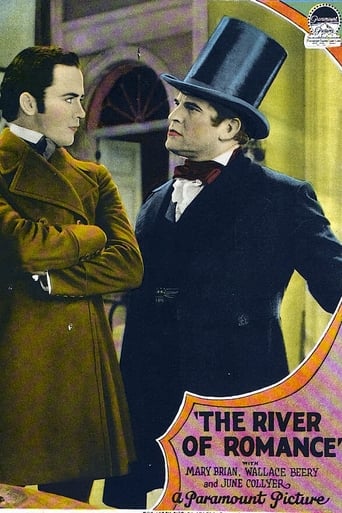
- Transition to talkies with The River of Romance (1929)
- Leading role in Hangman's House (1928)
- Television success in The Stu Erwin Show (1950-1955)
- Marriage to actor Stuart Erwin
Best Known For
Iconic Roles
Must-See Films
Accolades
Special Recognition
- Hollywood Walk of Fame star (for television)
Working Relationships
Worked Often With
Studios
Why They Matter
Impact on Culture
June Collyer represents the generation of actresses who successfully navigated the challenging transition from silent films to talkies, a period that saw the end of many careers. Her work with director John Ford in the late 1920s contributed to some of the significant films of that era, particularly Four Sons, which is considered an important example of late silent cinema. Collyer's later success on television demonstrated her adaptability as a performer and helped bridge the gap between classic Hollywood and the new medium of television. Her role in The Stu Erwin Show made her one of the familiar faces of early American television sitcoms.
Lasting Legacy
June Collyer's legacy lies in her versatility as a performer who adapted to multiple mediums during a period of dramatic change in entertainment. While she may not be remembered as a major star, her career trajectory from silent films to talkies to television exemplifies the journey of many working actors of her generation. Her performances in John Ford's silent films remain valuable examples of late silent era acting, and her television work helped establish the template for the sitcom family dynamic. Collyer's career shows the adaptability required for longevity in the entertainment industry.
Who They Inspired
June Collyer influenced subsequent generations of television actresses through her work in early sitcoms, demonstrating how to create relatable family characters on the small screen. Her successful transition from film to television provided a model for other film actors facing the medium shift in the 1950s. Within the industry, she was respected for her professionalism and ability to work across different formats, setting an example for versatility in entertainment careers.
Off Screen
June Collyer married actor Stuart Erwin in 1931, and their marriage lasted until Erwin's death in 1967. The couple had two daughters, Judy and Connie, both of whom pursued careers in entertainment. Their family life was notably stable by Hollywood standards, and they often appeared together in public events. Collyer was known for her dedication to her family and balanced her career with her role as a wife and mother. After her husband's death in 1967, Collyer's health declined, and she passed away the following year from a heart attack.
Education
Educated in New York City schools; attended dramatic school before entering films
Family
- Stuart Erwin (1931-1967)
Did You Know?
- Her real name was Dorothy Davenport Rowlands, not to be confused with actress Dorothy Davenport
- She was discovered by a talent scout while working as a model
- Her sister was actress Marian Collyer, though Marian had a much shorter career
- She appeared in over 50 films throughout her career
- Collyer was one of the few silent film actresses who successfully transitioned to television
- She and husband Stuart Erwin were one of Hollywood's most stable couples during the Golden Age
- The Stu Erwin Show was originally titled The Trouble with Father
- She retired from acting shortly after her husband's death
- Her star on the Hollywood Walk of Fame is located at 1725 Vine Street
- She was known for her charity work, particularly with children's organizations
In Their Own Words
Acting in the silent days taught us to use our faces and bodies. When sound came, those who could only rely on their faces were lost, but those of us who had learned to really act had an advantage.
Television is like theater in your living room. You have to be real, you can't fake it like you sometimes could in the movies.
The secret to a long career in this business is adaptability. You can't stay the same when the world around you is changing.
Frequently Asked Questions
Who was June Collyer?
American actress active from the late 1920s through the 1950s, known for her work in silent films, talkies, and early television. She successfully transitioned from silent cinema to sound films and later found success on television in The Stu Erwin Show alongside her husband Stuart Erwin.
What films is June Collyer best known for?
Titles linked here include Four Sons (1928), Hangman's House (1928).
When was June Collyer born and when did she die?
Born August 19, 1906; died March 16, 1968.
What awards did June Collyer win?
While June Collyer did not receive major film awards, she was honored with a star on the Hollywood Walk of Fame for her contributions to television. Her recognition came more from her longevity and versatility across different entertainment mediums rather than specific awards.
What was June Collyer's acting style?
June Collyer was known for her naturalistic acting style that successfully transitioned from silent films to talkies. In silent films, she used subtle facial expressions and body language, and her clear, pleasant voice helped her adapt to sound films. Her television work showcased a relatable, everyday approach to comedy.
Was June Collyer married?
Yes, June Collyer was married to actor Stuart Erwin from 1931 until his death in 1967. Their marriage was considered one of Hollywood's most stable relationships of that era, and they had two daughters together, Judy and Connie, who also became actresses.
How did June Collyer transition from silent films to talkies?
June Collyer successfully navigated the transition from silent to sound films in the late 1920s, a period when many careers ended. Her training in silent film acting, combined with a voice well-suited for early sound recording, allowed her to continue working. She appeared in The River of Romance (1929), one of her early talkie films.