
Margaret Mann
Actor
Born: April 10, 1868 in Dublin, Ireland Died: February 4, 1941 Active: 1918-1932
Films
3 films
About Margaret Mann
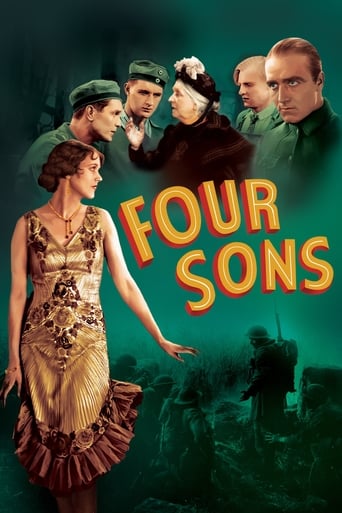
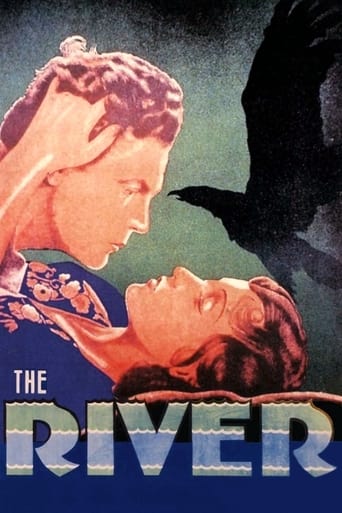
Irish-born character actress who became one of Hollywood's most recognizable maternal figures during the silent and early sound era. Born in Dublin in 1868, she began her film career relatively late in life at around age 50, quickly establishing herself as a reliable performer in motherly and grandmotherly roles. Her breakthrough came with John Ford's sentimental drama Four Sons (1928), where her portrayal of the German mother Anna Bernle earned widespread acclaim and became her signature role. Mann's distinctive appearance, characterized by her warm eyes and gentle demeanor, made her particularly effective in emotional family dramas. She successfully transitioned from silent films to talkies, appearing in The River (1929) among other early sound productions. Despite her relatively brief film career spanning just over a decade, Mann appeared in more than 30 films and worked with prominent directors of the era. She retired from acting in the early 1930s and spent her final years in Los Angeles, where she passed away in 1941 at the age of 72.
The Craft
On Screen
Mann specialized in portraying warm, dignified maternal figures with emotional depth and authenticity. Her acting style was naturalistic and heartfelt, avoiding the exaggerated gestures common in silent era acting. She brought a genuine warmth and vulnerability to her roles, making audiences believe in her maternal concern. Her expressive eyes and gentle demeanor allowed her to convey complex emotions subtly, particularly in scenes of maternal sacrifice and love. Mann's approach was rooted in emotional truth rather than theatricality, making her performances feel authentic and relatable.
Milestones
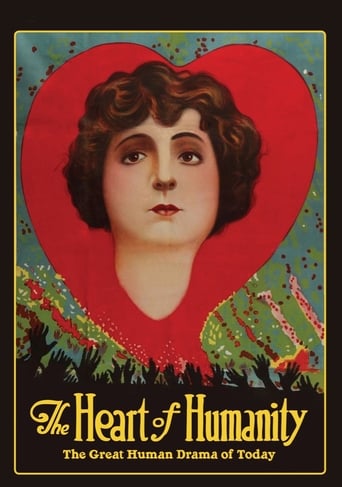
- Appeared in the WWI propaganda film The Heart of Humanity (1918)
- Successfully transitioned from silent films to talkies
- Became one of Hollywood's most recognizable mother figures
- Worked with major studios including Fox Film Corporation
Best Known For
Iconic Roles
Must-See Films
Working Relationships
Worked Often With
Studios
Why They Matter
Impact on Culture
Margaret Mann contributed significantly to the representation of motherhood in early cinema, helping establish the archetype of the self-sacrificing, loving mother figure that would become a staple in Hollywood films. Her performances in the late 1920s helped bridge the gap between the theatrical acting style of early silent films and the more naturalistic approach that would dominate sound cinema. Mann's work in films like Four Sons demonstrated how silent films could convey deep emotional narratives without dialogue, influencing how filmmakers approached family dramas. Her ability to make audiences emotionally invested in maternal characters helped establish the emotional template for countless family films that followed. Mann represented the possibility of finding success in Hollywood at an advanced age, challenging the industry's youth obsession even in its early days.
Lasting Legacy
Margaret Mann's legacy lies in her contribution to the maternal archetype in American cinema, particularly during the transitional period from silent to sound films. Her performance in Four Sons remains a benchmark for portraying maternal love and sacrifice on screen, often studied by film scholars for its emotional authenticity. Though not a major star, Mann's work influenced how Hollywood would portray mother figures for decades to come. Her career demonstrated that character actors could achieve recognition and critical acclaim even without leading roles. Today, film historians recognize Mann as an important contributor to the emotional language of silent cinema and a representative of the character actors who provided the emotional foundation for Hollywood's Golden Age films.
Who They Inspired
Mann influenced subsequent generations of character actresses specializing in maternal roles, showing that supporting performances could carry significant emotional weight in films. Her naturalistic acting style helped pave the way for more subtle performances in sound cinema. Directors who worked with her, particularly John Ford, learned how to effectively cast and direct maternal figures in their films. Her success as an older actress challenged industry norms and created space for other mature actors to find meaningful work in Hollywood. Mann's approach to emotional storytelling through subtle expression influenced how actors would convey feeling in both silent and early sound films.
Off Screen
Margaret Mann was born in Dublin, Ireland, and immigrated to the United States as a young woman. She married early in life and had children before beginning her acting career in her 50s. Her late entry into films was unusual for the era, as most actresses began their careers much younger. Mann was known as a private person who kept her personal life separate from her public persona. She lived in Los Angeles during her film career and remained there after her retirement from acting. She was widowed before her death in 1941.
Education
Educational background not publicly documented
Family
- Unknown (deceased before 1941)
Did You Know?
- Began her film career at age 50, making her a late bloomer by Hollywood standards
- Was discovered by a talent scout while working as a housekeeper
- Four Sons (1928) was remade in 1940 with a different actress in her role
- Spoke with a noticeable Irish accent that was sometimes used for character authenticity
- Never received top billing but was often prominently featured in film advertisements
- Worked with John Wayne in several films before he became a major star
- Was one of the few actresses to successfully transition from silent films to talkies at an advanced age
- Her role in The Heart of Humanity (1918) was part of a wave of WWI propaganda films
- Retired from acting before the full enforcement of the Hays Code
- Was known on set for her professionalism and willingness to help younger actors
In Their Own Words
I never planned to be an actress, but when the opportunity came, I decided it was never too late to try something new.
Playing mothers on screen came naturally to me - I had been one in real life for many years.
The camera doesn't lie, so you must bring your true feelings to every scene.
Frequently Asked Questions
Who was Margaret Mann?
What films is Margaret Mann best known for?
Titles linked here include Four Sons (1928), The Heart of Humanity (1918).
When was Margaret Mann born and when did she die?
Born April 10, 1868; died February 4, 1941.
What awards did Margaret Mann win?
Despite her acclaimed performances, Margaret Mann did not receive any major awards or nominations during her career. This was common for character actors of her era, particularly those in supporting roles.
What was Margaret Mann's acting style?
Mann's acting style was naturalistic and emotionally authentic, characterized by subtle expressions and genuine warmth. She avoided the exaggerated gestures typical of silent era acting, instead conveying emotion through her expressive eyes and dignified presence.
How did Margaret Mann start her acting career?
Mann began her film career unusually late at age 50, reportedly after being discovered by a talent scout. She had previously worked as a housekeeper and was a mother and grandmother before entering the film industry.
Did Margaret Mann work with any famous directors?
Yes, Margaret Mann worked with acclaimed director John Ford on Four Sons (1928) and Hangman's House (1928). Ford's direction helped showcase her talents in portraying maternal figures with emotional depth.