Films
2 films
About Charles Morton
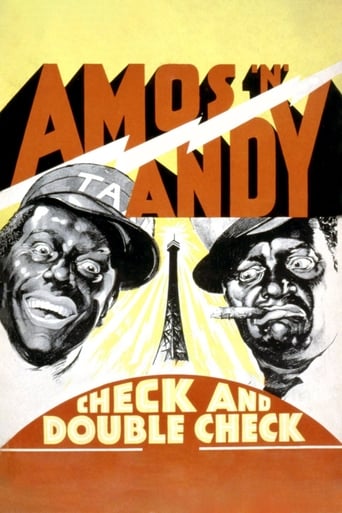
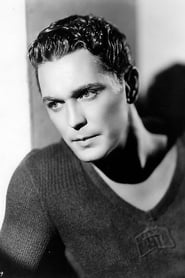
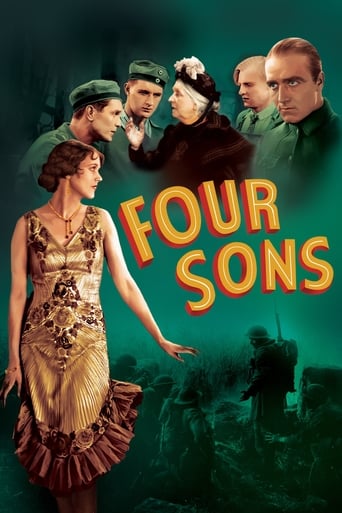
Working character actor of the late silent and early sound eras, best remembered today for appearing in studio features during a brief but notable stretch at the close of the 1920s. He is Charles Morton appeared in films such as Four Sons (1928) and Check and Double Check (1930), which places him squarely in the transitional period when Hollywood was shifting from silent technique to synchronized sound. Like many actors of the era who did not become marquee stars, Morton appears to have been a dependable supporting performer rather than a heavily publicized personality, and surviving public biographical information about him is limited. His screen record suggests steady employment in the studio system, where many actors moved from one production to another in service of ensemble storytelling. Because documentation on this Charles Morton is sparse, it is difficult to reconstruct a full personal history with confidence, but his surviving credits confirm that he was active during a pivotal moment in American film history. His work belongs to the generation of performers whose contributions were essential to the texture and realism of classic cinema, even when their names were not widely promoted. He is not to be confused with other individuals of the same name in later entertainment or unrelated fields.
The Craft
Milestones
- Appeared in the late silent-era drama Four Sons (1928)
- Worked during the early sound transition period in Check and Double Check (1930)
- Built a screen career in the studio era as a supporting player
- Represents the many reliable character actors whose names are preserved in film credits even when personal records are scarce
- Worked in a historically important period when Hollywood was adapting to talking pictures
Best Known For
Must-See Films
Why They Matter
Impact on Culture
Charles Morton’s cultural impact is best understood through the larger historical context of his career rather than through celebrity status. He worked during the final years of silent cinema and the first wave of sound films, a transformative period that depended on large numbers of supporting performers who could adapt quickly to new production methods. Performers like Morton helped populate the world of classic Hollywood with the believable social texture that made studio films feel lived-in and expansive. Even when not individually famous, actors in his position contributed to the continuity of screen acting styles across the silent-to-sound transition.
Lasting Legacy
His lasting legacy lies in the preservation of his credit history within classic film records, which allows historians and databases to map the ensemble talent behind major studio productions. For film scholars, an actor like Morton is valuable precisely because he represents the many lesser-known professionals who sustained Hollywood filmmaking as an industry. His presence in films from 1928 and 1930 places him within. In this sense, his legacy is archival as much as artistic: he is part of the documented workforce of early Hollywood.
Who They Inspired
There is no documented evidence that Charles Morton served as a major stylistic influence on later stars or filmmakers. However, as a working supporting actor in the late silent and early sound years, he participated in performance conventions that shaped the professional norms of classic Hollywood acting. His career reflects the transitional discipline required of actors who had to adjust projection, gesture, and timing to the demands of dialogue-driven filmmaking. That professional adaptability was influential in a broad historical sense, even if it cannot be tied to direct mentorship or a named school of acting.
Off Screen
No reliable public biographical record of Charles Morton’s personal life could be confirmed from the information available here. Details such as marriages, family background, residence, and later-life activities are not securely documented in the surviving mainstream references associated with this name. As a result, any attempt to describe his private life would risk confusion with other people named Charles Morton. For database purposes, he should be treated as a minimally documented classic-era performer whose on-screen work is better preserved than his off-screen biography.
Did You Know?
- He is Charles Morton appeared in both a late silent film and an early sound film, showing that his career crossed a major technological divide in cinema.
- His known filmography is short in surviving mainstream references, which makes him a more obscure figure than many of his contemporaries.
- Four Sons (1928) is a notable late silent-era production, so his credit places him in a historically significant release.
- Check and Double Check (1930) belongs to the early talkie period, helping anchor his career in the transition to sound.
- He should not be confused with other people named Charles Morton in unrelated professions or later entertainment history.
- Like many supporting players of the studio era, he appears in film records even though personal details about his life are not readily available.
- His surviving credit history makes him useful to researchers tracing cast lists and production personnel in classic Hollywood.
Frequently Asked Questions
Who was Charles Morton?
Classic-era film with credits in this catalog. He is Charles Morton appeared in films such as Four Sons (1928) and Check and Double Check (1930), but surviving biographical information about him is limited.
What films is Charles Morton best known for?
Titles linked here include Four Sons (1928), Check and Double Check (1930).
When was Charles Morton born and when did he die?
His birth and death dates are not reliably documented in the information available here. Because of the limited surviving record, it is safest to list those details as unknown unless confirmed by a primary source.
What awards did Charles Morton win?
No awards or major nominations are documented for this Charles Morton in the available classic-cinema references. He appears to have been a working supporting actor rather than a heavily decorated star.
What was Charles Morton's acting style?
No detailed contemporary criticism of his acting style is readily available. Based on his period and supporting-actor status, he likely worked within the restrained, practical performance style common to late silent and early sound studio filmmaking.
What is Charles Morton's legacy in film history?
His legacy is tied to the historical record of classic Hollywood rather than to major stardom. He represents the many dependable performers who helped sustain studio productions during the silent-to-sound transition.
Did Charles Morton work with major studios or famous collaborators?
Specific studio affiliations and recurring collaborators are not securely documented in the available information. However, his credits indicate that he worked within the mainstream studio system of the era.