
Albert Gran
Actor
Born: August 4, 1868 in Oslo, Norway Died: March 16, 1935 Active: 1926-1934
Films
8 films
About Albert Gran
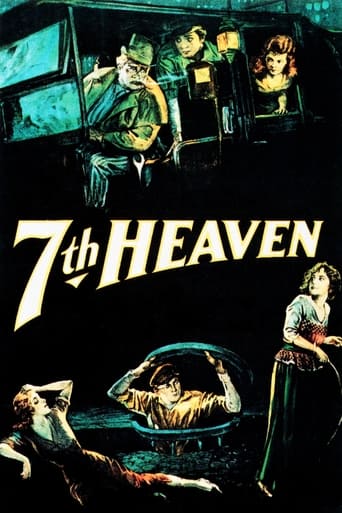
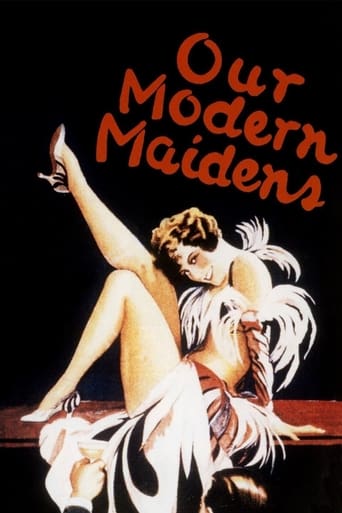
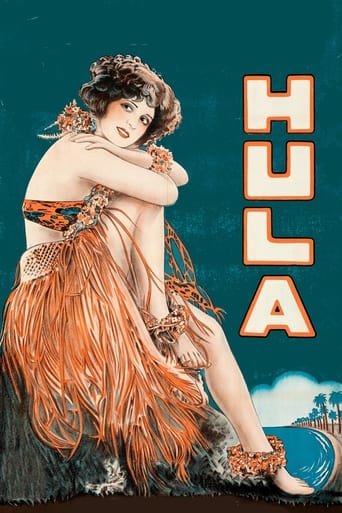
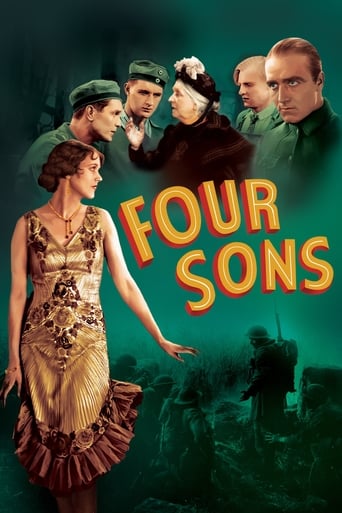
Norwegian-born character actor who found success in Hollywood during the silent film era and early sound period. Born in Norway, he immigrated to the United States and began his acting career on the stage before transitioning to films in the mid-1920s. Gran quickly established himself as a reliable character actor, often playing authority figures, aristocrats, or foreign dignitaries in major productions. His most notable work came during the late 1920s when he appeared in several prestigious films including the Academy Award-winning '7th Heaven' (1927) directed by Frank Borzage and John Ford's 'Four Sons' (1928). He worked alongside many of the era's biggest stars including Janet Gaynor, Charles Farrell, and Clara Bow. Gran's the crucial transition from silent films to talkies, though his film appearances became less frequent after 1929. He continued to work in smaller roles throughout the early 1930s before largely disappearing from the screen by the mid-1930s.
The Craft
On Screen
Gran was known for his dignified, authoritative presence on screen, often portraying characters of stature and respectability. His European background and natural gravitas made him particularly effective in roles as aristocrats, government officials, doctors, and other authority figures. In the silent era, he utilized expressive facial features and deliberate gestures to convey emotion and character depth. His acting style was refined and theatrical, reflecting his stage background, yet he adapted well to the more naturalistic demands of cinema.
Milestones
- Appeared in the Academy Award-winning film '7th Heaven' (1927)
- Worked with director Frank Borzage on multiple occasions
- Successfully transitioned from silent films to early talkies
- Established himself as a reliable character actor in major Hollywood productions
Best Known For
Iconic Roles
Must-See Films
Working Relationships
Worked Often With
Studios
Why They Matter
Impact on Culture
Albert Gran represents the important but often overlooked character actors who formed the backbone of Hollywood's golden age. As a Norwegian immigrant, he contributed to the diversity of talent in early American cinema, bringing authenticity to European roles that might otherwise have been played stereotypically. His work in landmark films like '7th Heaven' helped establish the emotional depth and sophistication that silent cinema could achieve. Gran's ability to transition from stage to screen and from silent to sound films demonstrated the adaptability required of actors during this revolutionary period in film history.
Lasting Legacy
Though not a household name, Albert Gran's legacy lives on through his contributions to some of the most important films of the late silent era. His performances in Academy Award-winning productions have been preserved as part of cinema history. Gran represents the generation of European actors who enriched American film culture during its formative years. His career shows the vital role that character actors play in creating memorable and authentic cinematic worlds, even when they don't receive top billing.
Who They Inspired
Gran's professional approach and versatility influenced younger actors entering the industry during the transition to sound. His success in portraying authority figures with dignity and authenticity helped establish standards for character acting in Hollywood. By maintaining steady work through the challenging transition from silent to sound films, he demonstrated the importance of adaptability and professionalism for actors' longevity in the industry.
Off Screen
Albert Gran was born in Norway and immigrated to the United States as a young man, bringing with him a rich cultural heritage that would later inform his acting roles. He established himself in the American theater scene before making the transition to films in Hollywood. Gran was known as a dedicated professional who took his craft seriously, earning respect from colleagues for his reliability and consistency. He lived in Los Angeles during his film career and remained there until his death in 1935 at the age of 66.
Education
Family
- Information not available
Did You Know?
- Born in Norway, making him one of the Scandinavian actors who found success in early Hollywood
- Appeared in '7th Heaven', which won the first-ever Academy Award for Best Picture
- Worked with two legendary directors - Frank Borzage and John Ford - in the same year (1927-1928)
- His active years covered the crucial transition period from silent films to talkies
- Often typecast in roles requiring an aristocratic or European appearance due to his background
- Began his career on the legitimate stage before transitioning to films
- Made his film debut relatively late in life at around age 58
- His final film appearances were in the early 1930s during the Great Depression
- Died in 1935, just as Hollywood was fully embracing the sound era
- Worked with some of the biggest stars of the era including Clara Bow and Janet Gaynor
In Their Own Words
Information not available
Frequently Asked Questions
Who was Albert Gran?
Norwegian-born character with credits in this catalog. He was known for playing authority figures and aristocrats in major productions like '7th Heaven' and 'Four Sons' during the late 1920s.
What films is Albert Gran best known for?
Titles linked here include 7th Heaven (1927), Four Sons (1928).
When was Albert Gran born and when did he die?
Born August 4, 1868; died March 16, 1935.
What awards did Albert Gran win?
Albert Gran did not receive any major personal awards or nominations during his career. However, he appeared in '7th Heaven' (1927), which won the first Academy Award for Best Picture at the inaugural Oscars ceremony.
What was Albert Gran's acting style?
Gran was known for his dignified and authoritative acting style, often portraying characters of stature and respectability. He brought a theatrical refinement to his roles while adapting to the naturalistic demands of cinema, utilizing expressive features and deliberate gestures in the silent era.
Did Albert Gran successfully transition to sound films?
Yes, Albert Gran did transition to sound films, though his appearances became less frequent after 1929. He continued working in smaller roles throughout the early 1930s, demonstrating the adaptability required of actors during this revolutionary period in cinema.
What directors did Albert Gran frequently work with?
Gran worked with several prominent directors of the era, most notably Frank Borzage on '7th Heaven' and John Ford on 'Four Sons'. He also worked for major studios including Fox Film Corporation, Paramount Pictures, and Metro-Goldwyn-Mayer.