


Our Modern Maidens
"No escape from young"
Keys: Space play/pause · ←/→ 10s · F fullscreen · M mute · </> speed
About this film
Down by Jazz Age life, young, vivacious Billie uses her charms on influential businessman Glenn Abbott in hopes of getting her secret fiancé Gil a diplomatic appointment. Meanwhile, Gil's affections meander to beautiful ingenue Kentucky, Billie's best friend.
Cast & crew
More films like this
More Drama films
View all →







More from Jack Conway
View all →
More about this film
About the production
Release dateMarch 30, 1929
Box officeModerately successful, helped establish Joan Crawford as a bankable star
ProductionMetro-Goldwyn-Mayer (MGM)
Filmed inMGM Studios, Culver City, California
This was one of MGM's early sound productions, featuring a synchronized musical score and some sound effects, though it was primarily a silent film with talking sequences. The film was rushed into production to capitalize on Joan Crawford's growing popularity after her breakthrough in 'Our Dancing Daughters' (1928). The production utilized the new Movietone sound system, and several scenes had to be reshot when sound recording technology proved challenging on the set.
Themes
Romantic entanglementsSocial ambitionFemale independenceFriendship and betrayalThe price of manipulation
Themes & topics
love trianglesocial climbingbest friend rivalrydiplomatic appointmentmanipulationhigh societysecret engagementparty scenesromantic comedycoming of age
Historical background
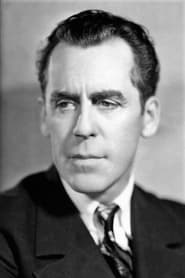
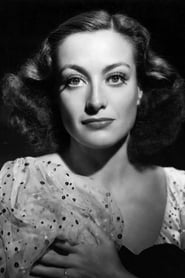
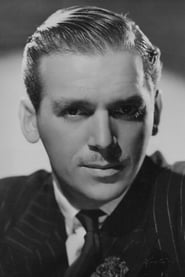
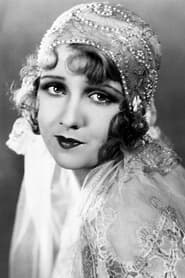
Released in 1929, Our Modern Maidens arrived during the Jazz Age, when audiences were hungry for new screen experiences. While the film has no audible dialog, it was released with a synchronized musical score with sound effects using both the sound-on-disc and sound-on-film process. The film stars Joan Crawford in her last film role without dialogue, the film also stars Rod La Rocque, Douglas Fairbanks Jr., and Anita Page.
Why this film matters
Our Modern Maidens remains a reference point for scholars tracing how Jazz Age filmmaking handled plot, performance, and audience expectation.
Making of
The production of 'Our Modern Maidens' occurred during a tumultuous period in Hollywood as studios scrambled to adapt to sound technology. Director Jack Conway had to navigate the challenges of filming with cumbersome sound equipment while maintaining the visual fluidity of silent cinema. The cast, particularly Joan Crawford, had to undergo voice tests to ensure their voices were suitable for sound pictures. Crawford's distinctive midwestern accent, which would later become one of her trademarks, was initially considered a concern by studio executives. The film's famous party scenes required extensive choreography and were filmed over several days, with the cast having to perform multiple takes due to sound recording difficulties. The romantic chemistry between Crawford and Fairbanks Jr. was so genuine that studio executives encouraged their off-screen relationship, believing it would enhance their on-screen appeal and generate publicity for the film.
What critics said
Modern silent- and classic-film writers often revisit Our Modern Maidens for its place in the Jazz Age lineup rather than for blockbuster status.
Did you know?
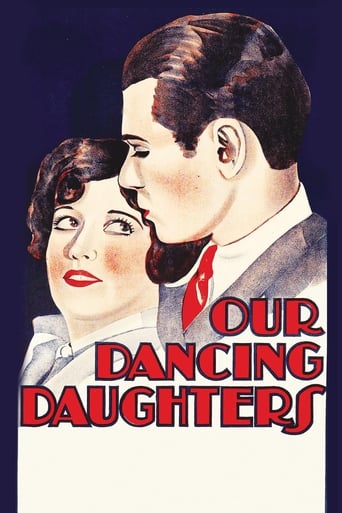
- This film was a quasi-sequel to 'Our Dancing Daughters' (1928), though it featured different characters, capitalizing on the success of Joan Crawford's previous hit.
- Joan Crawford and Douglas Fairbanks Jr. began their real-life romance during the filming of this movie, marrying later in 1929.
- The film was one of the first to show Joan Crawford's signature style of dancing, which would become her trademark in early films.
- Despite being made in 1929, the film contains very little dialogue, as it was produced during the transition from silent to sound films.
- The character names were deliberately modern and unconventional for the time: Billie, Gil, and Kentucky.
- MGM marketed the film heavily as a follow-up to 'Our Dancing Daughters,' even though the stories were unrelated.
- The film's title was part of a series of MGM films with 'Our' in the title, including 'Our Dancing Daughters' and later 'Our Blushing Brides' (1930).
- Joan Crawford's costumes were designed by Adrian, who would become her favorite designer throughout her MGM career.
- The film's success led to Joan Crawford receiving a substantial salary increase for her next picture.
- Kentucky, played by Anita Page, was named after the state, which was an unusual naming choice for a character in 1929.
Awards & recognition
- No major awards were won, as the film industry was transitioning and award ceremonies were not yet established for sound films
Visual style
The cinematography, handled by George J. Folsey, reflected the transitional nature of 1929 filmmaking, blending the visual sophistication of late silent cinema with the technical requirements of early sound. The film featured the elegant, high-key lighting typical of MGM productions, with careful attention to the glamorous presentation of its stars. The camera work was more static than in silent films due to the limitations of early sound recording equipment, but Folsey managed to create visually interesting compositions within these constraints. The party sequences utilized multiple lighting setups to create atmosphere, while intimate scenes employed soft focus lighting to enhance the romantic elements. The film's visual style emphasized Art Deco influences in its set designs and framing, reflecting the modern aesthetic of the late 1920s.
Innovations
Our Modern Maidens was notable for its successful integration of sound elements while maintaining the visual sophistication of silent cinema. The film utilized the Movietone sound-on-film system, which represented a significant technical advancement over earlier sound-on-disc methods. The production team developed innovative techniques for recording dialogue while preserving camera mobility, though some scenes still required static positioning due to equipment limitations. The film's sound mixing was particularly advanced for its time, successfully balancing dialogue, music, and sound effects. The technical crew also pioneered methods for reducing microphone noise and echo, challenges that plagued many early sound productions. The film's successful blend of silent and sound techniques demonstrated how Hollywood could gradually transition to talking pictures without sacrificing visual artistry.
Music
The film featured a synchronized musical score composed by William Axt, one of MGM's house composers during the silent and early sound era. The score incorporated popular songs of the period and original compositions that underscored the romantic and dramatic elements of the story. As a part-talkie, the film included synchronized sound effects and a limited amount of dialogue, primarily in key dramatic scenes. The musical numbers during the party sequences were particularly important, as they helped establish the film's sophisticated atmosphere. The soundtrack utilized the Movietone system, which was one of the competing sound technologies of the period. The score was performed by the MGM studio orchestra and reflected the lush, romantic style that would become characteristic of MGM's musical productions throughout the 1930s.
Famous quotes
Billie: 'I'm not going to let anything stand in the way of what I want!'
Gil: 'Sometimes the thing you think you want most isn't what you need at all.'
Glenn: 'In this world, you have to be smart to get ahead, and even smarter to stay there.'
Kentucky: 'Friendship is precious, but love is something else entirely.'
Memorable scenes
- The elaborate party scene where Billie first attempts to charm Glenn Abbott, featuring Joan Crawford's energetic dancing and sophisticated social maneuvering
- The emotional confrontation scene between Billie and Kentucky when the truth about Gil's feelings is revealed
- The final diplomatic appointment scene where all four characters face the consequences of their actions
- The intimate balcony scene where Billie and Gil discuss their future plans, showcasing the chemistry between Crawford and Fairbanks Jr.
What audiences thought
Audiences responded enthusiastically to 'Our Modern Maidens,' particularly Joan Crawford's growing fan base. The film was a commercial success, performing well at the box office and helping to establish Crawford as one of MGM's most valuable young stars. Moviegoers were drawn to the film's glamorous depiction of high society life, its fashionable costumes, and the romantic complications that kept them engaged. The chemistry between the leads, especially Crawford and Fairbanks Jr., resonated with audiences, many of whom followed their real-life romance with great interest. The film's success proved that Crawford could carry a film without the support of established male stars, paving the way for her future leading roles. Contemporary audience letters and fan magazines indicate that viewers particularly enjoyed the party scenes and Crawford's dancing sequences, which became talking points among young filmgoers.
Film connections
Influenced by
- Our Dancing Daughters (1928)
- The Jazz Singer (1927)
- Broadway Melody (1929)
- The Plastic Age (1925)
This film influenced
- Our Blushing Brides (1930)
- Paid (1930)
- Dance, Fools, Dance (1931)
- Laughing Sinners (1931)
Film restoration
The film survives in complete form and has been preserved by MGM/ Warner Bros. archives. A 35mm print exists in the Library of Congress collection. The film has been digitally restored and is available for archival viewing. Some early sound elements show signs of deterioration, but the visual quality remains good for a film of its age. The restoration work has preserved both the visual and audio elements, making it accessible for modern audiences and film historians.
Where to watch
- The film is occasionally shown on Turner Classic Movies (TCM)
- Available through the Warner Archive Collection on DVD
- Can be accessed through some streaming services specializing in classic films
- Available for viewing at film archives and special cinema screenings
- Some public domain versions may be found on internet archive sites, though quality varies