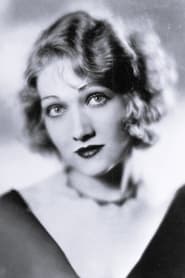
Edwina Booth
Actor
Born: December 13, 1904 in Oak Park, Illinois, USA Died: May 18, 1991 Active: 1929-1931 Birth Name: Josephine Constance Woodruff
Films
1 film
About Edwina Booth
Edwina Booth, born Josephine Constance Woodruff, was an American actress whose brief but dramatic career in late 1920s and early 1930s Hollywood has become. Discovered by MGM while working as a model, she was given the glamorous stage name Edwina Booth and quickly cast in major productions. Her career peaked with the lead role in 'Trader Horn' (1931), one of the first Hollywood films shot on location in Africa. The grueling seven-month shoot in harsh African conditions left her with multiple tropical diseases and severe health problems that effectively ended her film career. In a landmark case, she sued MGM for $1 million, claiming the studio had exposed her to dangerous conditions without proper protection. After leaving Hollywood, she largely withdrew from public life, working various jobs including as a telephone operator. Her story remains a cautionary tale about the human cost of early Hollywood's ambition and the exploitation of actors during the studio system era.
The Craft
On Screen
Dramatic actress with a screen presence suited for exotic adventure films, though her brief career limited the development of a distinctive style. She appeared to embody the glamorous but vulnerable heroine archetype common in early talkies.
Milestones
- Discovered by MGM in 1929
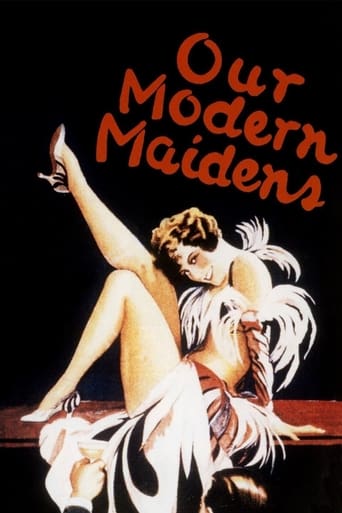
- Starred in 'Our Modern Maidens' (1929)
- Lead role in 'Trader Horn' (1931)
- Filed landmark lawsuit against MGM
- One of the first Hollywood stars to film on location in Africa
Best Known For
Iconic Roles
Must-See Films
Accolades
Special Recognition
- Remembered in film history as one of Hollywood's tragic early stars
- Subject of numerous documentaries about early Hollywood dangers
Working Relationships
Worked Often With
Studios
Why They Matter
Impact on Culture
Edwina Booth's story had a significant impact on Hollywood labor practices and the treatment of actors. Her lawsuit against MGM was one of the first major cases where an actor successfully challenged a studio for unsafe working conditions. The case helped pave the way for better protections for actors working on location and contributed to the eventual breakdown of the studio system's absolute control over performers. Her experience in Africa highlighted the dangers of location shooting and led to increased safety measures in future film productions.
Lasting Legacy
Edwina Booth's legacy is that of Hollywood's cautionary tale - a star who burned brightly but briefly, whose suffering led to positive changes in the industry. Her story is frequently cited in film history books and documentaries about the dark side of Hollywood's Golden Age. The 'Trader Horn' production remains a landmark film not just for its technical achievements as one of the first location shoots, but also for what it cost its leading lady. Modern film historians view her as an important figure in the evolution of actor's rights and studio responsibility.
Who They Inspired
While her career was too brief to directly influence other actors, Booth's legal victory against MGM influenced the entire industry by establishing precedents for actor safety and studio liability. Her case was referenced in subsequent disputes between performers and studios and contributed to the gradual empowerment of actors through unionization and improved contract terms. Later actors who worked in difficult conditions often cited her case as an early example of standing up to studio power.
Off Screen
Edwina Booth led a relatively private life after her Hollywood career ended. She never married and had no children. After her film career, she worked various jobs including as a telephone operator and later as a real estate agent. She spent her later years in relative obscurity in California, occasionally giving interviews about her experiences in Africa. Her health problems from the 'Trader Horn' shoot affected her for the rest of her life.
Education
Limited information available, likely attended local schools in Oak Park, Illinois before moving to Hollywood
Did You Know?
- Her stage name 'Edwina Booth' was chosen by MGM as a tribute to the famous Booth family of actors, including Edwin Booth and John Wilkes Booth
- The 'Trader Horn' shoot lasted seven months and was the first MGM film shot entirely on location outside the United States
- During the African shoot, she contracted malaria, dysentery, and other tropical diseases that plagued her for life
- Her lawsuit against MGM was settled out of court for an undisclosed sum, though reports suggested it was substantial
- After leaving Hollywood, she worked as a telephone operator to support herself
- The original director of 'Trader Horn' was replaced during production due to the difficult conditions
- Many of the African crew members and animals used in the film died during the production
- She was one of the first actresses to successfully sue a major studio for damages
- Her health problems from the film shoot prevented her from having children
- She rarely gave interviews about her Hollywood experiences, preferring privacy
In Their Own Words
I was young and naive when I went to Africa. I thought it would be an adventure, but it nearly cost me my life.
Hollywood promised me stardom but delivered suffering. The glamour was just a facade for exploitation.
I don't regret standing up to MGM, even though it ended my career. Someone had to.
Frequently Asked Questions
Who was Edwina Booth?
American actress active in late 1920s and early 1930s Hollywood, best known for starring in 'Trader Horn' (1931). Her career was cut short by health problems contracted during the grueling African location shoot, and she later successfully sued MGM for damages, becoming an early advocate for actor safety in Hollywood.
What films is Edwina Booth best known for?
Titles linked here include Trader Horn (1931), Our Modern Maidens (1929).
When was Edwina Booth born and when did she die?
Born December 13, 1904; died May 18, 1991.
What awards did Edwina Booth win?
Edwina Booth did not receive any major acting awards during her brief career. However, she achieved a different kind of recognition by successfully suing MGM for damages related to the dangerous filming conditions on 'Trader Horn,' setting an important legal precedent for actor rights in Hollywood.
What was Edwina Booth's acting style?
Due to her extremely brief career, Edwina Booth's acting style was not fully developed. Based on her available work, she appeared as a dramatic actress suited for exotic adventure films, embodying the glamorous but vulnerable heroine archetype common in early talkies. Her performance in 'Trader Horn' suggested promise for a career that was tragically cut short.
Why did Edwina Booth's career end so quickly?
Edwina Booth's career ended abruptly due to severe health problems contracted during the seven-month 'Trader Horn' shoot in Africa. She contracted multiple tropical diseases including malaria and dysentery, which left her physically unable to continue acting. The grueling conditions and subsequent health issues effectively ended what might have been a promising career.
What was the significance of Edwina Booth's lawsuit against MGM?
Edwina Booth's lawsuit against MGM was groundbreaking as one of the first successful challenges by an actor against the powerful studio system. Her case exposed the dangerous working conditions actors faced and helped establish precedents for studio responsibility regarding actor safety. The lawsuit contributed to gradual improvements in working conditions and the eventual breakdown of absolute studio control over performers.