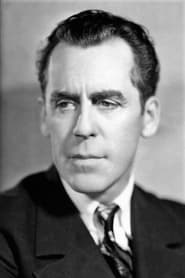
Jack Conway
Director
Born: July 17, 1887 in Graceville, Minnesota, USA Died: October 11, 1952 Active: 1912-1948 Birth Name: Hugh Ryan Conway
Films
3 films
About Jack Conway
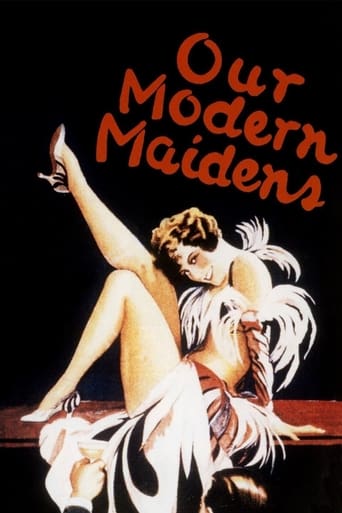
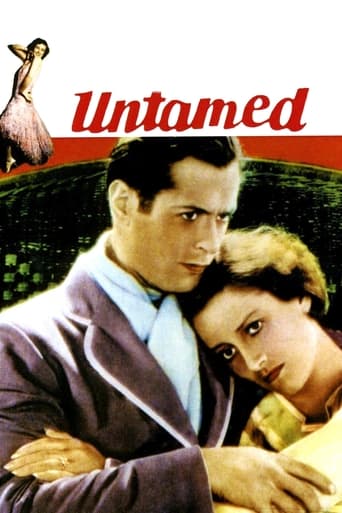
Prolific American film director: the transition from silent films to the Golden Age of Hollywood. Beginning as an actor in the 1910s, he appeared in numerous Western shorts before transitioning to directing in the early 1920s. Conway established himself as a reliable studio director at MGM, where he helmed over 50 films between 1925 and 1948, showcasing remarkable versatility across genres including dramas, comedies, and musicals. He was particularly adept at handling star vehicles for MGM's top talent, directing Joan Crawford in multiple films including the early talkies 'Our Modern Maidens' (1929) and 'Untamed' (1929). Conway's directorial style emphasized efficient storytelling and strong performances, making him a favorite among studio executives for delivering commercially successful films on time and within budget. His career peaked in the mid-1930s with acclaimed films like 'A Tale of Two Cities' (1935) and 'Libeled Lady' (1936). Despite his prolific output and commercial success, Conway remains somewhat underrated in film history, overshadowed by more auteurist directors of his era.
The Craft
Behind the Camera
Conway was known for his efficient, no-nonsense approach to filmmaking, prioritizing clear storytelling and strong performances over artistic flourishes. He excelled at managing large productions and working with star actors, creating commercially successful films that appealed to mainstream audiences. His direction was characterized by smooth pacing, professional polish, and the ability to handle multiple genres effectively, from dramas to comedies to musicals.
Milestones
- Transitioned from successful silent film actor to prominent director
- Directed over 50 films for MGM during the studio's golden era
- Helmed Joan Crawford in early talkies including 'Our Modern Maidens' (1929)
- Directed the acclaimed adaptation 'A Tale of Two Cities' (1935)
- Created the hit screwball comedy 'Libeled Lady' (1936)
- Worked with major stars including Clark Gable, Myrna Loy, and Spencer Tracy
- Completed his final film, 'The Merry Widow' (1952), just before his death
Best Known For
Iconic Roles
Must-See Films
Accolades
Nominated
- Academy Award nomination for Best Director for 'Viva Villa!' (1934)
Special Recognition
- Hollywood Walk of Fame star at 1500 Vine Street for his contributions to motion pictures
Working Relationships
Worked Often With
Studios
Why They Matter
Impact on Culture
Jack Conway played a significant role in shaping Hollywood's studio system during its golden era, representing the professional, efficient director who could deliver consistent commercial success. His work in the transition from silent to sound films helped establish conventions for early talkies, particularly in how to stage and film dialogue scenes. Conway's films often reflected and reinforced American values of his time, contributing to the cultural mythology of Hollywood during the 1930s and 1940s. His collaborations with major stars helped define their screen personas and contributed to the star system that dominated Hollywood for decades.
Lasting Legacy
Jack Conway's legacy is that of the quintessential studio director - reliable, versatile, and capable of delivering quality entertainment across multiple genres. While not as celebrated as some of his contemporaries like Frank Capra or John Ford, Conway's filmography represents the backbone of Hollywood's Golden Age output. His ability to work efficiently with stars and create commercially successful films made him invaluable to MGM and contributed to the studio's dominance during the 1930s. Today, film scholars recognize Conway as an important figure who embodied the studio system's strengths and limitations, representing professional craftsmanship over personal authorship.
Who They Inspired
Conway influenced subsequent generations of directors through his emphasis on efficiency, professionalism, and star management. His work on early talkies provided a template for handling dialogue and sound in narrative cinema. Many directors who worked as assistants on his films, including George Sidney and Vincente Minnelli, went on to major careers themselves, carrying forward lessons learned from Conway's approach to studio filmmaking. His success in multiple genres demonstrated the viability of the versatile studio director model that would dominate Hollywood for decades.
Off Screen
Jack Conway was married twice during his lifetime. His first marriage was to actress Viola Dana in 1914, though they divorced in 1918. He later married Virginia Bushman, daughter of actress Dorothy Dalton, in 1926, and they remained married until his death in 1952. The couple had two children, Patricia and Hugh, who both worked in the entertainment industry. Conway was known as a family man who maintained a relatively private personal life despite his Hollywood success.
Education
Limited formal education; learned filmmaking through practical experience in the early film industry
Family
- Viola Dana (1914-1918)
- Virginia Bushman (1926-1952)
Did You Know?
- Began his film career as an actor in 1912, appearing in over 100 films before transitioning to directing
- His real name was Hugh Ryan Conway, but he used 'Jack' professionally
- Was one of the few directors who successfully made the transition from silent films to talkies
- Directed Joan Crawford in five films, helping establish her as a major star
- Was known for his ability to complete films on time and under budget, making him a studio favorite
- His final film, 'The Merry Widow' (1952), was completed just weeks before his death from a heart attack
- Was often described as 'the director who never made a bad film' by studio executives
- Served in the U.S. Army Air Forces during World War II, making training films
- Was a founding member of the Directors Guild of America
- His son Hugh Conway became a successful film producer, continuing the family's film legacy
In Their Own Words
I'm not an artist, I'm a craftsman. I make pictures that people want to see.
The secret to directing is knowing when to listen to your actors and when to tell them what to do.
In Hollywood, you're only as good as your last picture. That's why I always try to make a good one.
Stars don't make pictures, pictures make stars. My job is to make both work together.
Frequently Asked Questions
Who was Jack Conway?
Prolific American on YTB.my. He was particularly skilled at handling star vehicles and working across multiple genres, from dramas to comedies to musicals.
What films is Jack Conway best known for?
Titles linked here include Our Modern Maidens (1929), Untamed (1929).
When was Jack Conway born and when did he die?
Born July 17, 1887; died October 11, 1952.
What awards did Jack Conway win?
Jack Conway received an Academy Award nomination for Best Director for 'Viva Villa!' (1934) and was honored with a star on the Hollywood Walk of Fame. While he didn't win major competitive awards, he was highly valued by studios for his consistent commercial success.
What was Jack Conway's directing style?
Conway was known for his efficient, professional approach to filmmaking, emphasizing clear storytelling and strong performances. He excelled at managing large productions and working with stars, creating polished, commercially successful films that appealed to mainstream audiences.
How did Jack Conway influence Hollywood?
Conway exemplified the successful studio director model, showing how to work efficiently within the studio system while maintaining quality. His work in early talkies helped establish conventions for sound cinema, and his mentorship of assistant directors influenced subsequent generations of filmmakers.