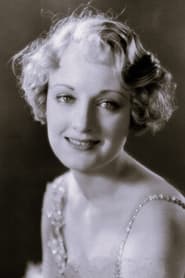
Josephine Dunn
Actor
Born: April 19, 1906 in New York City, New York, USA Died: null Active: 1926-1930
Films
7 films


About Josephine Dunn
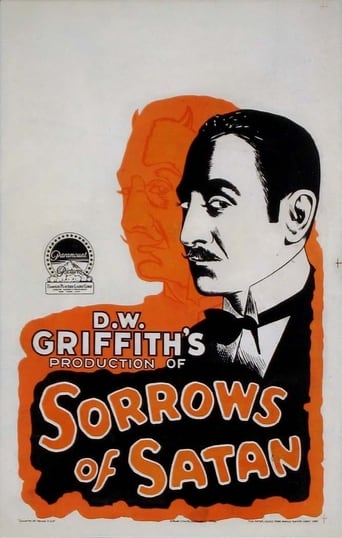
American film actress of the late silent era and the early years of talking pictures, best remembered for appearing in a number of popular studio comedies and prestige productions during the second half of the 1920s. She worked steadily in Hollywood from the mid-1920s through the early sound transition, building a screen persona that fit the brisk, modern, flapper-era type of young woman so common in the period. Dunn appeared in such films as It's the Old Army Game (1926), The Sorrows of Satan (1926), With Love and Hisses (1927), Get Your Man (1927), and The Singing Fool (1928), which places her in the orbit of some of the era's most visible stars and major studio releases. Her career reflects the opportunities and limitations faced by many actresses of the silent-to-sound transition: a strong run of parts in the late 1920s followed by a comparatively brief filmography once the industry changed rapidly around her. Like many actresses of her generation, she is remembered less for a single defining star vehicle than for her consistent presence in popular films of the period. Surviving records identify her as a working actress of the studio era rather than a major headliner, but her credits make her a useful figure in understanding the texture of late silent Hollywood. She remains of interest to classic-film historians because her career intersects with the transition from silent films to early sound cinema, consequential shifts in film history.
The Craft
On Screen
Josephine Dunn's screen work suggests a light, modern, and appealing style well suited to late silent comedy and romantic material. She appears to have been cast in youthful, socially polished, and conventionally attractive roles rather than broad character parts, which was common for actresses building careers in the studio era. Because relatively few detailed contemporary performance assessments survive, her acting style is best understood through her casting pattern: expressive enough for silent film, adaptable enough to remain employed as sound arrived, and aligned with the quick-paced, polished rhythms of 1920s Hollywood entertainment.
Milestones
- Appeared in the Harold Lloyd comedy It's the Old Army Game (1926), a widely seen late-silent-era release
- Worked in The Sorrows of Satan (1926), a notable production from the period's studio system
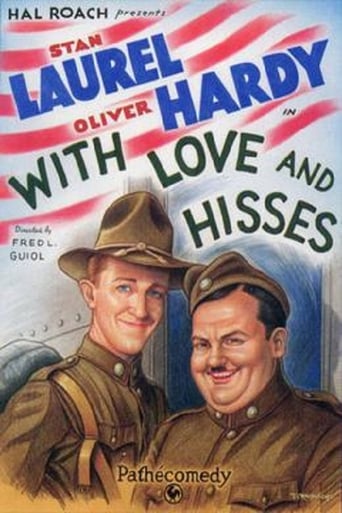
- Acted in With Love and Hisses (1927), a comedy vehicle associated with the flapper-era screen image
- Appeared in Get Your Man (1927), continuing her presence in studio-era romantic comedy
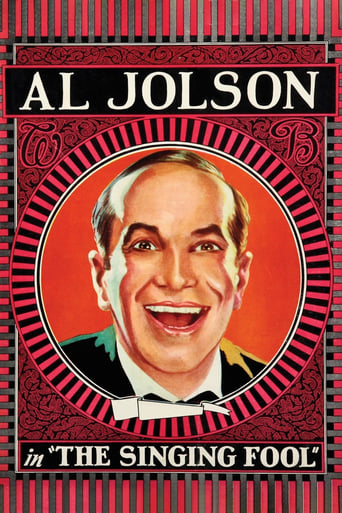
- Was part of The Singing Fool (1928), one of the landmark early sound-era box-office successes
- Maintained a screen career during the volatile transition from silent films to talkies
- Represents the working supporting actress class of late-1920s Hollywood, visible in multiple studio releases
Best Known For
Iconic Roles
Must-See Films
Working Relationships
Worked Often With
Studios
Why They Matter
Impact on Culture
Josephine Dunn's cultural significance lies less in superstardom than in what her career reveals about Hollywood during a period of rapid industrial and artistic change. She was part of the broad class of studio-era actresses whose faces were familiar to contemporary audiences even when their names were not permanently fixed in popular memory. Her filmography helps document the kinds of roles available to young women in late silent cinema: stylish, modern, and often tied to romantic comedy or melodrama. As such, she contributes to the historical record of women's screen labor in the 1920s and the way actresses were positioned within the star system.
Lasting Legacy
Dunn's legacy is that of a reliable and visible performer from a pivotal era in American film history. Though she was not among the handful of silent-era icons whose names remain universally recognized, she remains part of the indispensable supporting fabric of classic Hollywood. Her appearances in recognizable films ensure her continued presence in cast lists, archival databases, and the study of the silent-to-sound transition. For historians, she is a representative figure: an actress whose career was shaped by the opportunities of the studio system and by the rapid technological upheaval that transformed the industry.
Who They Inspired
Her influence is indirect rather than traceable through named protégés or a documented teaching legacy. She helped embody a type of youthful, socially current femininity that was central to late-1920s screen culture, and that screen image fed into the broader evolution of Hollywood's modern woman archetype. In that sense, her work belongs to the ensemble of performers who normalized the look and feel of the transitional era, helping audiences adapt from silent performance conventions to early talking-picture realism.
Off Screen
Available records identify Josephine Dunn primarily through her screen career, and comparatively little detailed public information survives about her private life in standard reference sources. She was active during an era when many actresses' off-screen biographies were lightly documented unless they became major stars, so information about her family background, marriages, or later life is limited. She is known more securely as a New York-born performer who entered Hollywood in the late silent period than as a celebrity figure extensively covered by the press. Because of the scarcity of reliable biographical reporting, any broader claims about her personal life should be treated cautiously unless supported by archival sources.
Education
Not publicly documented in standard classic-cinema reference sources.
Did You Know?
- She was active right at the seam between silent cinema and early sound film, which makes her career useful for studying the transition period.
- Her known filmography is concentrated in a short span, typical of many working actresses of the studio era whose careers were not heavily documented.
- She appeared in The Singing Fool (1928),.
- Her credits place her in both comedy and drama, suggesting she was cast as a versatile young supporting player.
- She is identified in film reference sources as being born in New York City.
- Because she never became a major headline star, much of her surviving record comes from cast lists and studio-era filmographies rather than extensive interviews or memoirs.
- Her career illustrates how many actresses could work regularly in Hollywood without becoming enduring household names.
- She is sometimes encountered today through classic-film databases rather than through widely circulated biographies.
Frequently Asked Questions
Who was Josephine Dunn?
American actress of the late silent era and early sound period. She appeared in a number of studio films in the 1920s, including comedies and prestige productions, and is remembered as a representative performer of transitional Hollywood.
What films is Josephine Dunn best known for?
Titles linked here include It's the Old Army Game (1926), The Sorrows of Satan (1926).
When was Josephine Dunn born and when did she die?
Born April 19, 1906; died null.
What awards did Josephine Dunn win?
No major awards or nominations are prominently documented for Josephine Dunn in surviving standard classic-film references. Like many working actresses of the era, her recognition appears to have come through screen employment rather than formal awards.
What was Josephine Dunn's acting style?
Her acting style appears to have been light, polished, and adaptable, fitting the youthful supporting roles common in late silent comedies and melodramas. She was likely valued for screen presence, expressiveness, and ease in studio-produced ensemble films during the transition to sound.
What is Josephine Dunn's legacy in film history?
Her legacy lies in her place within the working ranks of late 1920s Hollywood, especially during the shift from silent films to talkies. She represents the many actresses whose contributions helped define the look and feel of studio-era cinema even if they did not become enduring stars.