It's the Old Army Game
"A druggist’s night of endless interruptions"
Keys: Space play/pause · ←/→ 10s · F fullscreen · M mute · </> speed
About this film
Druggist Elmer Prettywillie is sleeping. A woman rings the night bell only to buy a two-cent stamp. Then garbage collectors waken him. Next it's firemen on a false alarm. And then a real fire.
Cast & crew
More films like this
More Comedy films
View all →







More from A. Edward Sutherland
View all →
More about this film
About the production
Release dateSeptember 13, 1926
ProductionParamount Pictures
Filmed inParamount Studios, Hollywood, California
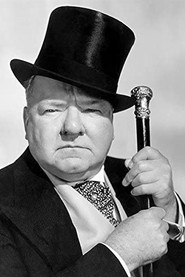
This film was adapted from W.C. Fields' popular vaudeville sketch of the same name. The production team constructed an incredibly detailed pharmacy set with authentic 1920s medicinal products. Fields insisted on performing many of his own stunts and physical comedy sequences. The fire effects were created using innovative techniques for the time, combining practical effects with camera tricks. The film was shot during the hot summer of 1926, making the heavy period costumes uncomfortable for the cast.
Themes
Frustration of modern urban lifeStruggle for peace in a noisy worldComedy of escalating absurdityPatience and its limitsSmall business as community center
Themes & topics
Comedysilent filmpharmacysleep deprivationurban lifevaudeville adaptationW.C. Fieldspractical jokesfirenight disturbancesexasperationslapsticksituational comedy1920sdrugstorefalse alarm
Historical background
It's the Old Army Game appeared in 1926, when the late silent period and the transition to sound shaped how movies were financed, distributed, and discussed. Audiences of the day encountered the work amid shifting tastes in acting, pacing, and spectacle. Its focus on druggist elmer prettywillie is sleeping mirrors themes circulating in popular culture of that moment.
Why this film matters
It's the Old Army Game (1926) belongs to the wider archive of world cinema, documenting druggist elmer prettywillie is sleeping. a woman rings. Archivists and historians value such titles for what they reveal about craft, genre, and audience expectations. Restorations and festival screenings keep the work visible to viewers far beyond its first run.
Making of
The making of 'It's the Old Army Game' represented a crucial transition for W.C. Fields from vaudeville stardom to film celebrity. Director A. Edward Sutherland worked closely with Fields to adapt his stage material to the cinematic medium, carefully choreographing physical comedy sequences to ensure they would read effectively on screen without sound. The production team faced challenges in timing the visual gags to maximize their impact, particularly in the escalating disturbance sequences. Fields, accustomed to immediate audience feedback from live performances, had to adjust his timing for the camera. The pharmacy set became a character in itself, designed with meticulous detail to create an authentic backdrop for Fields' comedy of frustration. The film's success helped convince Fields that film could be a viable medium for his unique brand of humor, paving the way for his later sound comedies.
What critics said
Press coverage from 1926 is fragmentary for many titles of this vintage; surviving notices for It's the Old Army Game tend to stress novelty, star power, or topical appeal. Later writing places the picture within its national and generic context, weighing both period conventions and moments that still land for modern viewers. Streaming and disc releases have revived discussion among classic-film audiences.
Did you know?
- The title 'It's the Old Army Game' was a popular 1920s phrase referring to deception or trickery, originating from military slang.
- This was one of W.C. Fields' first feature films, helping establish his signature screen persona of the exasperated everyman.
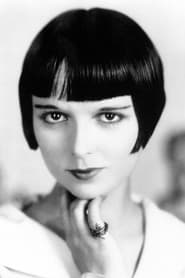
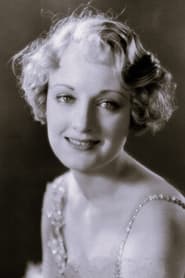
- Louise Brooks, though not yet a major star, brought youthful energy that complemented Fields' established comedy style.
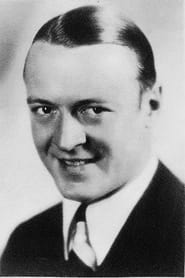
- Director A. Edward Sutherland had previously worked as an actor with Charlie Chaplin before becoming a director.
- The film was based on a vaudeville sketch Fields had been performing for years, adapting his stage material for cinema.
- The pharmacy set was so authentic that it included actual medicinal products from the 1920s era.
- Fields was initially hesitant about film, believing the camera couldn't capture his comedic timing effectively.
- The fire sequence used special effects that were considered innovative for silent film production in 1926.
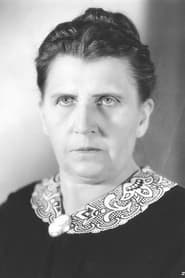
- Blanche Ring, a popular Broadway star, made one of her earliest film appearances in this production.
- The movie was shot in sequence to help Fields maintain his comedic rhythm and character development.
Visual style
The cinematography of 'It's the Old Army Game' exemplifies mid-1920s comedy filmmaking with clear, well-lit compositions designed to showcase physical comedy. The camera work employs straightforward framing that emphasizes Fields' facial expressions and reaction timing, crucial elements of his comedy. The pharmacy set is filmed from multiple angles to create spatial awareness and emphasize the growing chaos as more characters enter the scene. Night sequences utilize dramatic lighting contrasts to highlight the absurdity of late-night disturbances. The fire sequence demonstrates sophisticated special photography techniques for the period, creating realistic effects while maintaining the comedic tone. The cinematography effectively supports the film's comedic rhythm through careful editing that enhances the timing of gags and Fields' reactions, demonstrating how visual storytelling could convey humor without dialogue.
Innovations
The film employed several technical elements notable for 1926, particularly in its fire sequence which featured innovative special effects combining practical effects with camera tricks. The production used multiple camera angles for the pharmacy set, somewhat advanced for a comedy of this period, allowing for more dynamic visual storytelling. The sound effects, though not recorded, were carefully planned for live performance during screenings, with specific cues for doorbells, fire alarms, and other noises essential to the plot. The production design of the pharmacy set was remarkably detailed, with authentic props and products adding realism. The film demonstrated effective editing techniques for comedy, with timing that enhanced the rhythm of gags and reactions. The technical team successfully created the illusion of various times of night through lighting effects, supporting the film's premise of continuous disturbances.
Music
As a silent film, 'It's the Old Army Game' was accompanied by live musical performances during its original theatrical run. The score would typically have been provided by theater organists or small orchestras using compiled music matched to each scene's mood. Upbeat, playful music accompanied the comedic sequences, while more dramatic scoring enhanced the fire sequence. The musical accompaniment was carefully synchronized with the action, punctuating moments of physical comedy and Fields' reactions. Some theaters used musical cues suggested by Paramount, while others relied on musicians' discretion. The original musical scores for most silent films, including this one, were not preserved as written compositions, making it difficult to know exactly what audiences heard in 1926. Modern screenings often feature newly composed scores or compilations of period-appropriate music.
Famous quotes
At 3 A.M. the night bell rings...
A lady wants to buy a two-cent stamp!
The garbage men arrive with their usual consideration for sleepers
False alarm! The fire department departs
This time it's the real thing!
Memorable scenes
- The opening sequence where Fields is repeatedly awakened by escalating disturbances - first a woman wanting a two-cent stamp at 3 AM, then inconsiderate garbage collectors, followed by firemen responding to a false alarm, and finally a real fire. Fields' deadpan reactions to each interruption showcase his signature comedic timing and facial expressions. The sequence builds from minor annoyance to major chaos, demonstrating the film's theme of escalating absurdity. Another memorable scene involves Fields attempting to serve customers while increasingly frustrated by constant interruptions, culminating in his exasperated reactions that became his trademark. The fire sequence at the film's climax combines comedy with impressive special effects for the period.
- preservationStatus
- 'It's the Old Army Game' has survived to the present day and is not considered a lost film. The movie exists in reasonably good condition compared to many silent films from the same period, though some versions may show signs of nitrate deterioration common to films of the 1920s. The film has been preserved through the efforts of film archives and collectors who recognized its importance in W.C. Fields' career and silent comedy history. Preservation work has been undertaken by major film archives to ensure the movie remains accessible to future generations. The film has been made available to modern audiences through various home video releases and occasional screenings at film festivals and revival houses specializing in silent cinema.
- whereToWatch
What audiences thought
Audiences in 1926 responded enthusiastically to 'It's the Old Army Game,' particularly fans of W.C. Fields who were familiar with his vaudeville performances. The film performed solidly at the box office, helping establish Fields as a bankable film star for Paramount Pictures. Moviegoers appreciated the relatable premise of a man seeking peace amid constant urban disturbances, a situation many could identify with in bustling 1920s cities. The chemistry between Fields and his co-stars was frequently mentioned as a highlight in audience reactions. The film's success encouraged Paramount to continue casting Fields in features, leading to more opportunities for him to develop his screen persona. Modern audiences who have discovered the film through revival screenings or home video often express surprise at how well Fields' visual comedy holds up, even without his famous voice that would later become his trademark in sound films.
Film connections
Influenced by
- W.C. Fields' vaudeville sketch 'The Old Army Game'
- American slapstick comedy tradition
- Charlie Chaplin's everyman character
- Buster Keaton's deadpan style
- Vaudeville comedy structure
- 1920s urban comedy films
This film influenced
- The Golf Specialist (1930)
- The Pharmacist (1933)
- It's a Gift (1934)
- The Bank Dick (1940)
- Never Give a Sucker an Even Break (1941)
Where to watch
- Wikimedia Commons: https://commons.wikimedia.org/wiki/File:It's%20the%20Old%20Army%20Game%20(1926).webm