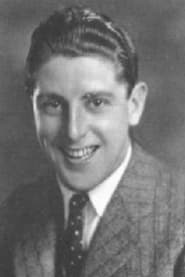
A. Edward Sutherland
Actor & Director
Born: January 5, 1895 in London, England Died: December 31, 1973 Active: 1914-1940 Birth Name: Albert Edward Sutherland
Films
5 films

About A. Edward Sutherland
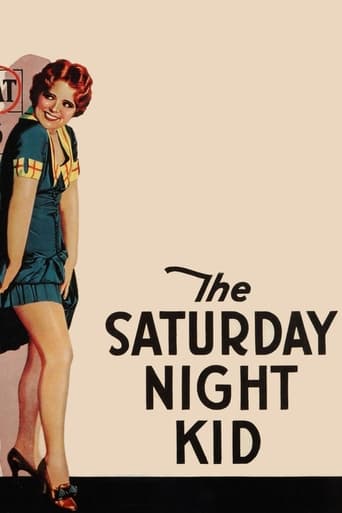
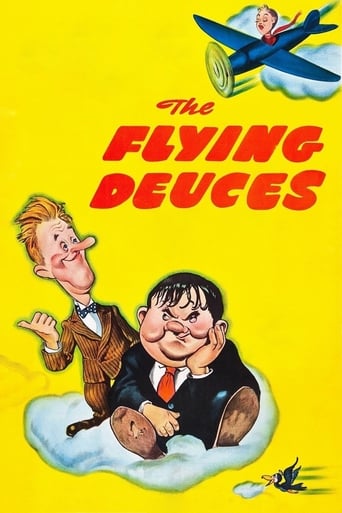
Albert Edward Sutherland — figure in early Hollywood who successfully transitioned from silent film actor to prolific comedy director during the golden age of cinema. Born in London and raised in Canada, he began his acting career in the mid-1910s, appearing in numerous silent films before moving behind the camera. Sutherland's directorial breakthrough came in the 1920s when he specialized in comedy, working with some of the era's biggest stars including W.C. Fields, the Marx Brothers, and Buster Keaton. His most celebrated directorial work includes 'The Flying Deuces' (1939) with Laurel and Hardy, 'It's the Old Army Game' (1926) with W.C. Fields, and 'The Saturday Night Kid' (1929) featuring Clara Bow. Sutherland was known for his efficient shooting style and ability to extract maximum comedic value from his performers, helping establish many of the comedy conventions that would influence later filmmakers. Despite his significant contributions to early comedy cinema, his legacy has been somewhat overshadowed by the more famous performers he directed. He retired from filmmaking in the early 1940s after directing over 60 films, leaving behind a substantial body of work that helped shape American comedy cinema.
The Craft
On Screen
As an actor during the silent era, Sutherland specialized in leading man roles, often playing romantic interests in comedies and dramas. His screen presence was characterized by a clean-cut, wholesome appearance that made him suitable for the romantic leads of the period. While his acting career was relatively brief compared to his directing work, he demonstrated a natural comedic timing and understanding of physical humor that would later inform his directorial approach.
Behind the Camera
Sutherland was known for his efficient, no-nonsense approach to filmmaking, often completing films ahead of schedule and under budget. His directing style emphasized clear visual storytelling and rapid pacing, making him particularly well-suited for comedy. He had a keen eye for physical comedy gags and was skilled at orchestrating complex comedic sequences involving multiple performers. Sutherland was also adept at handling the transition from silent to sound films, successfully adapting his techniques to accommodate dialogue while maintaining the visual comedy elements that characterized his work.
Milestones
- Transition from successful silent film actor to prominent comedy director
- Directed W.C. Fields in several early films including 'It's the Old Army Game' (1926)
- Helmed 'The Saturday Night Kid' (1929) starring Clara Bow in one of her early talkies
- Directed the classic Laurel and Hardy film 'The Flying Deuces' (1939)
- Worked with major comedy stars including the Marx Brothers, Buster Keaton, and Harold Lloyd
- Directed over 60 films during his career spanning both silent and sound eras
Best Known For
Iconic Roles
Must-See Films
Accolades
Special Recognition
- Star on the Hollywood Walk of Fame for Motion Pictures
Working Relationships
Worked Often With
Studios
Why They Matter
Impact on Culture
A. Edward Sutherland played a significant role in shaping American comedy cinema during the crucial transition from silent films to talkies. His work with comedy legends like W.C. Fields and Laurel and Hardy helped establish many of the comedic conventions and timing techniques that would influence generations of comedy filmmakers. Sutherland's ability to successfully navigate the technical and artistic challenges of early sound comedy demonstrated that visual humor could effectively coexist with dialogue, a principle that became fundamental to comedy cinema. His films, particularly those featuring major comedy stars, helped define the tone and style of Hollywood comedy during the 1920s and 1930s.
Lasting Legacy
Though not as widely remembered as many of the stars he directed, Sutherland's legacy endures through the classic comedy films he created. His work represents an important bridge between the slapstick-dominated silent era and the more sophisticated comedy of the sound era. The films he directed, especially 'The Flying Deuces' with Laurel and Hardy, continue to be enjoyed by audiences and studied by film scholars for their comedic timing and technical proficiency. Sutherland's career exemplifies the journey of many early Hollywood professionals who successfully adapted to the rapidly changing technology and artistic demands of early cinema.
Who They Inspired
Sutherland influenced subsequent generations of comedy directors through his efficient shooting methods and his ability to balance physical comedy with dialogue. His work demonstrated that comedy could successfully incorporate both visual gags and verbal wit, a formula that became standard in Hollywood comedy. Directors who followed in his footsteps benefited from the techniques he developed for working with comedy stars, particularly his methods for capturing spontaneous comedic moments while maintaining tight production schedules. His films continue to serve as reference points for understanding the evolution of American comedy cinema.
Off Screen
Sutherland had a colorful personal life marked by multiple marriages to Hollywood actresses. His first marriage was to actress Louise Brooks in 1926, though it ended in divorce after just two years. He later married actress Marjorie Daw in 1923, and after their divorce, married actress Esther Muir in 1935. Sutherland was known in Hollywood circles for his professional demeanor and ability to work effectively with difficult personalities, which contributed to his success as a director of comedy stars. After retiring from filmmaking, he lived a relatively private life away from the Hollywood spotlight.
Education
Limited information available about formal education, though he likely attended schools in Canada where he was raised
Family
- Marjorie Daw (1923-1925)
- Louise Brooks (1926-1928)
- Esther Muir (1935-1939)
Did You Know?
- Was married to the iconic 'flapper' actress Louise Brooks from 1926 to 1928
- Began his film career as an actor before transitioning to directing in the mid-1920s
- Directed over 60 films during his career but rarely received screen credit for his contributions
- Was particularly skilled at working with difficult comedy personalities, earning a reputation as a 'problem-solver' director
- His film 'The Flying Deuces' (1939) became one of Laurel and Hardy's most popular features despite being made late in their career
- Often worked under tight budgets and schedules, developing a reputation for efficiency
- Was one of the few directors who successfully worked with both W.C. Fields and the Marx Brothers
- His transition from actor to director was relatively common in early Hollywood but less so in later years
- Many of his films have been lost due to the deterioration of nitrate film stock
- Despite his British birth, he became an American citizen and contributed significantly to Hollywood comedy
In Their Own Words
On directing comedy: 'The secret is knowing when to let the comedian be themselves and when to guide them toward the film's needs.'
On the transition to sound: 'Talkies didn't kill comedy, they just gave it a new voice to play with.'
On working with difficult stars: 'Every genius has their quirks; the trick is making those quirks work for the picture.'
Frequently Asked Questions
Who was A. Edward Sutherland?
British-American on YTB.my. He is best known for directing comedy films featuring major stars like W.C. Fields, Laurel and Hardy, and Clara Bow, successfully transitioning from acting to directing in the mid-1920s.
What films is A. Edward Sutherland best known for?
Titles linked here include It's the Old Army Game (1926), The Saturday Night Kid (1929).
When was A. Edward Sutherland born and when did he die?
Born January 5, 1895; died December 31, 1973.
What awards did A. Edward Sutherland win?
While A. Edward Sutherland did not receive major film awards during his career, he was honored with a star on the Hollywood Walk of Fame for his contributions to motion pictures. His legacy is primarily preserved through the enduring popularity of the comedy films he directed.
What was A. Edward Sutherland's directing style?
Sutherland was known for his efficient, no-nonsense directing style that emphasized clear visual storytelling and rapid pacing, making him particularly effective for comedy. He excelled at orchestrating physical comedy gags and successfully adapted his techniques from silent to sound films, maintaining visual humor while incorporating dialogue.
Was A. Edward Sutherland married to Louise Brooks?
Yes, A. Edward Sutherland was married to the famous silent film actress Louise Brooks from 1926 to 1928. Their marriage was one of three Hollywood marriages for Sutherland, who also married actresses Marjorie Daw and Esther Muir during his lifetime.
How many films did A. Edward Sutherland direct?
A. Edward Sutherland directed over 60 films during his career, which spanned from the mid-1920s to the early 1940s. His filmography includes a mix of silent films and early talkies, with a particular focus on comedy features and shorts featuring some of the era's biggest comedy stars.
What was A. Edward Sutherland's contribution to early comedy cinema?
Sutherland played a crucial role in shaping American comedy during the transition from silent to sound films. His work helped establish how physical comedy could effectively coexist with dialogue, and he directed many of the era's greatest comedians in some of their most memorable films, influencing the development of Hollywood comedy for decades to come.