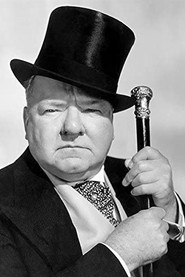
W.C. Fields
Actor
Born: January 29, 1880 in Philadelphia, Pennsylvania, USA Died: December 25, 1946 Active: 1915-1946 Birth Name: William Claude Dukenfield
Films
7 films

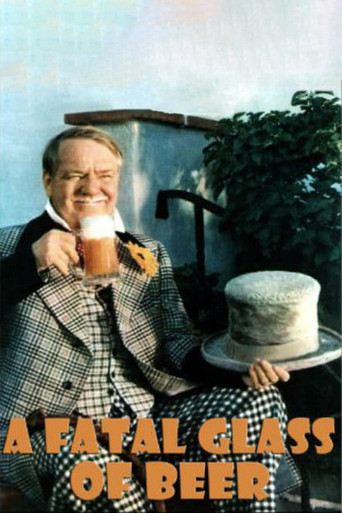
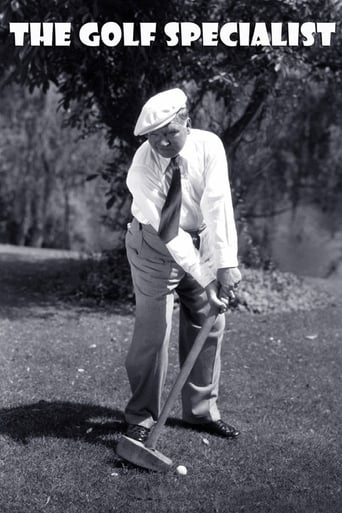

About W.C. Fields
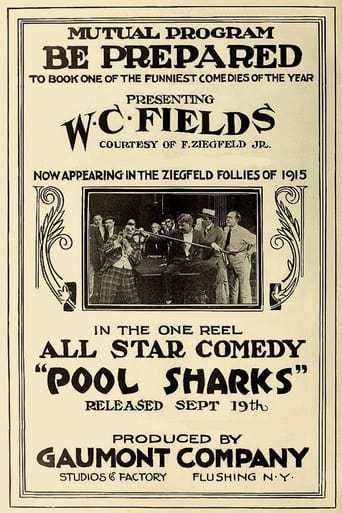
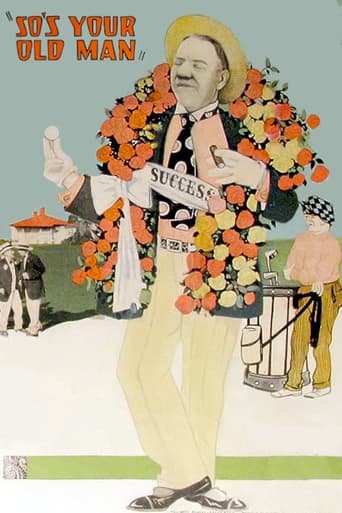
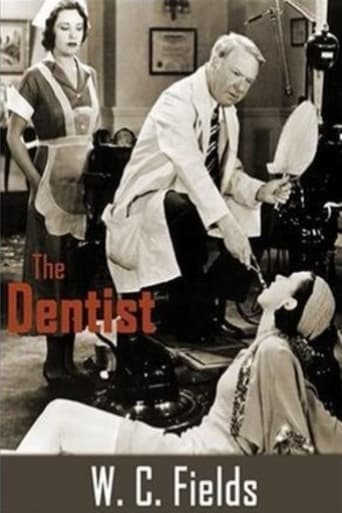
W.C. Fields, born William Claude Dukenfield, was one of America's most comedians who rose from humble beginnings in Philadelphia to become a figure in vaudeville, silent films, and early talkies. He began his career as a juggler and comedian in traveling circuses and vaudeville shows, developing his signature persona of a misanthropic, henpecked alcoholic who despised children and dogs. Fields transitioned to films in 1915 with the comedy short 'Pool Sharks,' showcasing his pool-playing skills and establishing his screen character. His silent film career flourished with comedies like 'So's Your Old Man' (1926) and 'It's the Old Army Game' (1926), where he perfected his physical comedy and facial expressions. With the advent of sound, Fields' distinctive nasal voice and carefully crafted dialogue enhanced his performances in films like 'The Golf Specialist' (1930) and 'The Dentist' (1932). Despite his on-screen persona, Fields — sophisticated performer who meticulously wrote and rehearsed his material, often incorporating his own philosophical observations about life and society. His career continued successfully beyond 1933 with classics like 'It's a Gift' (1934) and 'The Bank Dick' (1940), cementing his legacy as one of comedy's greatest originals.
The Craft
On Screen
Fields developed a unique acting style characterized by his misanthropic, alcoholic persona who constantly complained about his family, children, and the general state of the world. His performance technique combined physical comedy with distinctive verbal delivery, featuring a nasal, drawling voice filled with carefully crafted insults and philosophical observations. Fields excelled in timing, using pauses and facial expressions to maximum comedic effect, often appearing drunk on screen while maintaining precise control over his performance. His characters typically embodied the everyman struggling against domestic life and societal expectations, though Fields' real sophistication contrasted sharply with his on-screen buffoonery.
Milestones
- Vaudeville success as a comedy juggler (1900s-1910s)
- Film debut in 'Pool Sharks' (1915)
- Transition to sound films with 'The Golf Specialist' (1930)
- Development of signature misanthropic comedy persona
- Critical and commercial success with 'It's a Gift' (1934)
- Writing and starring in 'The Bank Dick' (1940)
- Induction into the American Comedy Hall of Fame
Best Known For
Iconic Roles
Must-See Films
Accolades
Won
- Academy Award nomination for Best Actor (1934)
- American Comedy Hall of Fame (inducted posthumously)
- Star on Hollywood Walk of Fame (1960)
Nominated
- Academy Award nomination for Best Actor for 'It's a Gift' (1934)
Special Recognition
- Hollywood Walk of Fame Star at 7021 Hollywood Boulevard
- American Film Institute's Greatest Male Stars of American Cinema (ranked #21)
- Inducted into the International Jugglers' Hall of Fame
- Preserved in the National Film Registry for 'The Bank Dick' (2014)
- United States Postal Service commemorative stamp (1980)
Working Relationships
Worked Often With
Studios
Why They Matter
Impact on Culture
W.C. Fields fundamentally shaped American comedy by creating. His misanthropic character, who battled against family, society, and conventional morality, resonated with audiences during the Great Depression and continues to influence comedy today. Fields' sophisticated wordplay, philosophical pessimism, and anti-establishment attitude provided a counterpoint to more wholesome comedians of his era, introducing a cynical yet lovable character type that became a comedy archetype. His films captured the American struggle between dreams and reality, using humor to critique domestic life, small-town values, and the pursuit of the American Dream.
Lasting Legacy
Fields' legacy endures through his timeless comedy films that continue to be screened and studied by comedy enthusiasts and scholars. His influence can be seen in generations of comedians who adopted his cynical worldview and verbal wit, from the Marx Brothers to modern stand-up comedians. Fields' name has become synonymous with misanthropic humor, and his famous quotes about life, children, and alcohol remain part of the American cultural lexicon. The preservation of his films in archives and their regular broadcast on television have ensured that new generations continue to discover and appreciate his unique comedic genius.
Who They Inspired
Fields influenced countless comedians with his distinctive blend of verbal and physical comedy, his creation of a fully realized comic persona, and his sophisticated approach to joke construction. His influence is evident in the work of comedians like Groucho Marx, who adopted similar rapid-fire insults and anti-authoritarian attitudes, and Bob Hope, who incorporated Fields' cowardly yet resourceful character traits. Modern comedians from Woody Allen to Larry David owe a debt to Fields' of the neurotic, pessimistic comic character, while his writing style influenced television sitcoms and stand-up comedy routines for decades.
Off Screen
Fields married Harriet 'Hattie' Hughes in 1900, and they had two sons, William and Claude, though the marriage was troubled and they separated in 1904. Despite his on-screen persona as a woman-hater, Fields maintained relationships with several women throughout his life, including actress Carlotta Monti, who was with him in his final years. He was known for his love of alcohol in real life, though contrary to his image, he was often a disciplined performer who rarely drank during working hours. Fields suffered from health problems in his later years, including a serious illness in 1936 that nearly killed him, but he continued working until his death from a stomach hemorrhage on Christmas Day 1946.
Education
Limited formal education; left school early to work and eventually ran away from home at age 11
Family
- Harriet 'Hattie' Hughes (1900-1936, separated)
Did You Know?
- Fields — accomplished juggler who could juggle up to five items simultaneously and incorporated juggling into his early vaudeville acts
- He was an avid reader and owned over 2,000 books, with a particular fondness for Charles Dickens and Mark Twain
- Fields created his own pool-playing technique for 'Pool Sharks' by using a table with pockets cut larger than normal
- He was a talented writer who contributed to the scripts of most of his films, often uncredited
- Fields hated working with children and animals in films, which became a recurring theme in his comedy
- He excelled in the 'slow burn' reaction shot, holding his facial expressions for maximum comedic effect
- Fields once claimed he never drank on the set, despite his alcoholic screen persona
- He was a skilled golfer and often incorporated golf into his comedy routines
- Fields' distinctive voice was partly the result of a childhood injury to his throat
- He was nominated for an Oscar only once, despite his long and successful career
- Fields — Freemason and belonged to the St. Cecile Lodge No. 568 in New York
- He created a mock dictionary of words and phrases he invented for his comedy routines
In Their Own Words
I cook with wine. Sometimes I even add it to the food.
A thing worth having is a thing worth cheating for.
Never give a sucker an even break.
Horse sense is the thing a horse has which keeps it from betting on people.
Some weasel took the cork out of my lunch.
Children should neither be seen nor heard from - ever again.
I am free of all prejudices. I hate everyone equally.
If at first you don't succeed, try, try again. Then quit. No use being a damn fool about it.
A rich man is nothing but a poor man with money.
Ah, the patter of little feet around the house. There's nothing like having a midget for a butler.
Frequently Asked Questions
Who was W.C. Fields?
Iconic American comedian, with credits in this catalog. He began his career in vaudeville as a juggler before transitioning to silent films and early talkies, creating.
What films is W.C. Fields best known for?
Titles linked here include Pool Sharks (1915), So's Your Old Man (1926).
When was W.C. Fields born and when did he die?
Born January 29, 1880; died December 25, 1946.
What awards did W.C. Fields win?
Fields received an Academy Award nomination for Best Actor for 'It's a Gift' (1934) and was posthumously inducted into the American Comedy Hall of Fame. He received a star on the Hollywood Walk of Fame in 1960 and was ranked #21 on AFI's list of greatest male American screen stars.
What was W.C. Fields' acting style?
Fields developed a unique acting style featuring a misanthropic, alcoholic character with a distinctive nasal voice and carefully crafted insults. His comedy combined physical gags with sophisticated wordplay, timing, and facial expressions, creating a persona that was simultaneously contemptuous of humanity yet oddly sympathetic to audiences.