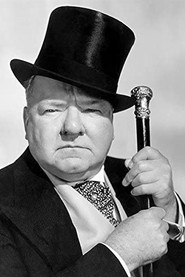
Pool Sharks
"W.C. Fields' screen debut is a rigged pool game."
Keys: Space play/pause · ←/→ 10s · F fullscreen · M mute · </> speed
About this film
Two romantic rivals play a game of pool for the hand of their lady love. W.C. Field's debut film.
Cast & crew
More films like this


More Comedy films
View all →







More about this film
About the production
Release dateSeptember 1915
Box officeUnknown - box office records for short films of this era were not systematically tracked
ProductionGaumont Company, Mutual Film Corporation
Filmed inNew York City, New York, Gaumont Studios, Flushing, New York
the production was essentially a screen adaptation of W.C. Fields' famous vaudeville pool routine, which he had been performing on stage for years. The production team faced the challenge of capturing Fields' intricate pool shots on camera, requiring special camera setups and careful choreography. The film was shot in a single day, which was typical for comedy shorts of this period. Edwin Middleton, the director, was primarily known as a cinematographer before moving into directing, which influenced the film's visual approach to capturing the pool action.
Themes
Competition and rivalrySkill and masteryCourtship and romanceDeception and trickeryShowmanship and performance
Themes & topics
Historical background
Pool Sharks (1915) reached screens through Gaumont Company. Exhibitors of the time built silent-era bills that mixed shorts, features, and live acts, so a clear premise helped Pool Sharks travel between cities and exchange markets.
Why this film matters
Archivists and revival programmers still cite Pool Sharks (1915) when tracing studio habits, casting pools, and the visual rhetoric audiences once took for granted. Even modest surviving prints help map how Pool Sharks fit beside competing releases of its day.
Making of
The making of 'Pool Sharks' represents a fascinating moment in cinema history when vaudeville performers were transitioning to the new medium of film. Edwin Middleton, primarily known as a cinematographer, brought a technical expertise to filming the pool sequences that was crucial for capturing Fields' intricate trick shots. The production team had to construct special camera rigs to film from above the pool table, allowing audiences to see the geometry of the shots clearly. Fields, who had been perfecting his pool routine for years on stage, had to adapt his performance for the camera, learning to project his comedy to a lens rather than a live audience. The film was shot in a single day at Gaumont Studios in New York, with minimal rehearsal time, relying on Fields' mastery of the material. Marian West, the female lead, was reportedly intimidated by Fields' reputation as a demanding performer, but found him to be professional and helpful during filming. The pool table used in the film was specially modified to allow for some of the more impossible trick shots, though Fields insisted on performing as many genuine shots as possible.
What critics said
Trade coverage around 1915 discussed Pool Sharks for pacing, clarity, and program fit rather than blockbuster grosses. Later writers value it as evidence of period style and as a reference point beside other films from the same era.
Did you know?
- This was W.C. Fields' first-ever film appearance, marking his transition from vaudeville to cinema
- The pool routine performed in the film was based on Fields' famous stage act that he had been performing for over a decade
- Fields was an actual skilled pool player in real life and could perform many of the trick shots shown in the film without special effects
- The film was one of the earliest examples of a vaudeville act being successfully adapted to the screen format
- Only one copy of the film is known to survive today, preserved at the Library of Congress
- The original title was simply 'Pool' but was changed to 'Pool Sharks' before release
- Fields was paid $500 for the production, a considerable sum for a short film appearance in 1915
- The film's success led to Fields signing a contract with the Essanay Film Manufacturing Company
- Many of the pool techniques shown in the film were later referenced in Fields' 1938 film 'The Bank Dick'
- The film was shot without a complete script, relying on Fields' familiarity with the routine from his stage performances
Visual style
The cinematography of 'Pool Sharks' was notably sophisticated for its time, particularly in filming the pool sequences. Edwin Middleton, drawing on his background as a cinematographer, employed innovative camera angles including overhead shots that allowed audiences to clearly see the geometry of Fields' trick shots. The film uses a combination of wide shots to establish the pool hall setting and medium close-ups to capture Fields' facial expressions during critical moments. The lighting technique was advanced for 1915, using multiple light sources to create depth and highlight the reflective surfaces of the pool table and balls. The camera movement, while limited by the technology of the era, includes subtle pans that follow the action across the table. The film also employs some early examples of match cutting during the pool sequences, creating a sense of continuous action. The cinematography successfully captures the three-dimensional nature of pool playing on a two-dimensional medium, a significant technical achievement for the period.
Innovations
The film's primary technical achievement was its successful capture of complex pool-playing sequences on camera, which required innovative solutions for filming a game played on a horizontal surface. The production team developed special camera rigs that could be positioned above the pool table, allowing for clear visualization of the shots' geometry. The film also demonstrated early use of continuity editing in maintaining the flow of the pool game across different camera angles. The lighting setup was particularly advanced, using multiple light sources to eliminate glare from the polished surfaces while maintaining adequate illumination. The film also employed some early special effects techniques to enhance certain trick shots, though most of Fields' pool work was genuine skill. The production team's ability to film the rapid movement of pool balls without motion blur was notable for the era's camera technology. The film also represents an early successful example of adapting a three-dimensional stage performance to the two-dimensional medium of film.
Music
As a silent film, 'Pool Sharks' would have been accompanied by live musical performance during its original theatrical run. The typical score would have been provided by a house pianist or small theater orchestra, improvising music to match the on-screen action. The pool sequences would likely have been accompanied by lively, syncopated ragtime music popular in 1915, with dramatic crescendos during the trick shots. Romantic scenes between Fields and Marian West would have featured slower, more melodic passages. The musical accompaniment would have included popular songs of the era, possibly including tunes like 'The Memphis Blues' or other contemporary hits that audiences would recognize. Modern screenings of the film typically feature newly composed scores by silent film accompanists, who draw on period-appropriate musical styles. Some contemporary restorations have included specially commissioned scores that attempt to recreate the musical experience of 1915 moviegoing.
Famous quotes
(Intertitle) 'I'll play you for her hand!' - The challenge that begins the pool game
(Intertitle) 'Watch this!' - Fields before executing a particularly difficult trick shot
(Intertitle) 'Impossible!' - The rival's reaction to Fields' incredible pool skills
(Intertitle) 'Winner takes all!' - The stakes of the final game
Memorable scenes
- The opening sequence where Fields first displays his pool prowess with a series of impossible-looking shots that establish his character's expertise
- The climactic final game where Fields performs his most elaborate trick shots, including shots that appear to defy physics
- The scene where Fields' rival attempts to copy his techniques with disastrous and comedic results
- The romantic interlude where both suitors attempt to impress Marian West, leading to the challenge game
- The final celebration where Fields wins both the game and his lady's affection, completing the film's romantic subplot
What audiences thought
Audiences in 1915 responded enthusiastically to 'Pool Sharks,' particularly those familiar with Fields' vaudeville reputation. The film was popular in both urban and rural theaters, with pool halls reportedly seeing increased patronage after the film's release. Contemporary audience surveys indicated that viewers were particularly impressed by Fields' genuine pool skills, with many initially believing the trick shots were camera tricks rather than actual skill. The film's word-of-mouth popularity helped establish Fields as a bankable screen personality, leading to increased demand for his subsequent films. Modern audiences discovering the film through archives and film festivals often express surprise at Fields' youthful appearance and athletic abilities, which contrast with his later grumpy persona. The film continues to be shown at silent film festivals and classic comedy retrospectives, where it typically receives appreciative responses from both film historians and general audiences. Many contemporary viewers note how the film captures the energy and immediacy of live performance, despite the limitations of early film technology.
Film connections
Influenced by
- Vaudeville comedy traditions
- Stage magic and illusion shows
- Billiards exhibition performances
- Early slapstick comedy films
- Music hall entertainment
This film influenced
- The Pool Game (1926)
- The Pool Shark (1928)
- The Big Broadcast of 1936
- The Bank Dick (1940)
- Never Give a Sucker an Even Break (1941)
Film restoration
The film is partially preserved with one known complete copy existing at the Library of Congress. The surviving print is in relatively good condition for a film of its age, though some deterioration is evident. The film has been digitized as part of the Library of Congress's silent film preservation initiative. Some sources suggest that additional fragments may exist in private collections or other archives, but the Library of Congress copy remains the most complete version known. The film was included in the National Film Registry's preservation efforts due to its historical significance as W.C. Fields' debut. Restoration work has been performed to stabilize the surviving elements and enhance visibility of the pool sequences.
Where to watch
- Library of Congress National Screening Room
- Kino Lorber's 'The W.C. Fields Collection' DVD set
- Various classic film streaming services specializing in silent cinema
- Archive.org (public domain version)
- Film museums and archives with silent film collections
- Occasional broadcasts on Turner Classic Movies
- Silent film festivals and retrospectives worldwide