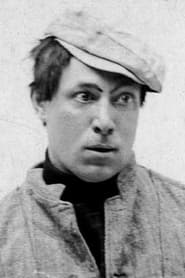
Bud Ross
Actor
Born: April 26, 1868 in New York City, New York, USA Died: May 8, 1948 Active: 1915-1927 Birth Name: Charles Edward Ross
Films
12 films
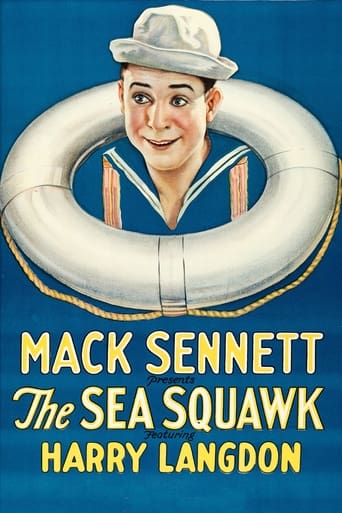
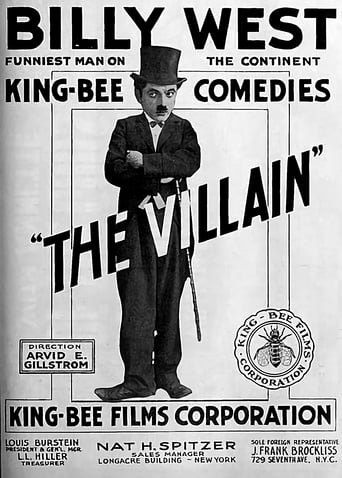
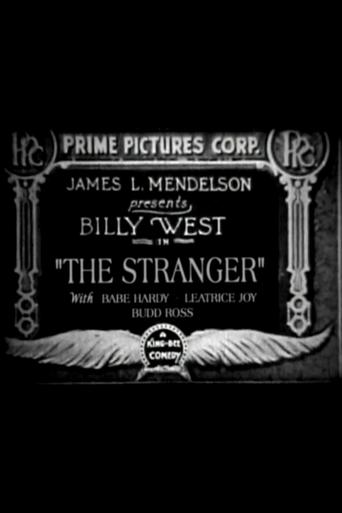
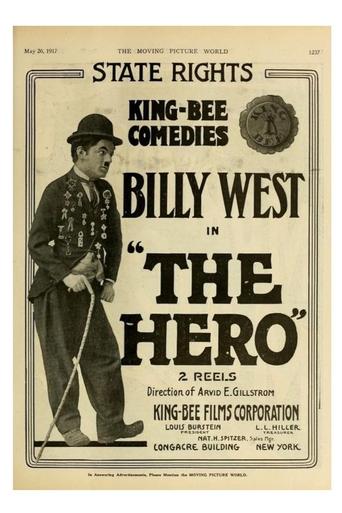
About Bud Ross
American character actor who flourished during the silent film era, primarily known for his work in comedy shorts. He began his film career in 1915 and quickly became a recognizable face in the burgeoning comedy scene, often playing supporting roles alongside popular comedians of the day. Ross appeared in numerous short comedies for various studios throughout the late 1910s and early 1920s, frequently cast as comic relief, sidekicks, or antagonists. His most prolific period was between 1915-1920, when he appeared in dozens of one- and two-reel comedies, many of which are now considered lost films. Ross worked with several comedy series and was particularly active in the productions of companies like King Bee Studios and other independent comedy producers. As the film industry transitioned to sound in the late 1920s, his career began to wane, and he made his final film appearances around 1927. Though never a leading man, Bud Ross contributed significantly to the golden age of silent comedy as a reliable supporting player who helped define the comedic landscape of the era.
The Craft
On Screen
Bud Ross specialized in broad physical comedy and character acting typical of the silent era. He employed exaggerated facial expressions and slapstick timing to convey humor without dialogue, often playing the comic foil to leading comedians. His style was rooted in vaudeville traditions, incorporating pratfalls, double-takes, and visual gags that translated well to the silent medium. Ross had a particular talent for playing blustery, pompous characters who would inevitably receive their comeuppance, a staple of early film comedy.
Milestones
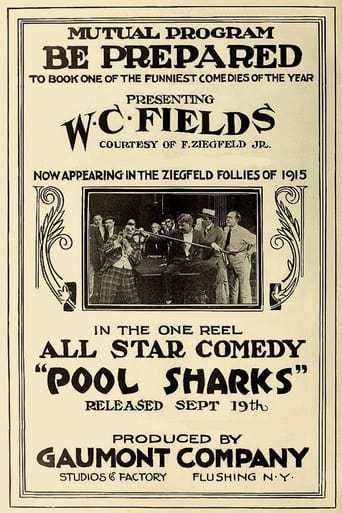
- Appeared in 'Pool Sharks' (1915), one of W.C. Fields' earliest film appearances
- Prolific supporting actor in over 80 silent comedy shorts
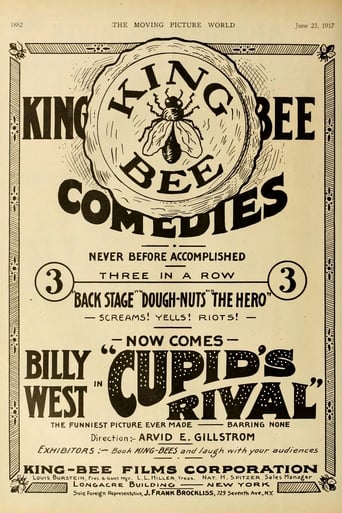
- Regular performer in King Bee Studios comedy productions
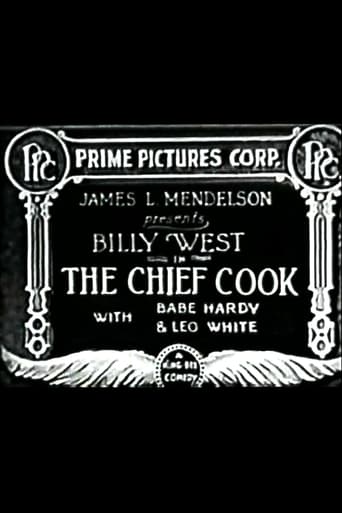
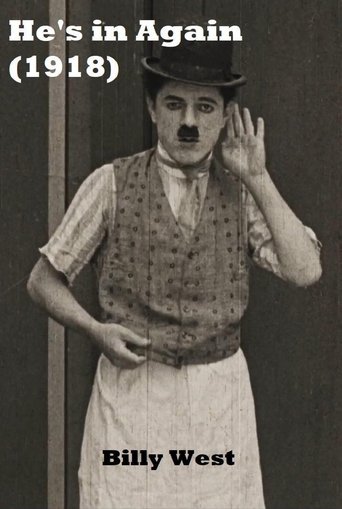
- Worked with numerous comedy stars of the silent era including Billy West and Oliver Hardy
- Transitioned from vaudeville to film during the early cinema boom
Best Known For
Iconic Roles
Must-See Films
Working Relationships
Worked Often With
Studios
Why They Matter
Impact on Culture
Bud Ross represents the army of character actors who formed the backbone of silent comedy, providing essential support to the stars who became legends. While never achieving leading man status, his contributions to over 80 comedy shorts helped establish the visual language of film comedy that would influence generations of performers. His work exemplifies the transition from vaudeville to cinema, preserving theatrical comedy traditions in the new medium of film. Ross and actors like him created the comic archetypes and situations that would become standard in American comedy, from the pompous authority figure to the bumbling sidekick.
Lasting Legacy
Bud Ross's legacy lies in his contribution to the golden age of silent comedy as a reliable character actor who appeared in dozens of films that entertained audiences during cinema's formative years. Though many of his films are now lost, his surviving work provides insight into the development of film comedy and the supporting actor's crucial role in early cinema. As part of the ensemble casts that populated silent comedy shorts, Ross helped create the template for comedic ensemble work that continues in film and television today. His career trajectory also illustrates the challenges faced by character actors during the transition to sound, when many silent era performers found themselves obsolete.
Who They Inspired
While Bud Ross did not directly mentor famous successors, his work as a character actor influenced the development of supporting roles in comedy films. His approach to physical comedy and character archetypes contributed to the visual vocabulary that later comedians would build upon. The types of characters he portrayed—the blustery official, the comic antagonist, the bumbling sidekick—became staples that would be refined and adapted by subsequent generations of comedy performers. His body of work serves as a historical record of comedy techniques and character types that evolved throughout the 20th century.
Off Screen
Born Charles Edward Ross in New York City, Bud Ross began his entertainment career in vaudeville before transitioning to the burgeoning film industry. He was part of the generation of performers who made the leap from stage to screen during cinema's formative years. Ross married and had children, though details about his family life remain scarce in historical records. After his film career ended in the late 1920s, he likely returned to other forms of entertainment or retired from show business entirely. He spent his final years in California, where he passed away in 1948 at the age of 80.
Education
Unknown - likely informal training through vaudeville experience
Family
- Unknown - details not available in historical records
Did You Know?
- Appeared in 'Pool Sharks' (1915), which was W.C. Fields' film debut
- His real name was Charles Edward Ross, but he used 'Bud' as his professional name
- Was a veteran of vaudeville before entering films, which explains his comfort with physical comedy
- Appeared in films for multiple studios, showing his versatility and demand as a character actor
- Many of the films he appeared in are now considered lost, a common fate for silent shorts
- Worked with Oliver Hardy before Hardy's famous partnership with Stan Laurel began
- Was active during the peak years of silent comedy production (1915-1920)
- His career ended around the time sound films became dominant, suggesting difficulty with the transition
- Often played authority figures who were the butt of jokes, a common trope in silent comedy
- Was part of the large community of New York-based actors who worked in early East Coast film production
In Their Own Words
No documented famous quotes - as a silent film supporting actor, his work was primarily visual and physical rather than verbal
Frequently Asked Questions
Who was Bud Ross?
American character with credits in this catalog. Born Charles Edward Ross, he was a veteran of vaudeville who transitioned to film and appeared in over 80 comedy productions, often playing supporting roles as comic antagonists or sidekicks to leading comedians of the era.
What films is Bud Ross best known for?
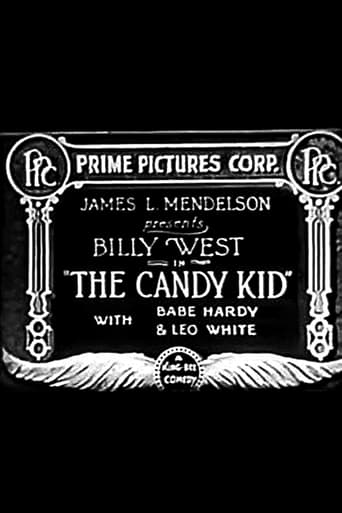
Titles linked here include Pool Sharks (1915), The Candy Kid (1917).
When was Bud Ross born and when did he die?
Born April 26, 1868; died May 8, 1948.
What awards did Bud Ross win?
Bud Ross did not receive any major awards or nominations during his career. As a character actor in the silent era, he was part of the large community of working actors who contributed to films without receiving formal recognition or awards, which were less common during the early days of cinema.
What was Bud Ross's acting style?
Bud Ross specialized in broad physical comedy typical of the silent era, employing exaggerated facial expressions, pratfalls, and visual gags. His vaudeville background influenced his style, which often involved playing pompous or blustery characters who would inevitably receive comic comeuppance. He was particularly skilled at non-verbal comedy that could convey humor without dialogue.
Did Bud Ross work with any famous comedians?
Yes, Bud Ross worked with several notable comedians of the silent era. He appeared in 'Pool Sharks' (1915) with W.C. Fields in one of Fields' earliest film appearances, and worked with Oliver Hardy before Hardy's famous partnership with Stan Laurel. He also frequently collaborated with comedian Billy West in various comedy shorts.
What happened to Bud Ross's career after silent films ended?
Bud Ross's film career appears to have ended around 1927, coinciding with the transition to sound films. Like many character actors from the silent era, he likely found it difficult to adapt to the new requirements of sound cinema and either retired from entertainment or returned to other forms of performance. His final years were spent away from the film industry.