
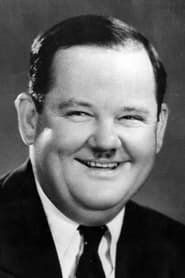
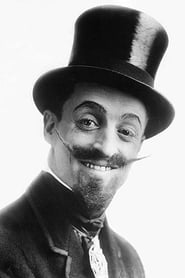
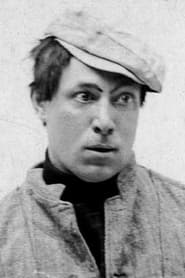

The Candy Kid
"Caught between arvid and 1917"
Keys: Space play/pause · ←/→ 10s · F fullscreen · M mute · </> speed
About this film
1917 film by Arvid E. Gillstrom.
Cast & crew
More films like this
More Comedy films
View all →







More from Arvid E. Gillstrom
View all →
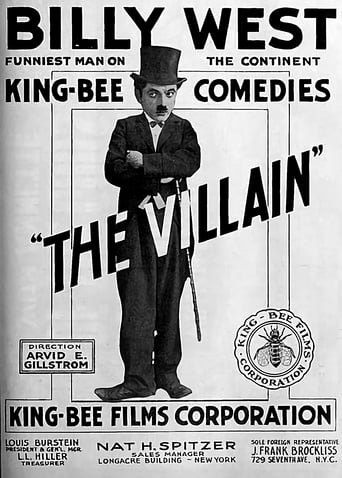
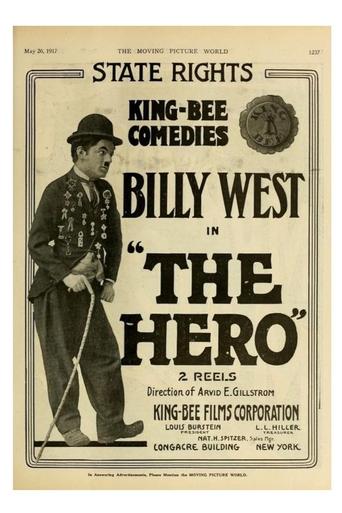
More about this film
About the production
Release dateNovember 1917
Box officeUnknown
ProductionKing Bee Studios
Filmed inLos Angeles, California, Fort Lee, New Jersey (possible)
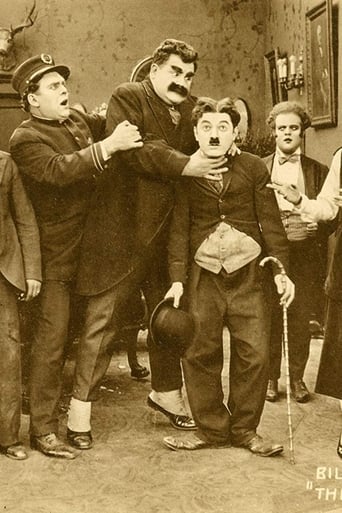
The Candy Kid was part of Billy West's successful series of Chaplin imitation films produced by King Bee Studios. The film was made during the height of Chaplin's popularity when many studios created 'fake Chaplin' films to capitalize on his fame. The production utilized simple sets typical of the era, with the candy store setting allowing for numerous physical comedy opportunities. The film was shot in black and white on 35mm film using the standard equipment of the silent era.
Themes
Love and RomanceDeception vs. TruthSocial ClassComedy of ErrorsTriumph of the Underdog
Themes & topics
candy storetramp characterromantic rivalrymistaken identityslapstick comedysilent filmChaplin imitationphysical comedychase sequencesweet shop
Historical background
The Candy Kid (1917) emerged during the silent era before feature-length dominance, when exhibition habits and national film industries were still taking shape.
Why this film matters
The Candy Kid remains accessible through digital archives, giving modern viewers a direct link to 1917 screen culture.
Making of
The production of The Candy Kid took place during a unique period in Hollywood history when intellectual property laws were less stringent, allowing studios to create imitation films of popular characters. Billy West had carefully studied Chaplin's mannerisms, costume, and comedic timing to create his version of the tramp character. The filming process would have been rapid, with most comedy shorts of the era being completed in just a few days. Oliver Hardy, who was building his career as a character actor, brought his physical presence to the film, foreshadowing the comic style that would later make him famous. The candy store set was designed to maximize opportunities for slapstick comedy, with props and obstacles strategically placed throughout. The cast and crew worked within the constraints of early film technology, using natural lighting when possible and hand-cranked cameras that required constant attention from the cinematographer.
What critics said
Retrospective notes on The Candy Kid emphasize its value as a silent-era document rather than blockbuster reception.
Did you know?
- Billy West was especially successful Chaplin imitators of the silent era, with his films often being mistaken for genuine Chaplin works by audiences
- Oliver Hardy appears in this film before his partnership with Stan Laurel began in 1927
- The practice of creating 'fake Chaplin' films was so common that Chaplin himself eventually took legal action to protect his character
- King Bee Studios produced numerous Billy West films, all attempting to replicate Chaplin's formula and success
- Director Arvid E. Gillstrom was a prolific director of comedy shorts during the 1910s, working with many comedy stars of the era
- The candy store setting was a popular location for comedy films of the period, allowing for visual gags involving sweets and confections
- Billy West's imitation was so convincing that some theaters advertised his films as actual Chaplin productions
- The film was released during World War I, when comedy films were particularly popular as escapist entertainment
- Leo White, who appears in the film, was a German-born actor who often played villainous or comedic roles in silent films
- This film is part of a larger body of work that demonstrates how character archetypes were shared and adapted across different studios in early Hollywood
Visual style
The cinematography in The Candy Kid follows the standard practices of 1917 comedy production, with a static camera positioned to capture the full range of physical comedy. The film likely used natural lighting supplemented by studio lights, with the candy store setting providing opportunities for high-key lighting to enhance the cheerful mood. The camera work would have emphasized the physical movements of the performers, particularly Billy West's Chaplin-esque antics and Oliver Hardy's imposing presence. Long takes would have been favored to allow the comedy to play out without interruption, with close-ups used sparingly for emotional moments or to highlight specific gags. The visual style prioritizes clarity and visibility of the action, essential for comedy that relies on physical details and timing.
Innovations
The Candy Kid does not feature notable technical innovations but represents the standard technical capabilities of 1917 comedy production. The film was shot on 35mm film using hand-cranked cameras that required skilled operators to maintain consistent speed. The lighting techniques employed would have included the use of mercury vapor lamps and carbon arc lights to illuminate the studio sets. The candy store set design would have incorporated practical elements that could be used for comedy, such as breakable props and movable obstacles. The film's editing likely followed the continuity style that was becoming standard in Hollywood, with clear spatial relationships and temporal continuity to help audiences follow the comedic narrative.
Music
As a silent film, The Candy Kid would have been accompanied by live musical performance during its theatrical run. The typical score would have consisted of popular songs of the era, classical pieces, and specially composed mood music provided by the theater's pianist or organist. For comedy films like this, the musical accompaniment would have been upbeat and lively, using ragtime and popular dance music to enhance the humorous situations. The candy store setting might have inspired sweet, playful musical motifs during certain scenes. Large urban theaters might have had small orchestras, while smaller venues relied on a single pianist. The music would have been carefully synchronized with the on-screen action, with faster tempos during chase scenes and softer melodies for romantic moments.
Famous quotes
(Silent film - no dialogue)
Memorable scenes
- The chaotic candy-making sequence where Billy West's character accidentally creates a massive mess while trying to impress his love interest, resulting in him being covered in various confections and sticky substances
What audiences thought
Audiences of 1917 generally received Billy West's Chaplin imitations enthusiastically, with many theatergoers reportedly unable to distinguish between genuine Chaplin films and the imitations. The Candy Kid likely performed well at the box office, as evidenced by the continued production of similar films by King Bee Studios. Rural audiences and those in smaller towns, who might not have had regular access to authentic Chaplin releases, particularly appreciated these imitation films. The combination of familiar comedy routines and the presence of recognizable character actors like Oliver Hardy would have made these shorts reliable entertainment for audiences seeking laughter during the stressful war years. Letters to trade publications from theater owners of the period often mentioned the popularity of Billy West films as reliable crowd-pleasers.
Film connections
Influenced by
- Charlie Chaplin's Tramp character
- Mack Sennett comedy style
- Early American slapstick tradition
This film influenced
- Other Billy West Chaplin imitations
- Later comedy shorts featuring similar romantic rivalries
Film restoration
The Candy Kid is believed to be a lost film, as with many silent comedies from this period. No complete copies are known to exist in major film archives such as the Library of Congress, the Museum of Modern Art, or the British Film Institute. Some fragments or still photographs may survive in private collections or archives, but the complete film has not been located. The loss of this film is representative of the broader issue of silent film preservation, with an estimated 75% of American silent films considered lost.
Where to watch
- Currently unavailable for viewing due to lost film status
- May exist in fragments in private collections or film archives
- Still photographs and promotional materials may be found in historical film databases