Ethelyn Gibson
Actor
Born: March 13, 1897 in Denver, Colorado, USA Died: May 5, 1972 Active: 1917-1925
Films
6 films
About Ethelyn Gibson
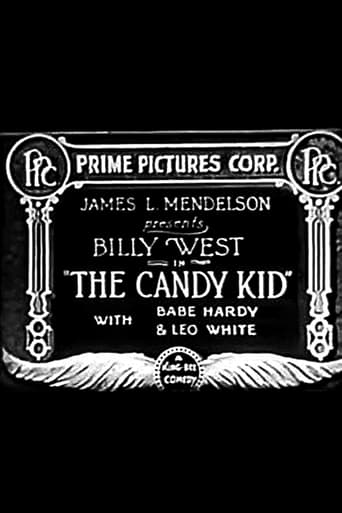
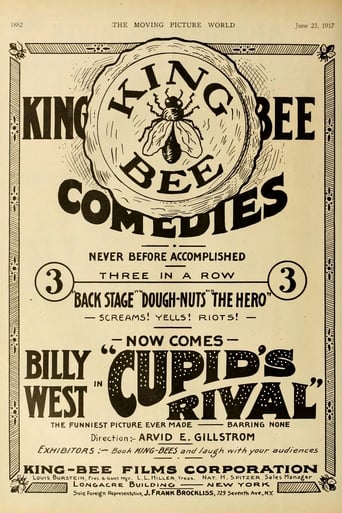
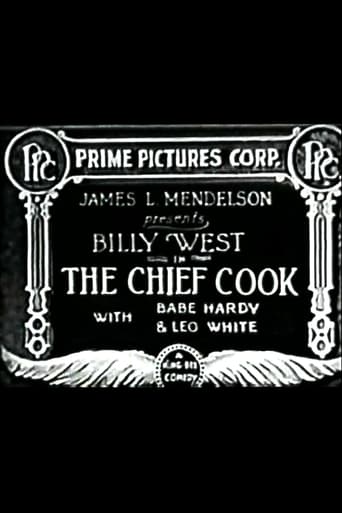
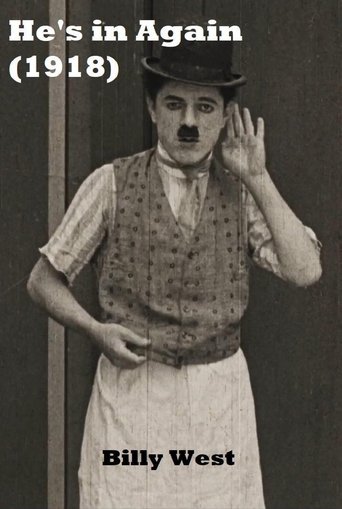
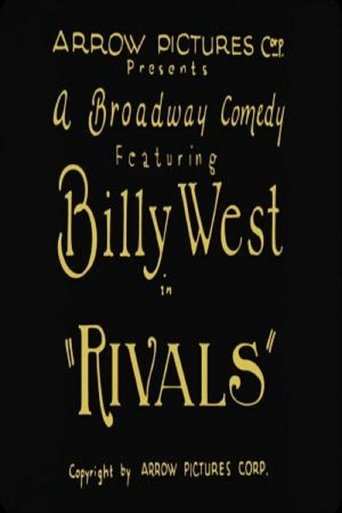
American actress who worked primarily during the silent film era, with her career spanning from 1917 to 1925. She emerged in Hollywood during the transitional period when the film industry was consolidating and becoming more sophisticated. Gibson appeared in a series of comedies and dramas, often in supporting roles that showcased her versatility as a performer. Her most prolific year was 1917, when she appeared in multiple films including 'The Candy Kid,' 'Cupid's Rival,' and 'The Chief Cook.' She continued working through the late 1910s and into the early 1920s, with her final credited appearance being in 'Rivals' in 1925. Like many silent era actors, her career declined with the advent of sound films, and she retired from acting as the industry underwent this dramatic transformation.
The Craft
On Screen
Ethelyn Gibson employed the classic silent film acting style characterized by exaggerated facial expressions and body language to convey emotion without dialogue. Her performances in comedies demonstrated a natural comedic timing, while her dramatic roles showed an ability to convey subtle emotional shifts through gesture and expression. Like many silent era performers, she had to master the art of pantomime and use her eyes and facial muscles extensively to communicate with audiences.
Milestones
- Film debut in 'The Candy Kid' (1917)
- Multiple film releases in 1917 establishing her as a working actress
- Transition from short comedies to feature-length dramas
- Final film appearance in 'Rivals' (1925)
Best Known For
Iconic Roles
Must-See Films
Working Relationships
Worked Often With
Studios
Why They Matter
Impact on Culture
Ethelyn Gibson represents the thousands of working actors who formed the backbone of the silent film industry but whose names have largely faded from popular memory. Her career trajectory mirrors that of many silent era performers who found steady work during the 1910s and early 1920s but were unable to make the transition to sound films. While she never achieved stardom, her contributions to dozens of films helped create the entertainment that captivated audiences during cinema's formative years.
Lasting Legacy
Ethelyn Gibson's legacy lies in her representation of the typical working actor of the silent era. Her filmography, though not extensive, provides a window into the types of productions being made during Hollywood's early years. The preservation of her films in archives ensures that future generations can study the acting techniques and storytelling methods of this pivotal period in cinema history.
Who They Inspired
As a supporting actress rather than a star, Ethelyn Gibson's direct influence on other performers is difficult to trace. However, like all actors of her generation, she contributed to the development of film acting techniques that would evolve and influence future generations of performers. Her work in early comedies helped establish patterns of physical comedy and timing that would become standard in American cinema.
Off Screen
Ethelyn Gibson was born in Denver, Colorado, and moved to California during her teens to pursue a career in the burgeoning film industry. She married early in her career but details about her personal relationships remain scarce. After retiring from films in 1925, she largely disappeared from public life and lived privately in California for the remainder of her years. She passed away in 1972 at the age of 75, having witnessed the complete transformation of the film industry from silent pictures to the modern era.
Education
Information about her formal education is not documented in available sources
Family
- Information not publicly available
Did You Know?
- Born in the same year as the first public film screening in Paris
- Her most prolific year was 1917 when she appeared in at least three films
- She retired from acting just as the sound era was beginning
- Like many silent actors, her active years covered less than a decade
- Her final film 'Rivals' (1925) came out just two years before 'The Jazz Singer' changed cinema forever
- She lived to see the complete transformation of the film industry from silent to modern cinema
- Her birthplace of Denver was unusual for early film actors, most of whom came from the East Coast
- She worked during World War I, a period that saw significant changes in film production and themes
In Their Own Words
No documented quotes are available from Ethelyn Gibson in existing sources
Frequently Asked Questions
Who was Ethelyn Gibson?
American silent film actress who worked in Hollywood from 1917 to 1925, appearing primarily in comedies and dramas during the golden age of silent cinema.
What films is Ethelyn Gibson best known for?
Titles linked here include The Candy Kid (1917), Cupid's Rival (1917).
When was Ethelyn Gibson born and when did she die?
Born March 13, 1897; died May 5, 1972.
What awards did Ethelyn Gibson win?
There are no documented awards or nominations for Ethelyn Gibson in available historical records, which was common for many supporting actors of the silent era.
What was Ethelyn Gibson's acting style?
She employed classic silent film acting techniques with exaggerated facial expressions and body language, demonstrating natural comedic timing in her roles and the ability to convey emotion through gesture and pantomime.