
Rivals
"Two rivals compete in silent-era slapstick rivalry"
Keys: Space play/pause · ←/→ 10s · F fullscreen · M mute · </> speed
About this film
A 1925 silent comedy.
Cast & crew
More films like this


More Comedy films
View all →







More from Ward Hayes
View all →
More about this film
About the production
Release dateMarch 1925
Box officeUnknown
ProductionBilly West Comedies
Filmed inLos Angeles, California
This was one of the series of comedy shorts produced by Billy West's own production company during the mid-1920s. The picture was likely shot on the West Coast where many silent comedies were produced during this period. The production would have been typical of two-reel comedies of the era, filmed quickly on standing sets or minimal locations to maximize efficiency.
Themes
Themes & topics
Historical background
Rivals (1925) reached audiences through Billy West Comedies in United States, when exhibitors still built programs from varied shorts and features rather than single-block bookings.
Why this film matters
Programmers and historians revisit Rivals (1925) because its story—a 1925 silent comedy—illustrates popular narrative habits and production norms of the period.
Making of
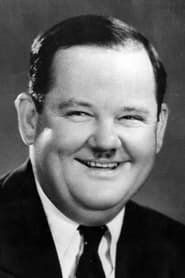
The production of 'Rivals' was typical of the factory-like efficiency of silent comedy short production. Billy West, having established his own production company, would have been involved in both the creative and business aspects of filmmaking. Oliver Hardy, who would later become one half of the Laurel and Hardy duo, was still a journeyman actor appearing in numerous shorts for various producers. the picture would have been shot in just a few days on available sets, with minimal rehearsal and an emphasis on physical comedy that could be filmed quickly. The collaboration between West and Hardy represents an early pairing of two comedians who would both find greater fame in different contexts.
What critics said
English-language trade reviews of Rivals are limited for 1925. Where notices survive, they stress pacing and photographic clarity; later criticism values the title as archival evidence of studio style.
Did you know?
- Billy West was often called 'the poor man's Charlie Chaplin' due to his deliberate imitation of Chaplin's Little Tramp character
- was made before Oliver Hardy's famous partnership with Stan Laurel, which would begin in 1927
- Ward Hayes directed several Billy West comedies during this period but never achieved major recognition as a director
- the picture is believed to be one of many two-reel comedies produced during the peak of silent short film production
- Ethelyn Gibson was a frequent co-star with Billy West in his comedy series
- This type of comedy short was typically shown as part of a larger theater program alongside feature films
- the picture was produced during the transition period when comedy shorts were becoming more sophisticated in their gags and storytelling
- Billy West's production company was one of many independent producers trying to capitalize on the popularity of comedy shorts in the 1920s
Visual style
The cinematography would have been standard for a 1925 comedy short, utilizing static cameras with occasional tracking shots to follow the action. The visual style would emphasize clarity for the physical gags, with medium shots allowing audiences to see the full body movements essential to slapstick comedy. Lighting would be bright and even, typical of studio productions of the era. The camera work would serve the comedy rather than attempt artistic innovation, focusing on capturing the performers' movements and expressions effectively.
Innovations
No significant technical achievements are associated with 'Rivals'. the picture would have utilized standard camera equipment and film stock of the period. As a low-budget comedy short, it would not have incorporated innovative techniques but rather relied on proven methods of visual storytelling and physical comedy. The technical aspects would have been functional rather than groundbreaking, focusing on clearly capturing the comedic performances for maximum audience impact.
Music
As a silent film, 'Rivals' would have been accompanied by live musical performance in theaters. The score would typically have been compiled from standard photoplay music libraries, with selections chosen to match the mood of each scene. Up-tempo pieces would accompany chase sequences and slapstick moments, while romantic scenes would feature slower, more melodic compositions. Larger theaters might have had small orchestras, while smaller venues would use a piano or organ. The music was crucial in establishing tone and enhancing the comedic timing of the visual gags.
Memorable scenes
- The climactic chase sequence where the two rivals pursue each other through various obstacles, showcasing classic silent-era physical comedy and timing
What audiences thought
Audience reception for 'Rivals' would have been typical of comedy shorts of the period - generally positive if the gags landed well with theater patrons. the picture would have been part of a larger program, and its success would be measured by audience laughter rather than critical acclaim. Billy West had a following among audiences who enjoyed his Chaplin-style antics, and Oliver Hardy was becoming a recognizable face in comedy shorts. the picture's appeal would have been primarily to working-class and middle-class moviegoers seeking light entertainment during their theater visits.
Film connections
Influenced by
- Charlie Chaplin's comedies
- Mack Sennett comedy style
- Standard silent comedy tropes
Film restoration
Likely lost film. Most Billy West comedies from this period are considered lost, as many independent productions from the 1920s were not preserved when sound transition occurred. No known copies of 'Rivals' (1925) survive in major film archives.
Where to watch
- Currently unavailable for viewing due to lost status. No known surviving copies exist in public or private archives.