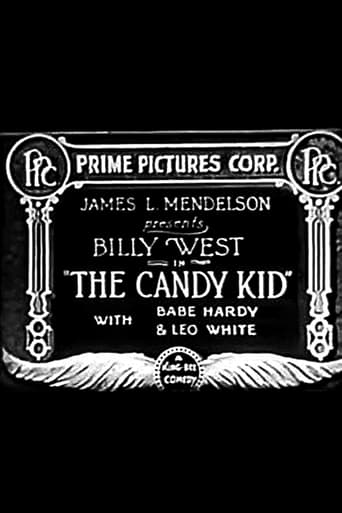

Billy West
Actor
Born: September 22, 1892 in St. Petersburg, Russia Died: July 21, 1979 Active: 1917-1925 Birth Name: Roy B. Weisberg
Films
10 films
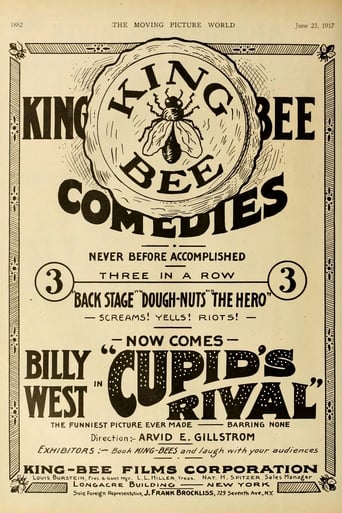
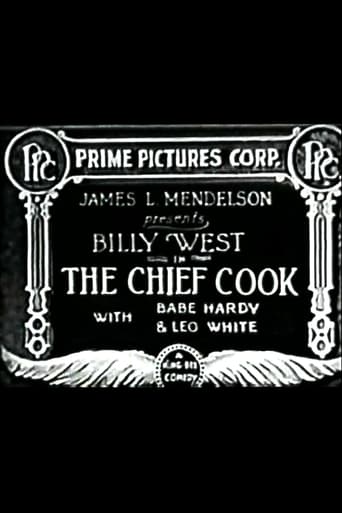
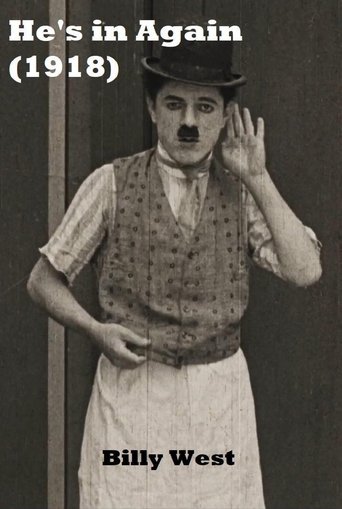
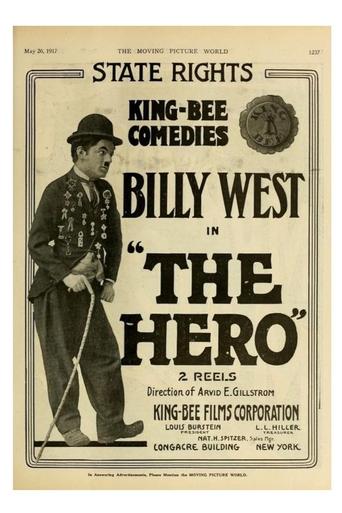
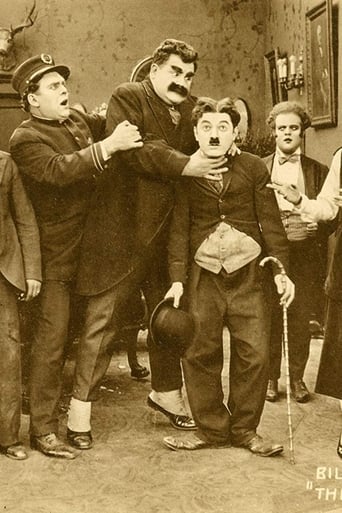
About Billy West
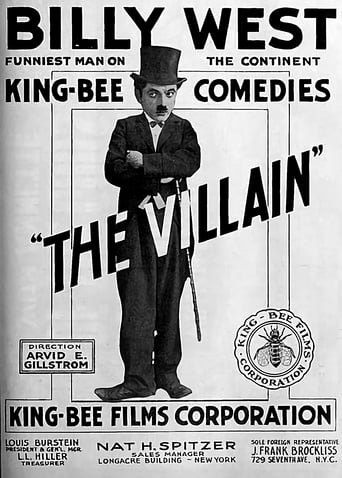
Billy West, born Roy B. Weisberg, was a Russian-American silent film comedian who rose to prominence in the late 1910s as successful Charlie Chaplin imitators. After immigrating to the United States, West entered the film industry and quickly capitalized on Chaplin's immense popularity by creating a nearly identical character with the same costume, makeup, and mannerisms. Between 1917 and 1925, he appeared in over 60 short comedy films, primarily for Fox Film Corporation, where his Chaplin-esque character proved incredibly popular with audiences. Many of his films featured Oliver Hardy before Hardy's famous partnership with Stan Laurel, making these collaborations historically significant. West's career peaked around 1918-1919, but as Chaplin himself became more protective of his character and audiences grew more sophisticated, West's popularity waned significantly. By the early 1920s, he attempted to develop his own comedic style but never achieved the same level of success. He essentially retired from films by 1925, though he made occasional appearances in minor roles through the 1930s. West spent his later years working outside of entertainment and died in relative obscurity in 1979, largely forgotten despite his brief but significant impact on silent comedy.
The Craft
On Screen
Billy West's acting style was primarily characterized by his meticulous imitation of Charlie Chaplin's Tramp character, including the distinctive walk, facial expressions, costume, and makeup. He employed classic slapstick comedy techniques with exaggerated physical movements, pratfalls, and pantomime performance typical of silent era comedians. His comedy relied heavily on visual gags, physical comedy, and situational humor rather than dialogue. As his career progressed, West attempted to develop his own unique comedic persona, incorporating more subtle facial expressions and a slightly less manic performance style than his early Chaplin imitations.
Milestones
- Became
- Starred in over 60 short comedy films between 1917-1925
- Worked extensively with Oliver Hardy before his famous partnership with Stan Laurel
- Achieved peak popularity in 1918-1919 as Fox Film Corporation's comedy star
- Successfully transitioned from Chaplin imitation to developing his own comedic style
Best Known For
Iconic Roles
Must-See Films
Working Relationships
Worked Often With
Studios
Why They Matter
Impact on Culture
Billy West's cultural impact lies primarily in his role as. His films provide valuable insight into the commercial practices of early Hollywood, where imitation was not only accepted but often profitable. West's success demonstrated the immense popularity of Chaplin's Tramp character and the public's insatiable appetite for this type of comedy. His collaborations with Oliver Hardy before Hardy's partnership with Stan Laurel offer historians a glimpse into Hardy's early career development. While West himself was largely forgotten after his career ended, his films serve as important cultural artifacts that help document the evolution of silent comedy and the business practices of early film studios.
Lasting Legacy
Billy West's legacy is that of a footnote in silent film history, representing the era of Chaplin imitators and the commercial exploitation of popular film characters. Though largely forgotten by mainstream audiences, film historians and silent cinema enthusiasts recognize his work as an important part of comedy history. His films, particularly those featuring Oliver Hardy, have gained renewed interest among scholars studying the development of American comedy. West serves as a reminder of the transient nature of fame in early Hollywood and the challenges faced by performers who built careers imitating more innovative artists. His story illustrates the fine line between tribute and exploitation in artistic imitation and the eventual triumph of originality over imitation in popular culture.
Who They Inspired
Billy West's direct influence on other performers was limited, as he was primarily an imitator rather than an innovator. However, his career served as a cautionary tale for other performers about the dangers of building a career around imitation. His work with Oliver Hardy indirectly contributed to Hardy's development as a comedian before his legendary partnership with Stan Laurel. West's films have influenced modern film historians' understanding of silent era comedy production and the commercial practices of early Hollywood studios. His story has become part of the broader narrative about the evolution of comedy and the importance of originality in artistic achievement.
Off Screen
Billy West was born Roy B. Weisberg in St. Petersburg, Russia, and immigrated to the United States with his family as a child. He changed his name to Billy West when entering the film industry, adopting a more American-sounding stage name. Details about his personal life remain relatively scarce, as he was a private individual who rarely gave interviews. After his film career ended in the 1920s, he largely disappeared from public view and worked in various occupations outside the entertainment industry. He spent his later years in California and passed away in 1979 at the age of 86, having lived long enough to see the silent film era he participated in become a subject of historical study and nostalgia.
Education
Information about his formal education is not publicly documented
Family
- Information not publicly available
Did You Know?
- Billy West was one of at least three major Charlie Chaplin imitators working in silent films
- His real name was Roy B. Weisberg, but he changed it for his film career
- Many of his films were thought to be lost Chaplin films by early film collectors
- Oliver Hardy appeared in over 20 of Billy West's comedy shorts
- West's imitation was so convincing that some theaters advertised his films as featuring 'the real Chaplin'
- He made more films in 1917-1918 than Chaplin did during the same period
- His career declined rapidly once Chaplin began legally protecting his Tramp character
- Some of West's films have survived and are preserved in film archives
- He was reportedly paid significantly less than Chaplin despite similar box office appeal
- West attempted to create his own character in the early 1920s but audiences rejected it
In Their Own Words
Information about specific quotes from Billy West is not publicly documented
Frequently Asked Questions
Who was Billy West?
Silent film with credits in this catalog. Weisberg, who gained fame in the late 1910s as. He appeared in over 60 short comedy films between 1917-1925, primarily for Fox Film Corporation, creating a character nearly identical to Chaplin's famous Tramp.
What films is Billy West best known for?
Titles linked here include The Candy Kid (1917), Cupid's Rival (1917).
When was Billy West born and when did he die?
Born September 22, 1892; died July 21, 1979.
What awards did Billy West win?
Billy West did not receive any major awards or nominations during his career. As a supporting actor in short comedy films during the silent era, he was not eligible for the Academy Awards, which were first established in 1929, near the end of his active career.
What was Billy West's acting style?
Billy West's acting style was characterized by his meticulous imitation of Charlie Chaplin's Tramp character, including the distinctive walk, facial expressions, and physical comedy. He employed classic slapstick techniques with exaggerated movements and pratfalls, relying on visual gags and situational humor typical of silent era comedians.
Why did Billy West's career end?
Billy West's career declined in the early 1920s as Charlie Chaplin began protecting his character more aggressively and audiences became more sophisticated about distinguishing imitations from originals. When West attempted to develop his own comedic style, audiences rejected it, leading to his effective retirement from films by 1925.