
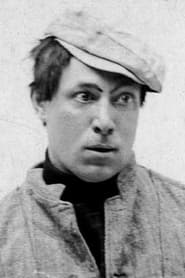
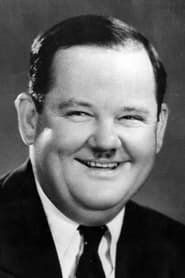
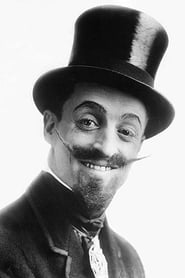
The Chief Cook
"Desk clerk owner Budd."
Keys: Space play/pause · ←/→ 10s · F fullscreen · M mute · </> speed
About this film
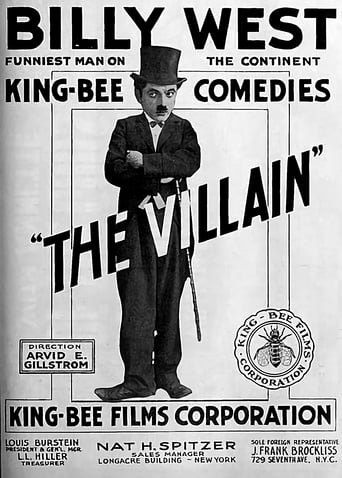
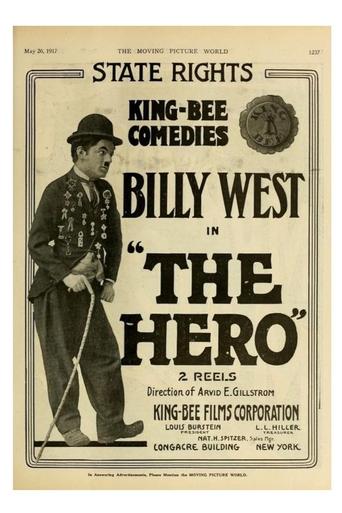
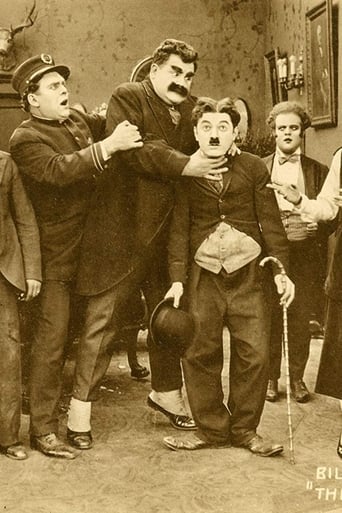
The men all trip over her, moan briefly and then leave. The film opens in the lobby of a small hotel, where the desk clerk/owner (Budd Ross) is addressing three members of staff: the cook, the waiter and the bellboy. Chaplin biographer Uno Asplund analyzes it as a "vaguely Chaplin" film that was sometimes even advertised with an image of Chaplin.
Cast & crew
More films like this
More Comedy films
View all →







More from Arvid E. Gillstrom
View all →
More about this film
About the production
Release dateJuly 1917
Box officeUnknown
ProductionKing Bee Studios
Filmed inLos Angeles, California
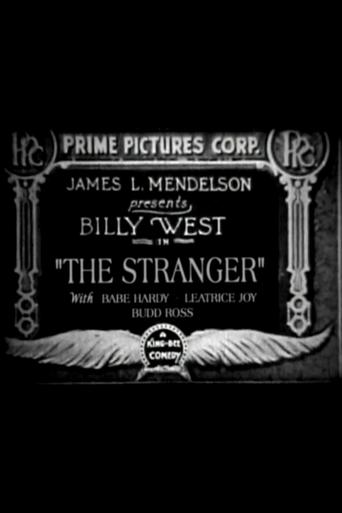
The Chief Cook was produced during the height of the silent comedy era when studios were churning out two-reel shorts at a rapid pace. Billy West, the star, was known for his Charlie Chaplin imitation and this film was part of a series of comedies he made for King Bee Studios. Oliver Hardy, who would later achieve worldwide fame as half of Laurel and Hardy, appears here in an early supporting role before his partnership with Stan Laurel began. The film was typical of the slapstick comedy style popular in 1917, featuring physical gags, exaggerated reactions, and fast-paced action sequences.
Themes
Workplace comedyClass dynamicsMistaken identityPhysical comedyService industry satire
Themes & topics
Historical background
The 1917 premiere of The Chief Cook belongs to the broader shift toward narrative features and recognizable genres.
Why this film matters
Festival and repertory screenings keep The Chief Cook in circulation among silent- and classic-film communities.
Making of
The production of The Chief Cook followed the factory-like efficiency common in Hollywood during the 1910s, with comedy shorts being produced in just a few days. Director Arvid E. Gillstrom worked with a regular troupe of comedy actors who understood the timing and physical requirements of slapstick humor. Billy West, who had developed his Chaplin-esque persona through years of vaudeville experience, would often improvise gags during filming. Oliver Hardy, still building his career before his partnership with Stan Laurel, was developing the larger-than-life character traits that would later make him famous. The hotel set was likely a simple construction on a studio backlot, designed to maximize the potential for physical comedy with its confined spaces and multiple doorways. The film was shot in the standard 35mm format of the era, with intertitles providing the dialogue and narrative exposition.
What critics said
Modern retrospectives screen The Chief Cook for craft context—pacing, performance, and camera choices of 1917.
Did you know?
- Billy West was widely known Charlie Chaplin imitators of the silent era, even being mistaken for Chaplin by audiences in some markets
- Oliver Hardy was still using his birth name 'Oliver Hardy' in this film, though he would sometimes be credited as 'Babe Hardy' in later works
- Director Arvid E. Gillstrom was a Swedish-born director who specialized in comedy shorts and worked frequently with both Billy West and Harold Lloyd
- The film was released just as the United States was entering World War I, reflecting the escapist entertainment audiences sought during wartime
- King Bee Studios was a short-lived production company that existed primarily to capitalize on Billy West's Chaplin-like popularity
- The character of the slavery maid played by Blanche White reflects the unfortunate racial stereotypes common in films of this era
- This was one of over 40 short comedies Billy West made between 1916 and 1921
- The film's title refers to the cook character, though the story actually follows multiple hotel employees
- Silent films of this period were typically accompanied by live musical scores that varied by theater and performance
- The physical comedy style in this film influenced later slapstick comedians, including The Three Stooges
Visual style
The cinematography of The Chief Cook was typical of comedy shorts from 1917, featuring static camera positions and wide shots that captured the full range of physical action. The camera work was functional rather than artistic, designed primarily to clearly present the slapstick gags without visual obstruction. The film likely used standard 35mm film stock with the orthochromatic process common to the era, which rendered colors in limited tones but was suitable for black and white comedy. Lighting was flat and even, prioritizing visibility over dramatic effect. The hotel set was designed to allow for clear sightlines and multiple entrances/exits to facilitate chase sequences and physical comedy routines.
Innovations
The Chief Cook did not feature any significant technical innovations, as comedy shorts of this era typically employed established techniques rather than experimenting with new technology. The film used standard editing practices of the period, including simple cuts and occasional iris shots for emphasis. The physical comedy effects were achieved practically through stunt work and timing rather than special effects. The film represents the refinement of existing comedy techniques rather than technical advancement, though its efficient production methods exemplified the industrialization of filmmaking that characterized Hollywood during this period.
Music
As a silent film, The Chief Cook was originally accompanied by live musical performances that varied by theater. Large urban theaters might have employed small orchestals to perform original scores or compiled classical pieces, while smaller venues typically used a pianist or organist. The music would have been synchronized to the on-screen action, with upbeat tempos for chase scenes and dramatic chords for moments of physical comedy. No original score survives, and modern screenings typically use period-appropriate compiled scores or newly composed music in the style of 1910s silent film accompaniment.
Famous quotes
No dialogue quotes available - silent film with intertitles
Memorable scenes
- The opening scene where the cook's animated arms repeatedly knock down the man behind him while the clerk is speaking, leading to the simultaneous resignation of all three employees
What audiences thought
Audiences in 1917 generally responded positively to The Chief Cook, as it delivered the kind of fast-paced physical comedy they expected from comedy shorts. Billy West's popularity as a Chaplin-like figure ensured good attendance for his films, though some audiences were reportedly confused about whether they were watching the real Chaplin. The film's simple plot and visual gags made it accessible to diverse audiences, including recent immigrants who might struggle with English intertitles. Modern audiences encountering the film through screenings at silent film festivals or archival collections typically appreciate it for its historical value and the opportunity to see a young Oliver Hardy before his fame.
Film connections
Influenced by
- Charlie Chaplin films
- Mack Sennett comedies
- Keystone Cops style
This film influenced
- Later hotel comedies
- Workplace comedy shorts of the 1920s
Film restoration
The preservation status of The Chief Cook is unclear, but like many silent shorts from this period, it may be partially or completely lost. Some fragments or copies might exist in film archives such as the Library of Congress, the Museum of Modern Art, or private collections. The survival rate for silent films is estimated at around 25%, with comedy shorts having a particularly low survival rate due to their perceived disposability at the time of production. Any surviving copies would likely be on 35mm nitrate film requiring careful preservation and potentially digital restoration.
Where to watch
- The Chief Cook is not currently available on major streaming platforms. Potential viewing opportunities include: Silent film festival screenings, Film archive collections (Library of Congress, UCLA Film & Television Archive), Specialized silent film DVD collections (if included), Private collector screenings, Potential inclusion in Billy West or Oliver Hardy retrospective collections