Arvid E. Gillstrom
Director
Born: July 15, 1884 in Gothenburg, Sweden Died: December 21, 1935 Active: 1916-1922 Birth Name: Arvid Emanuel Gillström
Films
9 films
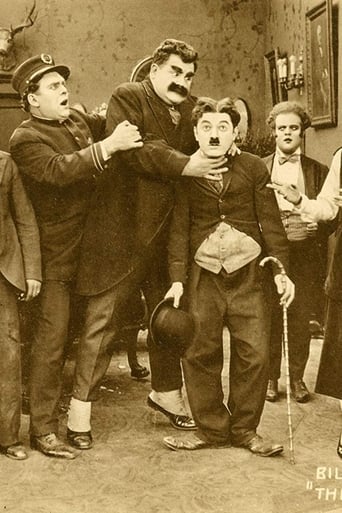
About Arvid E. Gillstrom
Swedish-born film director who worked primarily in American silent cinema during the early 20th century. He began his directorial career in the mid-1910s, working for various production companies including the Fox Film Corporation. Gillstrom was particularly active in 1917, directing numerous short comedy films that were typical of the era's rapid production schedules. His work often featured slapstick comedy and situational humor that was popular with audiences of the time. While his directorial career was relatively brief, he contributed to the development of early American comedy cinema during a crucial period of film history. After his active period in American cinema, Gillstrom's career trajectory becomes less documented, suggesting he may have returned to Europe or transitioned to other aspects of film production. His films, though largely forgotten today, represent the type of popular entertainment that filled nickelodeons and early movie theaters during the silent era.
The Craft
Behind the Camera
Gillstrom's directing style was typical of early silent comedy directors, emphasizing physical humor, sight gags, and rapid pacing. His films featured the exaggerated movements and facial expressions characteristic of the era's comedy, with clear visual storytelling that required minimal intertitles. He employed simple but effective camera techniques and staging that maximized comedic impact while working within the technical limitations of early film equipment.
Milestones
- Directed over 30 silent comedy shorts between 1916-1917
- Worked with Fox Film Corporation during their early comedy production period
- Directed films starring popular silent comedy actors like Billy West and Oliver Hardy
- Contributed to the development of American slapstick comedy format
- Transitioned from European cinema to American film industry during the silent era boom
Best Known For
Must-See Films
Working Relationships
Worked Often With
Studios
Why They Matter
Impact on Culture
Arvid E. Gillstrom contributed to the golden age of silent comedy shorts, a format that dominated American cinema in the 1910s and early 1920s. His films, while not groundbreaking, were part of the massive output of comedy content that shaped American popular culture and entertainment habits during the nickelodeon era. The rapid-fire, visually-driven comedy style he employed influenced later comedy directors and helped establish conventions that would persist throughout the silent era and into early sound films.
Lasting Legacy
Though largely forgotten by mainstream film history, Gillstrom's work represents the typical output of the hundreds of directors who formed the backbone of early Hollywood's production system. His films are valuable historical artifacts that document the evolution of American comedy cinema and the transition from European to American dominance in filmmaking. Film historians and silent cinema enthusiasts recognize his contributions as part of the collective effort that established Hollywood as the global center of film production.
Who They Inspired
Gillstrom's influence was primarily through his contribution to the development of the two-reel comedy format that became standard in American cinema. His work with actors like Oliver Hardy before Hardy's famous partnership with Stan Laurel represents an important stage in the development of classic American comedy teams. The visual comedy techniques he employed helped standardize approaches to slapstick that would influence generations of comedy filmmakers.
Off Screen
Arvid E. Gillstrom was born in Sweden and immigrated to the United States in the early 1910s, joining many European filmmakers who were drawn to America's burgeoning film industry. He married fellow Swedish immigrant Anna Lindquist in 1915, and they had two children together. The family settled in California, where Gillstrom worked primarily out of the Los Angeles area during his most active years in filmmaking. His later years were marked by declining health, and he passed away at the age of 51 in Los Angeles.
Education
Limited formal education in Sweden; likely self-taught in filmmaking through practical experience in early European cinema
Family
- Anna Lindquist (1915-1935)
Did You Know?
- Born in Sweden but worked almost exclusively in American cinema
- Directed over 30 films in a single year (1917), demonstrating the incredible productivity of early filmmakers
- Many of his films are now considered lost, a common fate for early silent shorts
- Worked with Oliver Hardy before Hardy's legendary partnership with Stan Laurel
- His films were typically 10-15 minutes long, the standard length for comedy shorts of the era
- Often worked with Billy West, a Charlie Chaplin imitator who was popular in the mid-1910s
- His directing career coincided with America's entry into World War I, which affected film production
- Like many early directors, he often wrote or contributed to the scripts of his films
- His Swedish heritage was part of the wave of Scandinavian talent that helped build early Hollywood
- Many of his films featured food-related themes, reflecting popular comedy tropes of the period
In Their Own Words
No documented famous quotes from Gillstrom, as directors of his era rarely received media attention
Frequently Asked Questions
Who was Arvid E. Gillstrom?
Swedish-born on YTB.my.
What films is Arvid E. Gillstrom best known for?
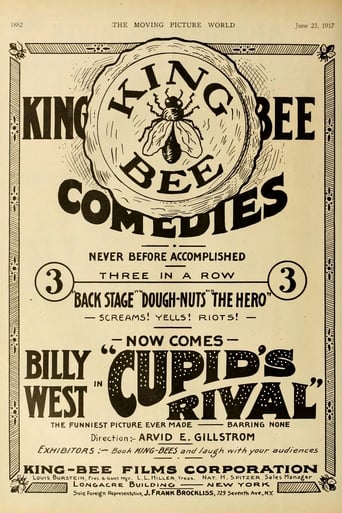
Titles linked here include The Candy Kid (1917), Cupid's Rival (1917).
When was Arvid E. Gillstrom born and when did he die?
Born July 15, 1884; died December 21, 1935.
What awards did Arvid E. Gillstrom win?
Gillstrom did not receive any major awards during his career, as was common for most directors working in comedy shorts during the silent era.
What was Arvid E. Gillstrom's directing style?
His directing style emphasized physical comedy, sight gags, and rapid pacing typical of silent era shorts, with clear visual storytelling that maximized comedic impact within technical limitations.