
Cupid's Rival
"Jealousy turns a hotel hallway into a battlefield."
Keys: Space play/pause · ←/→ 10s · F fullscreen · M mute · </> speed
About this film
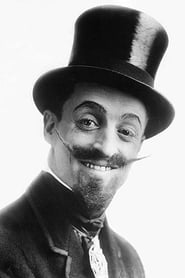
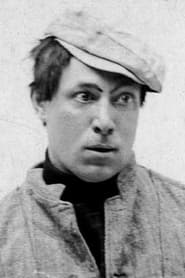
A bumbling janitor in a fleabag hotel drives the residents crazy, and a poor artist believes that his girlfriend is having an affair with a wealthy artist living across the hall, and takes unorthodox measures to find out what's going on.
Cast & crew
More films like this
More Comedy films
View all →







More from Arvid E. Gillstrom
View all →
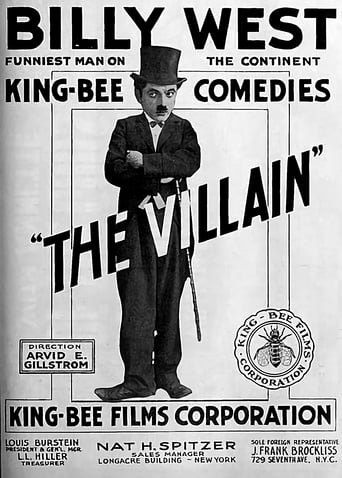
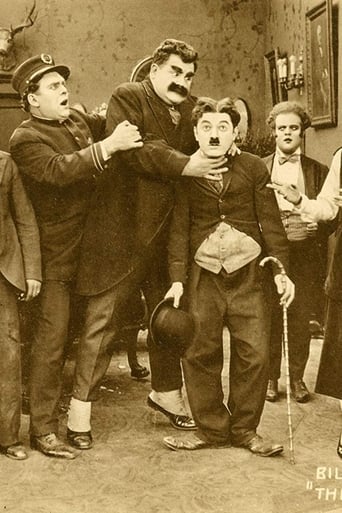
More about this film
About the production
Release dateFebruary 1917
ProductionKing Bee Studios
Filmed inJacksonville, Florida
This film was produced during the height of Jacksonville's brief period as a film production center before the industry consolidated in Hollywood. The production utilized the warm climate of Florida for year-round shooting, which was advantageous for silent film production. The hotel setting was likely a constructed set on the King Bee studio lot, typical of the efficient production methods of the era.
Themes
Themes & topics
Historical background
Cupid's Rival (1917) survives in catalogs and archives as a record of the silent era.
Why this film matters
Scholars and collectors reference Cupid's Rival when discussing how the silent era filmmakers addressed popular themes.
Making of
The production of 'Cupid's Rival' took place during Jacksonville's brief golden age as a film production hub from 1916-1917. King Bee Studios was one of several companies that took advantage of Florida's warm climate and varied locations before the industry's migration to California. Director Arvid E. Gillstrom worked extensively with Billy West, helping him perfect his Chaplin-inspired character. Oliver Hardy, who would later achieve worldwide fame as half of Laurel and Hardy, was still building his career in these comedy shorts, often playing supporting roles or villains. The film was likely shot quickly and efficiently, with minimal retakes due to the fast-paced production schedules of the era. The hotel set would have been designed for maximum comedic potential, with plenty of doors, corridors, and opportunities for physical comedy and slapstick mishaps.
What critics said
Trade coverage around 1917 discussed Cupid's Rival in terms of craft and audience appeal rather than blockbuster scale.
Did you know?
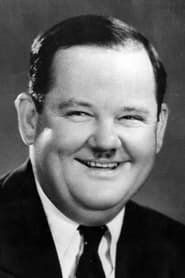
- This film features Oliver Hardy before his famous partnership with Stan Laurel, showing his early work in comedy shorts
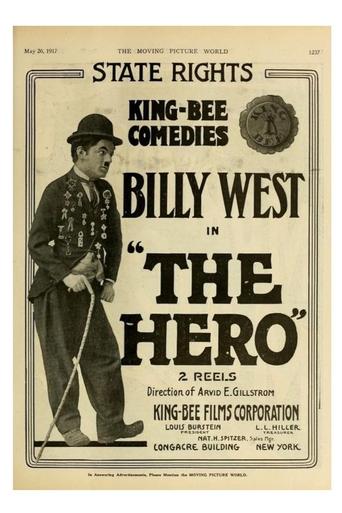
- Billy West was especially successful Charlie Chaplin impersonators of the silent era, and this film showcases his Chaplin-esque comedic style
- The film was produced by King Bee Studios, one of many production companies that briefly thrived in Jacksonville, Florida before the industry moved west to Hollywood
- Director Arvid E. Gillstrom was a Swedish-born director who specialized in comedy shorts and worked frequently with Billy West
- The film's title 'Cupid's Rival' refers to the romantic jealousy theme that drives the plot
- This was one of dozens of short comedies produced by the King Bee company in 1917 alone
- The film was likely shot in just a few days, typical of the rapid production schedules of silent comedy shorts
- Mary Ross, who plays the female lead, was a frequent co-star of Billy West during this period
- The hotel setting was a common backdrop for comedy shorts of this era, allowing for multiple characters and intersecting storylines
- This film survives today and is available through various silent film archives and online platforms
Visual style
The cinematography in 'Cupid's Rival' follows the standard practices of 1917 comedy shorts, with static camera positions and wide shots designed to capture the full range of physical comedy. The camera work emphasizes clarity over artistry, ensuring that audiences could follow the rapid slapstick action and character movements. The hotel setting allowed for deep staging with multiple planes of action, a technique commonly used in comedy shorts to maximize the number of gags visible in each frame. The black and white photography utilizes high contrast to emphasize the visual comedy, with careful attention to lighting the sets to ensure visibility of the performers' expressions and movements. The film likely used the standard 35mm film format of the era, with the typical aspect ratio of 1.33:1.
Music
As a silent film, 'Cupid's Rival' would have been accompanied by live musical performance during its original theatrical run. The typical accompaniment would have included a pianist or small orchestra playing popular songs of the era, classical pieces, and improvised music timed to the on-screen action. For comedic moments, musicians would often play jaunty, upbeat tunes, while romantic scenes would be accompanied by sentimental melodies. No original score was composed specifically for this film, as was common for shorts of this period. Modern screenings typically use appropriate period music or newly composed scores that capture the spirit of silent film accompaniment.
Memorable scenes
- The climactic hotel corridor chase sequence where the janitor's incompetence collides with the artist's jealous investigation, resulting in a chaotic collision of characters, doors slamming, and physical comedy that typifies the best of silent era slapstick humor
What audiences thought
Audiences in 1917 generally received 'Cupid's Rival' and similar Billy West comedies warmly, as they provided reliable entertainment during the popular short film portion of theater programs. The combination of slapstick humor, romantic misunderstandings, and physical comedy appealed to the broad audiences of the silent era. Billy West's Chaplin-esque character was familiar and comforting to moviegoers who couldn't get enough of Chaplin's films. The presence of recognizable character actors like Oliver Hardy added to the appeal for regular filmgoers. Modern audiences who discover this film through silent film screenings or online platforms often find it charming for its historical value and as an example of early 20th century comedy sensibilities.
Film connections
Influenced by
- Charlie Chaplin films
- Mack Sennett comedies
- Keystone Studios style
This film influenced
- Later hotel-set comedies
- Slapstick shorts of the 1920s
Film restoration
The film survives and is preserved in various film archives, including the Library of Congress and other silent film collections. Prints exist in 16mm and digital formats, making it accessible to modern audiences.
Where to watch
- Internet Archive
- Silent Hall of Fame
- Various public domain streaming platforms
- Film archive screenings