
The Hobo
"Hobo havoc at the depot"
Keys: Space play/pause · ←/→ 10s · F fullscreen · M mute · </> speed
About this film
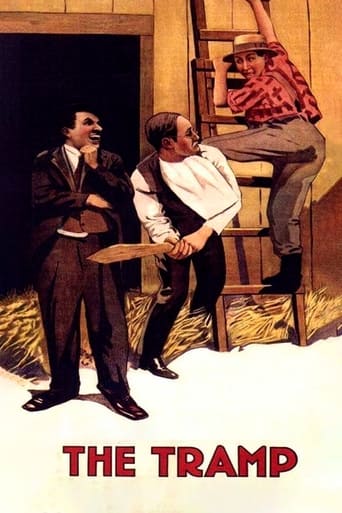
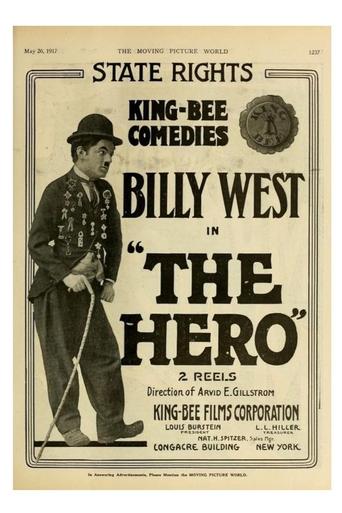
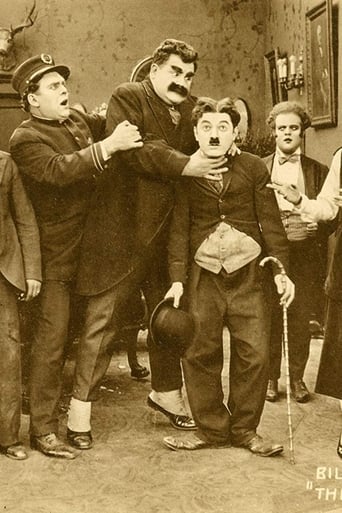
Arvid Gillstrom's Billy the hobo disrupts a train station ticket office, lunch counter, and patrons. Billy is a hobo who hangs around the train station. He creates disruption in the ticket office, at the lunch counter, and in the lives of some of the customers.
Cast & crew
More films like this

More Comedy films
View all →







More from Arvid E. Gillstrom
View all →
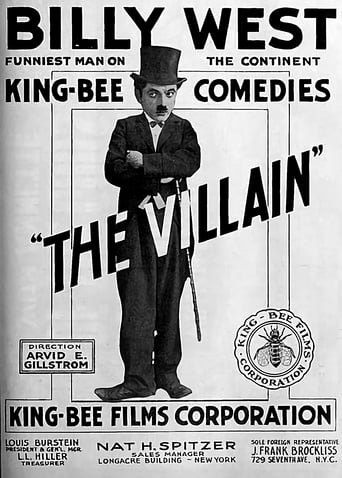
More about this film
About the production
Release dateMarch 1917
ProductionKing Bee Studios
Filmed inLos Angeles, California
This was one of many short comedies produced by King Bee Studios during the silent era, filmed on their studio backlot which included a train station set frequently used in their productions. The film was shot quickly, typical of the rapid production schedule of comedy shorts in 1917.
Themes
Social disruptionClass differencesComedy of errorsTransienceUrban chaos
Themes & topics
Historical background
1917 placed The Hobo within United States cinema as King Bee Studios navigated wartime markets, immigration audiences, and the shift from intertitles to sound.
Why this film matters
Archivists revisit The Hobo (1917) for Arvid E. Gillstrom style, genre norms at King Bee Studios, and the exhibition context of 20 minutes programming.
Making of
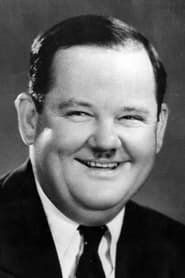
The production of 'The Hobo' was typical of the factory-like efficiency of silent comedy studios. King Bee Studios specialized in rapid-fire production of two-reel comedies, often completing films in just a few days. Billy West, the star, was under contract to produce multiple films per month, leading to formulaic but efficient filmmaking. The train station set was a permanent fixture on the King Bee lot, reused for multiple productions. Oliver Hardy, who would later become half of the comedy duo Laurel and Hardy, was still building his career and appeared in numerous supporting roles during this period. Director Arvid E. Gillstrom worked with a small crew and relied heavily on improvisation and the physical comedy skills of his actors. The film was likely shot in sequence to save time and maintain continuity in the gags.
What critics said
Retrospective writing on The Hobo stresses craft by Arvid E. Gillstrom, print survival, and repertory value rather than opening-week gross alone.
Did you know?
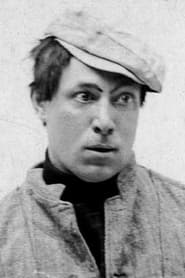
- This film was part of the Billy West comedy series, where West intentionally imitated Charlie Chaplin's Tramp character, complete with similar costume and mannerisms
- Oliver Hardy appears in this film before his partnership with Stan Laurel began in 1927
- Director Arvid E. Gillstrom was Swedish-born and directed over 100 films during his career, mostly comedies
- King Bee Studios was known for producing low-budget comedies that often borrowed heavily from more successful films and stars
- The train station setting was a common backdrop for silent comedies as it provided natural opportunities for physical comedy and character interactions
- Billy West was one of several Chaplin imitators who found moderate success during the 1910s
- The film was released during World War I, a time when comedy films were particularly popular as escapist entertainment
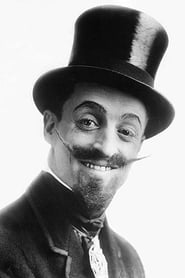
- Leo White, who appears in the film, was a German-born actor who often played villainous or comedic roles in silent films
- This was one of dozens of short comedies produced by King Bee in 1917 alone
- The film's gags include classic silent comedy tropes such as mistaken identity, physical mishaps, and food-related humor
Visual style
The cinematography of 'The Hobo' was typical of 1917 comedy shorts, utilizing static camera positions and wide shots to capture the physical comedy and action. The camera was likely hand-cranked, resulting in variable frame rates that could exaggerate the speed of movements for comic effect. The train station setting allowed for natural lighting through large windows or glass ceilings, common in studio sets of the era. The cinematographer would have focused on ensuring clear visibility of the actors' movements and expressions, crucial for silent comedy. Long takes were probably used extensively to maintain the flow of gags and minimize editing. The visual style prioritized clarity and functionality over artistic innovation, serving the comedy rather than creating distinctive imagery.
Innovations
The film does not feature notable technical achievements, as it was a standard production for its time and budget level. The technical aspects were functional rather than innovative, using established techniques of the period. The film was likely shot on 35mm film with standard cameras of the era. Editing would have been done on flatbed editors with manual splicing techniques. The train station set construction represents the studio system's efficiency in creating reusable locations. The film's value lies not in technical innovation but in its preservation of early comedy filmmaking techniques and the documentation of performers before they achieved greater fame. The production represents the industrial efficiency of the Hollywood studio system during the silent era.
Music
As a silent film, 'The Hobo' had no synchronized soundtrack. During its original theatrical run, it would have been accompanied by live music, typically a pianist or small theater orchestra. The musical accompaniment would have been improvised or selected from standard mood music libraries, with upbeat, jaunty tunes for comedic moments and more dramatic music for tension scenes. The score would have followed the action closely, emphasizing physical gags with musical stings and maintaining energy throughout. Modern screenings of the film often feature newly composed scores or period-appropriate music to recreate the silent film experience. The lack of dialogue meant that music played a crucial role in setting tone and enhancing the comedic timing of the visual gags.
Famous quotes
No recorded dialogue exists as this is a silent film
Memorable scenes
- The opening sequence where Billy West's hobo character disrupts the ticket office, creating confusion among passengers and staff
- The lunch counter scene featuring escalating food-related gags and physical comedy
- The climactic chase sequence through the train station involving multiple characters and slapstick mishaps
What audiences thought
Audience reception in 1917 was likely positive, as comedy shorts were reliable crowd-pleasers during theater programs. The familiar gags and physical comedy would have entertained audiences seeking lighthearted entertainment during wartime. Billy West's Chaplin-esque character was recognizable to audiences of the period, though he never achieved Chaplin's level of popularity. The film's brief runtime and straightforward humor made it suitable for the varied programming of movie theaters, which typically included newsreels, short subjects, and feature films. Modern audiences encountering the film through archives or special screenings often appreciate it as a window into early comedy styles, though some may find the pacing and humor dated compared to later comedy classics.
Film connections
Influenced by
- Charlie Chaplin's Tramp character
- Mack Sennett comedy style
- Keystone Studios productions
This film influenced
- Later Billy West comedies
- Other King Bee productions
- Early Oliver Hardy solo appearances
Film restoration
The film is believed to survive in archives, though its preservation status is not extensively documented. Many King Bee Studios films have survived through collector prints and archive holdings. The film exists in the public domain due to its age. Quality of surviving prints may vary depending on storage conditions over the past century. Some archives may hold 35mm or 16mm copies of the film. The film has likely been digitized by film preservation organizations dedicated to silent cinema.
Where to watch
- Internet Archive (public domain)
- Silent Hall of Fame website
- Various public domain streaming platforms
- Film archive special screenings
- Silent film festival programs