


So's Your Old Man
"Gregory La Cava directs this comedy of errors, starring W.C."
Keys: Space play/pause · ←/→ 10s · F fullscreen · M mute · </> speed
About this film
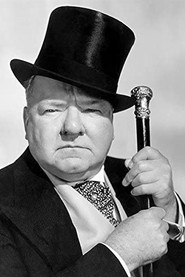
Fields as a hen-pecked, inebriated inventor who triumphantly creates unbreakable windshield glass while struggling to gain the respect of his social-climbing daughter and nagging wife. Clarkson Miller based on the story "Mr. Bisbee's Princess" by Julian Leonard Street as adapted by Howard Emmett Rogers. Gregory La Cava directs this comedy of errors, starring W.C.
Cast & crew
More films like this
More Comedy films
View all →







More from Gregory La Cava
View all →
More about this film
About the production
Release dateOctober 11, 1926
ProductionParamount Pictures
Filmed inParamount Studios, Hollywood, California
This was one of W.C. Fields' earliest starring roles in a feature film, showcasing his unique comic persona that would later make him a legend. The film was shot during the transition period of silent cinema, just before the advent of sound. Fields was given considerable creative freedom to improvise many of his comic routines and gags, a practice that would become his trademark throughout his career.
Themes
The misunderstood inventorFamily dynamics and generational conflictSocial climbing and class consciousnessThe triumph of the underdogThe conflict between individuality and social conformity
Themes & topics
inventorunbreakable glassfamily conflictsocial climbingcomedy of errorsunderdog storysuicide attemptrecognitionfather-daughter relationshipalcoholism
Historical background
Made in 1926, in United States, under Gregory La Cava, So's Your Old Man belongs to silent filmmaking amid the silent era's rapid stylistic experiments. So's Your Old Man is a 1926 American silent comedy film directed by Gregory La Cava and starring W.
Why this film matters
Within silent history, Gregory La Cava's name attaches to the work; surviving prints help researchers study silent-era craft; 1926 film by Gregory La Cava.
Making of
The production was marked by W.C. Fields' insistence on improvisation and his reluctance to follow scripts verbatim. Gregory La Cava, understanding Fields' comedic genius, allowed him considerable freedom to ad-lib and modify scenes. The famous unbreakable glass demonstration sequence was largely developed by Fields himself during rehearsals. The production team had to carefully choreograph the various glass-breaking gags to ensure they would be both comic and safe. Fields' drinking habits during filming were, though he maintained he was more professional than his public persona suggested. The film was shot quickly and efficiently by Paramount standards, as the studio was still uncertain about Fields' bankability as a leading man.
What critics said
Contemporary reviews of So's Your Old Man are sparse in open sources; later catalog entries chiefly summarize plot and credits.
Did you know?
- W.C. Fields' character Sam Bisbee was based on his own vaudeville persona of the inept but lovable drunk
- The film was remade in 1934 as 'You're Telling Me!' with Fields reprising essentially the same role
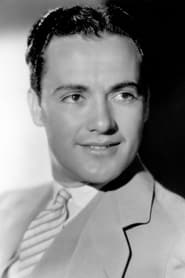
- Charles 'Buddy' Rogers, who plays the daughter's boyfriend, would later become famous as the male lead in 'Wings' (1927)
- Alice Joyce, who plays Fields' wife, was a major silent film star making a comeback in this film
- Director Gregory La Cava was a former animator who brought a visual flair to his comedy films
- The unbreakable glass demonstration scene became one of Fields' most famous early film routines
- The film's title was a common slang expression of the era, equivalent to saying 'So what?' or 'That's your problem'
- Fields performed his own stunts in the film, including the disastrous glass demonstration sequence
- The princess character who saves Fields was played by Kitty Kelly, who would later become a noted Broadway actress
- This film helped establish the template for Fields' 'everyman vs. society' comedy persona
Visual style
The cinematography by James Wong Howe employed the standard techniques of mid-1920s comedy filming, with relatively static camera placement to highlight the performers' physical comedy. Howe, who would become one of Hollywood's most renowned cinematographers, used careful lighting to emphasize Fields' expressive features and comic timing. The glass-breaking sequences required special technical considerations to ensure the gags would read clearly on film. The film's visual style was typical of Paramount productions of the era - clean, professional, and focused on clarity over artistic experimentation. Howe's work showed early signs of the innovative techniques that would later make him famous, particularly in his use of shadows to enhance the comedy's dramatic moments.
Innovations
The film's primary technical achievement was in the execution of the various glass-breaking gags, which required careful preparation and timing. The special effects team developed several techniques for creating the illusion of unbreakable glass that would suddenly shatter. The production also utilized the latest camera and lighting equipment available at Paramount Studios in 1926. While not groundbreaking in technical terms, the film demonstrated solid craftsmanship typical of major studio productions of the era. The film's pacing and editing effectively supported the comedy, with tight cutting during physical comedy sequences.
Music
As a silent film, So's Your Old Man would have been accompanied by live musical performance in theaters. The original cue sheets suggested a mix of popular songs of the era and classical pieces to underscore the action. Comedic moments were typically accompanied by light, playful music, while dramatic scenes used more serious compositions. The score likely included pieces like 'Yes, We Have No Bananas' and other popular 1920s songs to maintain contemporary relevance. The musical accompaniment was crucial to silent comedy, helping to pace the action and emphasize the emotional beats of the story.
Famous quotes
If at first you don't succeed, try, try again. Then quit. There's no point in being a damn fool about it." - Sam Bisbee
I never met a man I didn't like... until I met him." - Sam Bisbee
A thing worth having is a thing worth cheating for." - Sam Bisbee
Memorable scenes
- The disastrous unbreakable glass demonstration where Sam's invention spectacularly fails in front of potential investors and his daughter's boyfriend's family
- Sam's contemplation of suicide on a bridge, interrupted by the princess who mistakes him for someone else
- The final scene where Sam's invention is proven successful during a real automobile accident, leading to his vindication and success
What audiences thought
The film was well-received by audiences of 1926, who appreciated W.C. Fields' comic antics and the film's blend of slapstick and situational comedy. Movie theaters reported good attendance, particularly in urban areas where Fields' vaudeville reputation was still known. The film's relatable themes of family dynamics and the desire for recognition resonated with working-class audiences. While not as commercially successful as some of the major comedies of the era featuring Chaplin or Keaton, it performed solidly enough to establish Fields as a viable film star. Audience response was particularly positive to the physical comedy sequences and Fields' underdog triumph at the film's conclusion.
Film connections
Influenced by
- Fields' own vaudeville routines
- The tradition of American slapstick comedy
- Chaplin's tramp character as an underdog figure
- Contemporary films about inventors and innovation
This film influenced
- You're Telling Me! (1934) - Fields' remake of this film
- The Bank Dick (1940) - Fields' later film with similar themes
- Never Give a Sucker an Even Break (1941) - Fields' final film
Film restoration
The film survives in complete form and has been preserved by major film archives. A 35mm print exists in the Library of Congress collection. The film has been restored and is available on DVD through various classic film distributors. While not as widely circulated as some of Fields' later work, it is considered to be in good preservation condition for a film of its era.
Where to watch
- Available on DVD from The Criterion Collection
- Streaming on The Criterion Channel
- Available on various classic film streaming platforms
- Occasionally shown on Turner Classic Movies
- Available for purchase or rental on Amazon Prime Video