
Marcia Harris
Actor
Born: February 14, 1868 in Providence, Rhode Island, USA Died: June 18, 1947 Active: 1915-1926
Films
8 films
About Marcia Harris
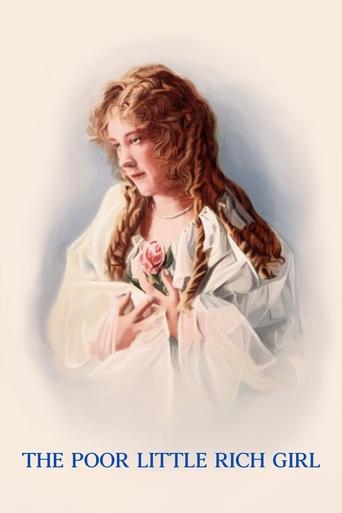
Character actress of the silent era who began her career on the Broadway stage before transitioning to films in her late 40s. Born in 1868, she brought maturity and gravitas to her supporting roles, often portraying mothers, aunts, and society matrons in productions from 1915 to 1926. Her most productive period was the late 1910s through mid-1920s, where she worked with prominent directors like D.W. Griffith and appeared in notable films including 'The Poor Little Rich Girl' starring Mary Pickford. Harris was particularly effective at conveying warmth and wisdom in her maternal roles, making her a reliable presence in ensemble casts. After the transition to sound films, she largely retired from acting, returning to her roots in theater. Her film career, while relatively brief, left a lasting impression on silent cinema through her memorable character performances.
The Craft
On Screen
Naturalistic and understated, Harris brought theatrical gravitas to her film roles with a dignified presence and expressive eyes. She specialized in portraying maternal figures with warmth and authority, using subtle gestures and facial expressions characteristic of stage-trained actors transitioning to silent cinema. Her performances were marked by emotional authenticity and a commanding yet gentle demeanor that made her ideal for society matron and mother roles.
Milestones
- Stage debut on Broadway in the early 1890s
- Film debut in 'The Battle Cry of Peace' (1915)
- Memorable role as Mary Pickford's mother in 'The Poor Little Rich Girl' (1917)
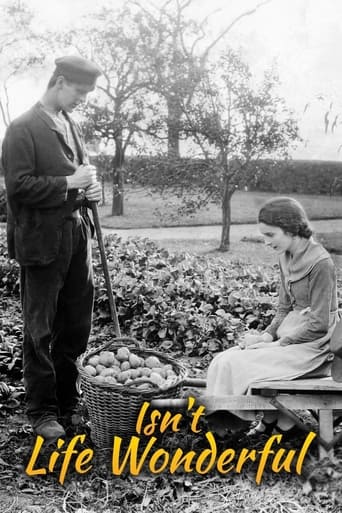
- Collaboration with D.W. Griffith on 'Isn't Life Wonderful' (1924)
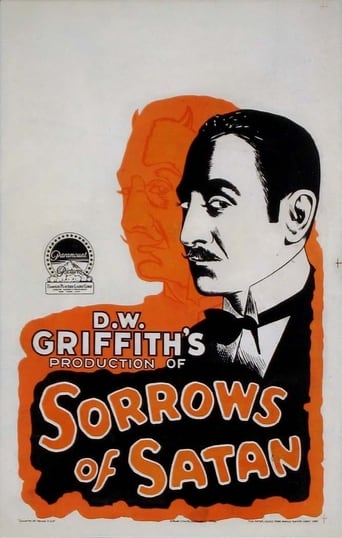
- Final film appearance in 'The Sorrows of Satan' (1926)
Best Known For
Iconic Roles
Must-See Films
Working Relationships
Worked Often With
Studios
Why They Matter
Impact on Culture
Marcia Harris represented the important bridge between 19th-century stage acting and early 20th-century cinema, bringing theatrical legitimacy to the emerging film medium. Her mature, dignified presence helped establish the archetype of the wise maternal figure in American cinema, influencing how mothers and older women would be portrayed in subsequent films. As one of the few established stage actresses to successfully transition to silent films in middle age, she demonstrated that film acting could accommodate performers of all ages and backgrounds.
Lasting Legacy
Though largely forgotten today, Marcia Harris made a lasting contribution to silent cinema through her consistent and reliable character performances. Her work in major productions of the 1910s and 1920s helped establish the importance of supporting characters in narrative films, proving that compelling storytelling required more than just charismatic leads. Her career trajectory from stage to screen exemplifies the broader evolution of American performing arts during the early 20th century.
Who They Inspired
Harris influenced subsequent generations of character actresses by demonstrating the value of maturity and life experience in film performances. Her naturalistic approach to maternal roles helped move away from the exaggerated acting styles common in early cinema toward more subtle, emotionally authentic performances. Younger actresses who worked with her benefited from her theatrical training and professional experience, carrying forward her emphasis on dignity and restraint in character acting.
Off Screen
Marcia Harris remained unmarried throughout her life, dedicating herself entirely to her acting career on both stage and screen. She was known as a private individual who maintained professional relationships with her colleagues but kept her personal affairs away from public scrutiny. After retiring from films, she continued to live in New York City where she had established her theatrical career decades earlier.
Education
Educated in Providence, Rhode Island; likely received formal theatrical training given her early stage success
Did You Know?
- Began her film career at age 47, relatively late for the era
- Was a successful Broadway actress for over 20 years before appearing in films
- Often played characters much older than her actual age
- Appeared in over 40 films during her 11-year film career
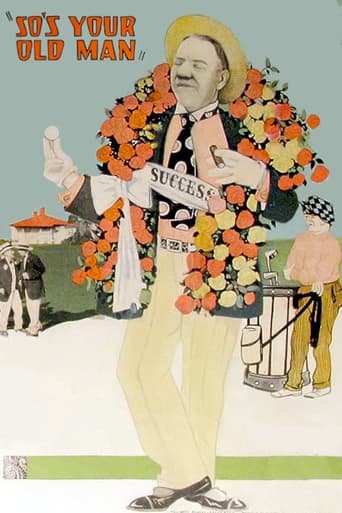
- Worked with both Mary Pickford and W.C. Fields, two of the era's biggest stars
- Was part of D.W. Griffith's ensemble cast in the mid-1920s
- Retired from films just as the transition to sound began
- Never married or had children, unusual for women of her generation
- Maintained her New York residence throughout her film career
- Was known for her professionalism and reliability on film sets
In Their Own Words
The stage teaches you discipline that the camera cannot provide
Age is an asset in character acting, not a liability
Silence requires more expression than words ever could
Frequently Asked Questions
Who was Marcia Harris?
American character actress who had a successful career on Broadway before transitioning to silent films in her late 40s. She was known for playing maternal roles and society matrons in films from 1915 to 1926, working with major stars like Mary Pickford and W.C. Fields.
What films is Marcia Harris best known for?
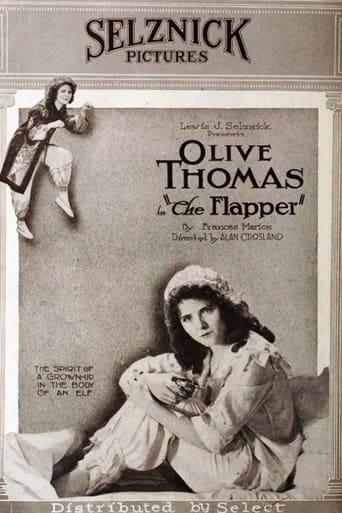
Titles linked here include The Poor Little Rich Girl (1917), The Flapper (1920).
When was Marcia Harris born and when did she die?
Born February 14, 1868; died June 18, 1947.
What awards did Marcia Harris win?
Marcia Harris did not receive any major film awards during her career, as this was before the establishment of the Academy Awards and other major film honors. Her recognition came primarily from critical praise for her reliable character performances and the respect of her industry colleagues.
What was Marcia Harris's acting style?
Harris brought a theatrical gravitas to her film roles, characterized by naturalistic and understated performances. As a stage-trained actress, she used subtle gestures and expressive eyes to convey emotion, specializing in warm, dignified maternal figures that provided emotional anchors in ensemble casts.