Gregory La Cava
Director
Born: March 10, 1892 in Towanda, Pennsylvania, USA Died: March 1, 1952 Active: 1920s-1941
Films
5 films
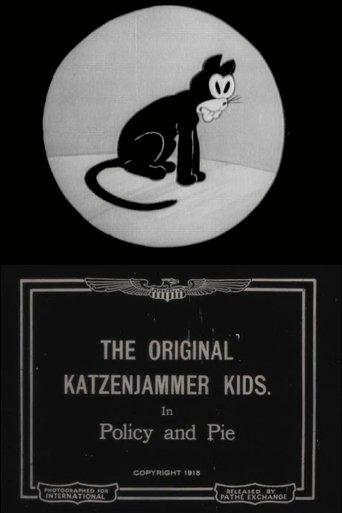
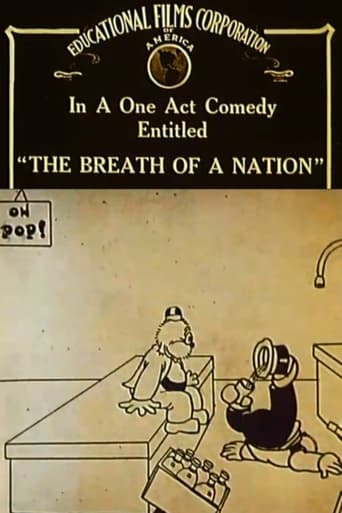
About Gregory La Cava
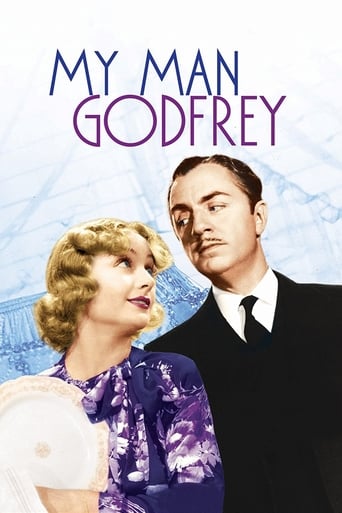
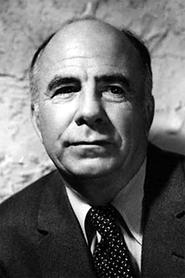
American film director and writer: career bridged the silent era and the golden age of early sound comedy. Born in Towanda, Pennsylvania, he began in animation and newspaper cartooning before moving into motion pictures, a background that helped give his films a lively sense of visual humor and character observation. During the 1920s he developed a reputation as a resourceful silent-era director, working in comedy and light drama at a time when the industry was rapidly standardizing its style. He made a highly successful transition to sound, and in the 1930s became especially celebrated for sophisticated social comedies that mixed screwball energy with sharp class satire and a surprising sympathy for eccentrics. His greatest critical triumph was My Man Godfrey (1936), a defining screwball comedy that showcased his gift for balancing elegance, wit, and human warmth. La Cava’s career was comparatively brief at the top level, but he remained distinctive American directors of the 1930s, admired for coaxing natural performances and for films that felt both stylish and emotionally alert. He died in 1952, leaving behind a compact but influential body of work that has remained a touchstone for later comedy directors.
The Craft
Behind the Camera
La Cava's directing style is generally associated with sharp comic timing, fluid pacing, and an unusually humane eye for socially out-of-step characters. He favored lively ensemble interaction and often drew natural, unstilted performances from actors, which helped his comedies feel spontaneous even when carefully constructed. His films frequently combine satire with affection, allowing him to critique wealth, manners, and social pretension without losing sympathy for the people caught in those systems. He was especially adept at balancing breezy sophistication with emotional undercurrents, a quality that gives his best work lasting depth beyond its comic surface. In the sound era, his direction often emphasized verbal wit, elastic ensemble blocking, and a sense of controlled chaos that became a hallmark of screwball comedy.
Milestones
- Began his career in animation and newspaper cartooning before moving into motion-picture direction, giving his films a strong visual and comic instinct.
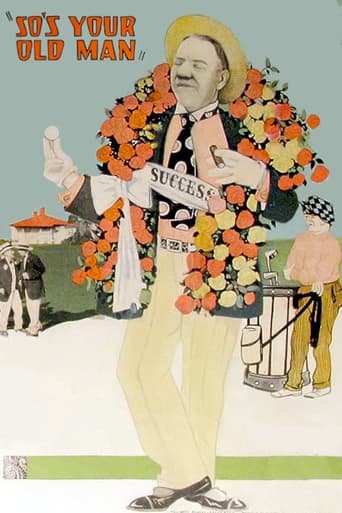
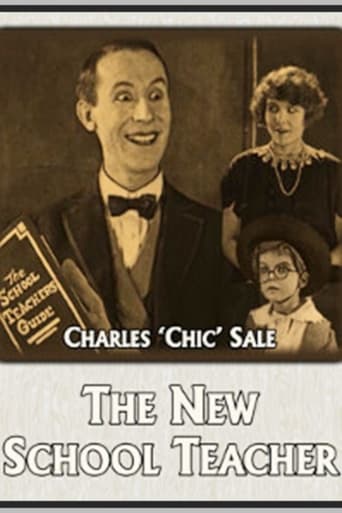
- Directed silent-era pictures such as The New School Teacher (1924) and So's Your Old Man (1926), establishing himself as a dependable comedy director.
- Made a successful transition to sound filmmaking and became one of Hollywood's most distinctive directors of sophisticated comedy in the 1930s.
- Directed My Man Godfrey (1936), widely regarded as his masterpiece and.
- Worked with major stars including William Powell, Carole Lombard, Constance Bennett, Katharine Hepburn, and Irene Dunne.
- Earned an Academy Award nomination for Best Director for My Man Godfrey.
- Helped define a style of comedy that blended class commentary, emotional generosity, and brisk comic rhythm.
Best Known For
Must-See Films
Accolades
Won
- Academy Award nomination for Best Director for My Man Godfrey (1936)
Nominated
- Academy Award for Best Director nomination for My Man Godfrey (1936)
Special Recognition
- Recognized as one of the key directors of screwball comedy in classic Hollywood cinema
Working Relationships
Worked Often With
Studios
Why They Matter
Impact on Culture
Gregory La Cava helped shape the language of American screwball comedy at a moment when Hollywood was discovering how to translate class friction, romantic combat, and social absurdity into fast-paced sound cinema. My Man Godfrey in particular became a benchmark for sophisticated comedy, influencing how later filmmakers would balance wit, romance, and satire within a commercially accessible framework. His films often treated wealthy households, urban society, and “outsider” characters with a mix of irony and compassion that felt unusually modern for the period. Because he could make sharp social observation feel light and entertaining, La Cava occupied an important place in the evolution of Hollywood comedy beyond simple slapstick. His work also demonstrated that comedy directors could achieve both box-office appeal and critical respect, helping elevate the genre’s artistic standing.
Lasting Legacy
La Cava's lasting legacy rests on the fact that his best films remain reference points for the screwball tradition and for ensemble comedy more broadly. My Man Godfrey is still frequently cited among the essential comedies of the 1930s, and Stage Door is remembered for its crackling wit and rich character writing. He left behind a relatively small but unusually consistent body of work that showcases a director who understood performers, timing, and the emotional rhythm of comedy. Later generations of filmmakers studying classic Hollywood often encounter La Cava as an example of how a director can combine social satire with genuine affection for flawed people. His influence endures less through imitation of a signature visual style than through the continuing appeal of the tonal balance he achieved: elegance, chaos, and humanity in the same frame.
Who They Inspired
La Cava influenced later comedy filmmakers by showing how to stage fast, verbally driven ensemble scenes without losing character individuality. His films helped define the rhythm and attitude of screwball comedy, a genre that would inform later American romantic comedies, social satires, and character-driven farces. Directors interested in mixing class commentary with affection for eccentric behavior have often found a model in his work. He also influenced performance style in comedy by favoring naturalness and spontaneity over rigidly mechanical gag delivery. In classic Hollywood history, he stands as a director whose understated craftsmanship quietly shaped the genre's development.
Off Screen
Gregory La Cava kept much of his personal life out of the public spotlight, and surviving biographical information emphasizes his professional reputation more than intimate family detail. He was married, but detailed public records about his domestic life are comparatively sparse in standard film-reference sources. Like many directors of his generation, he appears to have preferred maintaining a low profile outside the studio system, letting his films rather than publicity define his identity. His background in cartooning and animation suggests an early creative life grounded in drawing and visual storytelling before he entered features.
Education
Formal educational details are not well documented in standard film histories; he is best known for his early work in cartooning, animation, and newspaper illustration rather than for a notable film-school or university background.
Family
- Information not reliably documented in the available classic-cinema record
Did You Know?
- Before becoming a film director, La Cava worked in cartooning and animation, a background that contributed to the visual wit of his films.
- He directed both silent films and early sound films, making him one of the directors who successfully adapted to the industry's most disruptive transition.
- My Man Godfrey is often cited as one of the definitive screwball comedies of the 1930s.
- La Cava was known for getting especially relaxed, natural performances from actors in comedy ensembles.
- His films frequently deal with class differences, wealthy households, and outsiders disrupting social order.
- He directed Stage Door, which became famous for its sharp backstage dialogue and strong female ensemble.
- Despite his importance, he is often less publicly remembered than some of the stars he directed, even though his work remains highly regarded by film historians.
Frequently Asked Questions
Who was Gregory La Cava?
American on YTB.my. He began in cartooning and animation before moving into features, and his films are admired for their wit, human warmth, and social satire.
What films is Gregory La Cava best known for?
Titles linked here include My Man Godfrey (1936), Stage Door (1937).
When was Gregory La Cava born and when did he die?
Born March 10, 1892; died March 1, 1952.
What awards did Gregory La Cava win?
He is chiefly known for an Academy Award nomination for Best Director for My Man Godfrey (1936). Standard film references do not widely list major competitive awards beyond that Oscar nomination, though his reputation in film history is very strong.
What was Gregory La Cava's directing style?
La Cava's directing style mixed brisk comic timing with a humanistic view of his characters. He excelled at ensemble scenes, social satire, and making polished studio comedies feel lively and spontaneous.
What was Gregory La Cava's legacy in classic Hollywood?
His legacy rests on helping define the tone and rhythm of screwball comedy in the 1930s. He showed that comedies could be both entertaining and socially observant, and his best films remain important examples of classic Hollywood craftsmanship.