The Breath of a Nation
Plot
Prohibition has just gone into effect, and Judge Rummy’s household is thrown into comic turmoil when his wife enthusiastically disposes of his liquor supply and plans to use him as a cautionary example for a visiting temperance lecturer. Rather than endure the lecture, Judge Rummy wanders off and discovers that Silk Hat Harry’s soda fountain has become the local sensation. Curious about the crowds, he investigates and learns that Harry has devised an apparently harmless-looking substitute for alcoholic drinks. Once Judge Rummy samples the concoction, the comic premise escalates as the substitute produces wildly exaggerated effects on those who drink it, turning the temperance-era setting into a satirical fantasy about vice, reform, and intoxicating mimicry. The film plays as a short, fast-moving gag cartoon built around Prohibition anxieties, with Judge Rummy’s domestic predicament and Harry’s soda-fountain enterprise driving the story toward increasingly absurd results.
Director
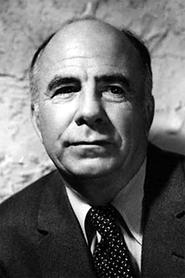
Gregory La CavaAbout the Production
This was an early animated short made during the transition from World War I-era topical humor into the postwar period of social satire, and it uses Prohibition as a timely comic hook rather than as a sustained dramatic subject. The film appears to have been produced as part of the Judge Rummy cartoon series associated with newspaper comic-strip adaptation, a common practice in the silent era when animation studios drew heavily on popular print properties. As with many cartoons of the period, detailed production records such as budget, box office, and precise studio process notes are not well documented in surviving sources. The title is sometimes cataloged in connection with Gregory La Cava’s early work in animation, reflecting his involvement in the period before his later fame as a live-action director.
Historical Background
The film was released in 1919, the same year the United States ratified the Eighteenth Amendment and entered the Prohibition era. That moment transformed alcohol from a familiar social commodity into a politically charged subject of reform, mockery, anxiety, and underground commerce, making it ideal material for comedy. Animated shorts of the period frequently addressed current events in simplified, exaggerated form, helping audiences process social change through humor. The Breath of a Nation matters as a small but revealing artifact of how quickly popular cinema reacted to national policy shifts, and how early animation participated in public debate by turning a major moral campaign into a gag-driven fantasy.
Why This Film Matters
Although not a landmark feature, the film is culturally interesting because it captures the immediate comic afterlife of Prohibition in American popular entertainment. Its setup contrasts temperance reform with the persistence of drinking culture by imagining a substitute beverage that recreates the pleasures and chaos of alcohol, a joke that resonated in a nation newly confronting legal restrictions. The film also illustrates how early animation served as a flexible medium for satire, able to comment on contemporary issues in a way that was lively, accessible, and visually broad. For historians, it is significant as an example of how comic strips, cartoons, and social commentary intersected in the silent era before animated shorts became more standardized.
Making Of
The Breath of a Nation was made in the early, formative years of American animation, when cartoons were typically short, topical, and built around recognizable comic-strip characters. Gregory La Cava’s early career included animation work, and this film reflects that stage before he moved into directing live-action features. The project likely relied on economical production methods typical of the era: limited-reel length, brisk gag construction, and visual exaggeration aimed at theater audiences already familiar with the Judge Rummy character. Because records from this period are incomplete, specific animator credits, production anecdotes, and studio workflow details are not widely preserved, but the film clearly belongs to the wave of satirical shorts that responded quickly to current events such as Prohibition.
Visual Style
As an animated silent short, the film’s visual style would have depended on bold, simplified character design, clean gag staging, and expressive motion rather than photographic cinematography in the live-action sense. Early animation of this kind often emphasized legible silhouettes, rhythmic action, and repeated comic beats so that jokes played clearly in theater projection conditions. The likely visual approach was spare and efficient, with backgrounds and character movements serving the humor rather than realism. The film’s attraction would have come from cartoon exaggeration, rapid escalation, and the transformation of a mundane soda fountain into a site of comic intoxication.
Innovations
The film does not appear to be notable for major technical innovation, but it represents an early stage in the refinement of animated comic timing and topical satire. Its main achievement lies in the efficient use of animation to deliver a timely cultural joke at a moment when the medium was still developing its narrative language. If surviving prints exist, the work would be of archival interest for its early cartoon construction, title-card style, and adaptation of newspaper humor into motion pictures. As with many shorts of the time, its craft is historical rather than groundbreaking, showing how animation could quickly translate current events into visual comedy.
Music
As a 1919 silent film, it had no synchronized recorded soundtrack. In theaters, it would have been accompanied live by a pianist, organist, or small ensemble, with music chosen to match the tempo of the action and the comic mood of the scenes. Because it is a cartoon, exhibitors may have used lively, whimsical cues or stock music to emphasize gags and physical exaggeration. No original composed score is known to survive in documented form.
Memorable Scenes
- Judge Rummy’s wife dramatically discards his liquor as part of the household's sudden embrace of Prohibition morality.
- The setup in which Judge Rummy is meant to be used as an example for a temperance lecturer, creating a comic pressure point before the main gag begins.
- Judge Rummy discovering the unexpectedly crowded Silk Hat Harry soda fountain and investigating what makes it so popular.
- The reveal that Harry has created a substitute drink designed to imitate the social appeal of alcohol.
- The escalating comic effect once Judge Rummy drinks the substitute and the cartoon premise turns into exaggerated chaos.
Did You Know?
- The film is an animated short from the silent era, not a live-action feature, despite its later-sounding title.
- It uses Prohibition, which had just become law in the United States in 1919, as immediate topical material for comedy.
- Judge Rummy was a recurring cartoon character adapted from newspaper comic-strip culture, reflecting a major source of early animation content.
- The film is associated with Gregory La Cava, who would later become known as a prominent Hollywood director of sophisticated live-action comedies and dramas.
- Silk Hat Harry’s soda fountain functions as a comic stand-in for the social role that saloons had previously occupied in urban life.
- The premise satirizes reform culture by showing how people seek substitutes for banned pleasures, a theme common in early Prohibition-era entertainment.
- Like many films from 1919, it survives in sparse documentation compared with later studio-era cartoons, so some production details remain uncertain.
- The cartoon belongs to a period when animation was often short, topical, and designed for rapid exhibition alongside newsreels and live-action shorts.
- Its humor likely depended on exaggeration and caricature rather than intertitles-heavy dialogue, since it was a silent film.
- The title itself is a playful patriotic pun, suggesting a comic "breath" or mood of the nation during a period of social change.
What Critics Said
Contemporary critical response is not well documented in surviving mainstream reviews, which is common for short animated subjects from this period. The film would likely have been received as a timely novelty piece rather than a major artistic statement, with appeal based on topical recognition, caricature, and brisk visual humor. In modern scholarship, films like this are valued less for formal complexity than for what they reveal about early animation practices, popular culture, and the immediate cultural response to Prohibition. Today it would be discussed primarily by silent-film historians, animation archivists, and researchers interested in the Judge Rummy series or Gregory La Cava’s early career.
What Audiences Thought
No reliable box-office or audience-survey data appears to survive for the film, but as a short cartoon built around a current social issue, it was likely intended to generate quick laughs and strong recognition among theatergoers. Audiences in 1919 would have immediately understood the Prohibition joke and the comic tension between temperance rhetoric and the desire for convivial drink substitutes. The film’s appeal would have depended on its topicality and the popularity of animated shorts as program fillers between features and live performances. From a modern perspective, its audience reception is reconstructed indirectly through the era’s broader appetite for satirical cartoons and comic-strip adaptations.
Film Connections
Influenced By
- Newspaper comic strips featuring Judge Rummy and related popular cartoon humor
- 1910s vaudeville-style comic timing and broad physical comedy
- Public debate and satire surrounding U.S. Prohibition
This Film Influenced
- Later Prohibition-era animated and live-action comedies that used temperance as a comic target
- Subsequent animated shorts based on newspaper comic-strip characters
You Might Also Like
More Comedy Films
View allMore from Gregory La Cava
View allFilm Restoration
Preservation status is uncertain from widely available public cataloging, but the film appears to survive only in limited archival or reference form rather than being broadly accessible. It is not generally known as a widely circulating restored title, and surviving documentation is sparse. If extant, it would likely be held by specialized film archives or reflected in silent-film databases rather than mainstream home-video circulation.