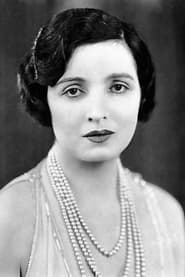
Alice Joyce
Actor
Born: October 1, 1890 in Kansas City, Missouri, USA Died: October 9, 1955 Active: 1911-1933 Birth Name: Alice Joyce Brown
Films
6 films
About Alice Joyce
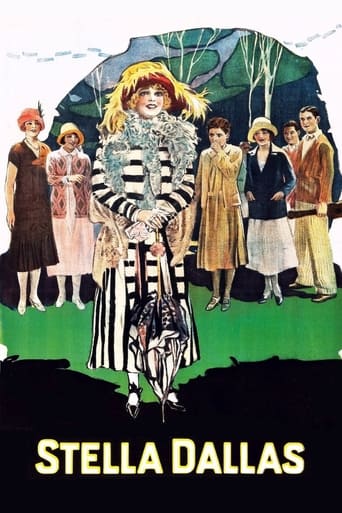
Alice Joyce was and prolific actresses of the silent era, known for her elegant screen presence and remarkable versatility. She began her film career in 1911 with the Kalem Company and quickly rose to stardom at Vitagraph Studios, where she became one of their most valuable assets throughout the 1910s. Joyce's over two decades, during which she appeared in more than 200 films, successfully transitioning from youthful ingenue roles to sophisticated leading lady characters. Her naturalistic acting style, which relied on subtle expressions rather than melodramatic gestures, set her apart from many of her contemporaries. She successfully made the transition to sound films in the late 1920s, though her career gradually slowed in the 1930s. Joyce was particularly celebrated for her ability to portray complex, emotionally nuanced characters, with her performance in 'Stella Dallas' (1925) being considered one of her finest achievements. She retired from acting in the early 1930s, leaving behind a legacy as one of silent cinema's most respected and talented actresses.
The Craft
On Screen
Alice Joyce was renowned for her naturalistic and restrained acting style, which was remarkably ahead of its time for the silent era. Unlike many of her contemporaries who relied on exaggerated gestures and melodramatic expressions, Joyce employed subtle facial expressions and nuanced body language to convey emotion. Her performances were characterized by emotional authenticity and a dignified, aristocratic bearing that made her particularly effective in roles of high society women and complex dramatic characters. Critics often praised her ability to convey deep emotion with minimal movement, creating a sense of realism that resonated with audiences and influenced subsequent generations of film actors.
Milestones
- Star at Vitagraph Studios (1910s)
- Over 200 film appearances
- Successful transition to sound films
- Leading role in Stella Dallas (1925)
- One of the highest-paid actresses of the 1920s
- Known for sophisticated and elegant screen presence
Best Known For
Iconic Roles
Must-See Films
Accolades
Won
- Hollywood Walk of Fame Star (1960, posthumous)
Special Recognition
- Star on the Hollywood Walk of Fame at 6525 Hollywood Boulevard
- One of WAMPAS Baby Stars (1922, though this was early in her career)
- Vitagraph Studios' highest-paid actress for several years
Working Relationships
Worked Often With
Studios
Why They Matter
Impact on Culture
Alice Joyce significantly influenced the development of film acting techniques during the transition from theatrical to cinematic performance styles. Her naturalistic approach helped establish a new standard for screen acting that emphasized subtlety and authenticity over theatrical exaggeration. As one of the few actresses who successfully transitioned from the early 1910s through the sound era, she served as a bridge between different periods of cinema history. Her sophisticated portrayals of complex female characters helped expand the range of roles available to women in silent films, moving beyond simple ingenue parts to more nuanced, psychologically rich characters. Joyce's career longevity and consistent quality of performances made her a role model for professionalism in the early film industry.
Lasting Legacy
Alice Joyce's legacy endures as. Her film work, particularly in the mid-1920s, represents some of the finest examples of mature silent cinema, with performances that remain emotionally resonant today. She is remembered by film historians for her technical skill, emotional range, and the dignified elegance she brought to every role. Joyce's ability to adapt to changing technologies and audience preferences demonstrated remarkable resilience in an industry known for its volatility. Her films continue to be studied and appreciated at film festivals and retrospectives dedicated to preserving silent cinema heritage.
Who They Inspired
Alice Joyce influenced subsequent generations of actors through her naturalistic acting style, which prefigured the more subtle performances that would become standard in sound films. Her work demonstrated that film acting required different techniques than stage performance, encouraging other actors to develop more nuanced approaches to screen work. Directors who worked with her often praised her professionalism and technical skill, which helped establish higher standards for film production. Younger actresses who observed her performances learned from her ability to convey complex emotions through subtle expression rather than overt gesture. Joyce's successful career also showed that longevity in Hollywood was possible through adaptability and consistent quality of work.
Off Screen
Alice Joyce had a complex personal life marked by three marriages and two children. Her first marriage was to actor Tom Moore in 1914, which ended in divorce in 1920. She then married James B. Regan, a businessman, in 1921, with whom she had a daughter named Alice Joyce Regan before their divorce in 1932. Her final marriage was to film director and producer Clarence Brown in 1933, which lasted until his death in 1987. Despite her professional success, Joyce faced personal challenges including the pressures of fame and the difficulties of maintaining relationships in the Hollywood spotlight. She retired from acting after her marriage to Brown and spent her later years away from the public eye, occasionally participating in film retrospectives and interviews about the silent era.
Education
Attended local schools in Kansas City and later studied at a convent school before entering films
Family
- Tom Moore (1914-1920)
- James B. Regan (1921-1932)
- Clarence Brown (1933-1987)
Did You Know?
- Alice Joyce appeared in over 200 films during her career
- She was one of the first actresses to earn $1,000 per week
- Joyce was known as 'The Madonna of the Movies' due to her dignified screen presence
- She successfully made the transition from silent films to talkies
- Joyce was 5'3" tall and known for her striking dark eyes
- She began her career as a model before entering films
- Joyce was one of the few silent stars to maintain her popularity throughout the 1920s
- She retired from acting after marrying director Clarence Brown
- Joyce's daughter Alice Joyce Regan also briefly appeared in films
- She was a skilled horsewoman and often performed her own stunts in westerns early in her career
In Their Own Words
'I believe in naturalness. The camera is too close to allow artificiality.' (1924 interview)
'Acting for the screen is different from the stage. The camera sees everything.' (1926)
'I never wanted to be a star, just a good actress.' (1930 interview)
'The transition to sound was challenging but necessary for the art of film.' (1932)
Frequently Asked Questions
Who was Alice Joyce?
American actress who became. She was known for her naturalistic acting style, elegant screen presence, and ability to portray complex characters with emotional depth.
What films is Alice Joyce best known for?
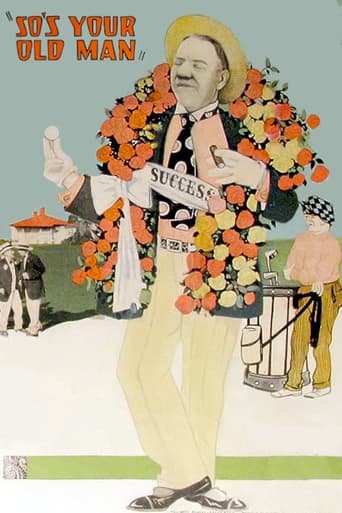
Titles linked here include Stella Dallas (1925), So's Your Old Man (1926).
When was Alice Joyce born and when did she die?
Born October 1, 1890; died October 9, 1955.
What awards did Alice Joyce win?
While Alice Joyce did not receive Academy Awards during her career (the awards began late in her prime), she was posthumously honored with a star on the Hollywood Walk of Fame in 1960. She was also one of the highest-paid actresses of the 1920s and was highly respected by her peers and critics.
What was Alice Joyce's acting style?
Alice Joyce was known for her naturalistic and restrained acting style, which was ahead of its time for the silent era. She employed subtle facial expressions and nuanced body language rather than exaggerated gestures, creating performances characterized by emotional authenticity and dignified realism.