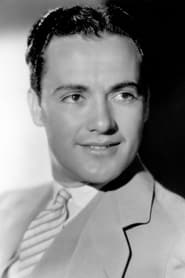
Charles 'Buddy' Rogers
Actor
Born: August 13, 1904 in Olathe, Kansas, USA Died: April 21, 1999 Active: 1926-1984 Birth Name: Charles Edward Rogers
Films
7 films

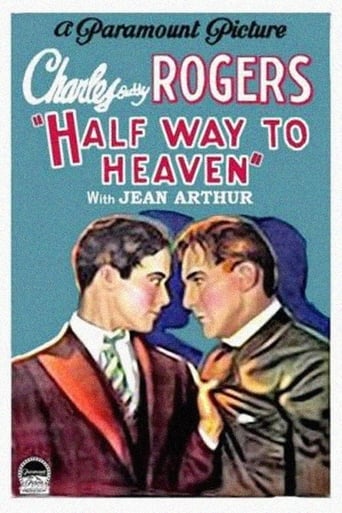
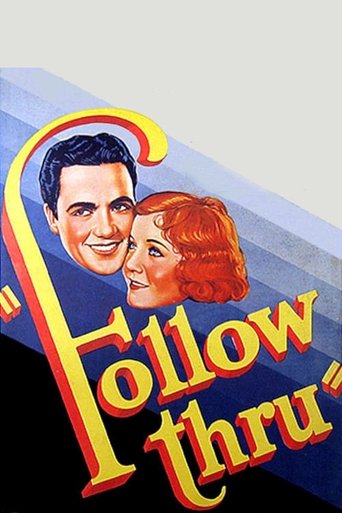
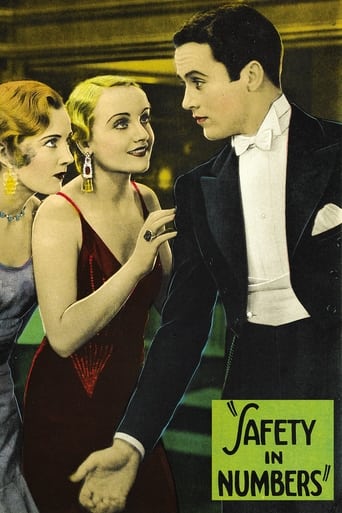
About Charles 'Buddy' Rogers
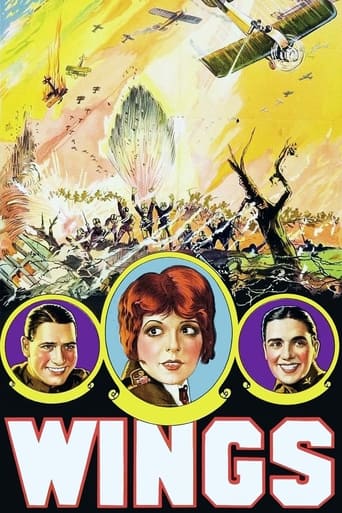
Charles Edward 'Buddy' Rogers was born on August 13, 1904, in Olathe, Kansas, and began his entertainment career as a musician and band leader before transitioning to acting in the mid-1920s. He rose to international fame with his starring role in 'Wings' (1927), the war film that became the first recipient of the Academy Award for Best Picture, where he starred alongside Clara Bow and Gary Cooper. Rogers successfully navigated the challenging transition from silent films to talkies, maintaining his popularity throughout the 1930s with appearances in musicals, dramas, and comedies for various studios. His nearly six decades, though his most prominent period was during the late 1920s and 1930s. In 1937, he married silent film star Mary Pickford, one of Hollywood's most famous actresses and a co-founder of United Artists, and their marriage lasted 42 years until her death in 1979. Rogers continued working in the entertainment industry in various capacities, including television appearances and occasional film roles, well into the 1980s, becoming one of the last surviving major stars from the silent film era before his death in 1999 at age 94.
The Craft
On Screen
Rogers was known for his natural, boyish charm and wholesome all-American persona that appealed to audiences during the transition from silent to sound films. His acting style emphasized authenticity and relatable emotions rather than theatrical gestures, making him particularly effective in romantic leads and war dramas. He possessed a sincere screen presence that translated well to both silent and sound mediums, with a friendly demeanor that earned him the nickname 'America's Boyfriend' during his peak popularity.
Milestones
- Starred in 'Wings' (1927), first Best Picture Oscar winner
- Successfully transitioned from silent to sound films
- Married Mary Pickford in 1937
- Served in U.S. Army Air Forces during WWII
- Received star on Hollywood Walk of Fame
- Became guardian of Mary Pickford's legacy after her death
Best Known For
Iconic Roles
Must-See Films
Accolades
Won
- Hollywood Walk of Fame Star (1960)
Special Recognition
- Star on Hollywood Walk of Fame at 6135 Hollywood Blvd
- Honored as a pioneer of early cinema at various film festivals
- Recognized as one of the last surviving silent film stars
Working Relationships
Worked Often With
Studios
Why They Matter
Impact on Culture
Charles 'Buddy' Rogers played a significant role in Hollywood's transition from silent films to sound pictures, representing the type of leading man who could successfully navigate this challenging period. His starring role in 'Wings' cemented his place in cinema history, as the film's technical achievements, particularly its aerial combat sequences, set new standards for war films and influenced countless future productions. The film's success as the first Best Picture winner helped establish the Academy Awards as a prestigious institution in Hollywood. Rogers' marriage to Mary Pickford connected him to the founding generation of Hollywood and the studio system, making him a bridge between the silent era and later periods of cinema.
Lasting Legacy
Rogers' legacy is primarily defined by his role in 'Wings' and his marriage to Mary Pickford, two elements that ensure his place in film history. As one of the last surviving stars of the silent era, he served as a living connection to early Hollywood in his later years, participating in documentaries and interviews about cinema's days. The preservation of Pickfair, the famous estate he shared with Pickford, became part of his legacy as a guardian of Hollywood history. While his acting career may not have reached the heights of some contemporaries, his contribution to one of cinema's most important early films ensures his continued recognition in film scholarship and classic cinema appreciation.
Who They Inspired
Rogers influenced the archetype of the wholesome, all-American leading man that became prevalent in 1930s Hollywood cinema. His natural acting style demonstrated to other actors the importance of authenticity and subtlety when transitioning from silent to sound films. Through his work in 'Wings,' he influenced how war films would be made, particularly in terms of aerial cinematography and realistic battle sequences. His long and stable marriage to Mary Pickford also provided a model of personal stability in an era known for Hollywood scandals and short-lived relationships.
Off Screen
Rogers married legendary actress Mary Pickford in 1937, becoming her third husband when he was 32 and she was 45. Their marriage was considered one of Hollywood's most stable and loving relationships, lasting 42 years until Pickford's death in 1979. Rogers never remarried after Pickford's death and dedicated himself to preserving her legacy and the history of early Hollywood. He served in the U.S. Army Air Forces during World War II, putting his acting career on temporary hold to serve his country. Rogers was known for his gentlemanly demeanor and was well-respected in Hollywood circles for his kindness and devotion to Pickford.
Education
Attended the University of Kansas where he studied music and was a member of the university band
Family
- Mary Pickford (1937-1979)
Did You Know?
- 'Wings' (1927) was the only silent film to win Best Picture until 'The Artist' in 2011
- He was nicknamed 'America's Boyfriend' during his peak popularity in the late 1920s
- Rogers was originally a talented musician and band leader before discovering acting
- He met Mary Pickford at a Hollywood party in 1936 and they married a year later
- After Pickford's death, he became the primary guardian of her legacy and memorabilia
- He made his final film appearance in the 1984 comedy 'The Creature Wasn't Nice'
- Rogers — accomplished pilot in real life, which helped with his role in 'Wings'
- He was seriously considered for the role of Rhett Butler in 'Gone with the Wind' before Clark Gable was cast
- He served as a flight instructor in the U.S. Army Air Forces during World War II
- He was one of the last surviving major stars from the silent film era at the time of his death
- Rogers appeared in over 70 films throughout his career
- He was a skilled musician who could play multiple instruments including piano and saxophone
In Their Own Words
I was never a great actor, but I was a good-looking boy and I was lucky.
About his marriage to Mary Pickford: 'I married the most famous woman in the world, and it was the best thing that ever happened to me.'
On 'Wings': 'We didn't know we were making history. We were just making a movie, trying to do the best we could.'
About the transition to sound films: 'It wasn't as difficult as some people said. If you could act, you could act with or without words.'
On longevity in Hollywood: 'The secret is to be professional, show up on time, and treat everyone with respect.'
Frequently Asked Questions
Who was Charles 'Buddy' Rogers?
American with credits in this catalog. He successfully transitioned from silent films to talkies and was married to legendary actress Mary Pickford from 1937 until her death in 1979.
What films is Charles 'Buddy' Rogers best known for?
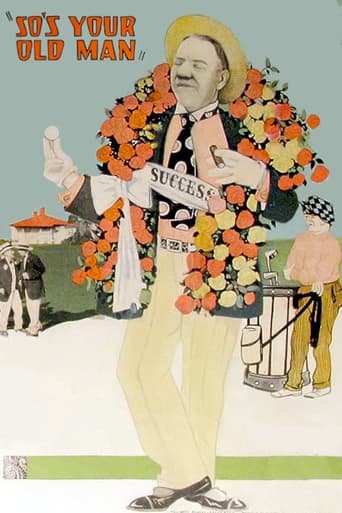
Titles linked here include Wings (1927), So's Your Old Man (1926).
When was Charles 'Buddy' Rogers born and when did he die?
Born August 13, 1904; died April 21, 1999.
What awards did Charles 'Buddy' Rogers win?
While Rogers himself didn't receive major acting awards, his film 'Wings' won the first Academy Award for Best Picture in 1929. He received a star on the Hollywood Walk of Fame for his contributions to the film industry and was honored as a pioneer of early cinema at various film festivals.
What was Charles 'Buddy' Rogers' acting style?
Rogers was known for his natural, boyish charm and wholesome all-American persona that appealed to audiences during the transition from silent to sound films. His acting style emphasized authenticity and relatable emotions rather than theatrical gestures, making him particularly effective in romantic leads and war dramas.
How was Charles 'Buddy' Rogers connected to Mary Pickford?
Rogers married Mary Pickford, one of silent cinema's biggest stars and a co-founder of United Artists, in 1937. Their marriage lasted 42 years until Pickford's death in 1979, and Rogers was her third husband, becoming stepfather to her adopted children and guardian of her legacy.
What was Charles 'Buddy' Rogers' legacy in Hollywood?
Rogers' legacy is primarily tied to his role in 'Wings,' the first Best Picture winner, and his marriage to Mary Pickford. He represents the successful transition of silent film stars to sound films and remains an important figure in early Hollywood history as one of the last surviving stars from cinema's era.
Did Charles 'Buddy' Rogers serve in the military?
Yes, Rogers served in the U.S. Army Air Forces during World War II, putting his acting career on temporary hold to serve his country as a flight instructor, utilizing his real-life piloting skills that had helped him in his role in 'Wings'.