


The Dentist
"Slapstick rising"
Keys: Space play/pause · ←/→ 10s · F fullscreen · M mute · </> speed
About this film
An unconventional dentist deals with patients in slapstick fashion.
Cast & crew
More films like this
More Comedy films
View all →







More about this film
About the production
Release dateMarch 12, 1932
Box officeBox office records not maintained for short subjects in 1932
ProductionMack Sennett Comedies, Paramount Pictures
Filmed inMack Sennett Studios, Studio City, California
Filmed during the early sound era when many comedy shorts were being produced rapidly. Fields was given considerable creative freedom and often rewrote scenes during filming. The dental office set was designed to maximize Fields' physical comedy opportunities, with props that could be easily manipulated for slapstick effects. The film was shot in just a few days, typical of the rapid production schedule for comedy shorts of this period.
Themes
Fear of medical professionalsAuthority figures as sources of comedyFamily conflictsClass differencesThe comedy of pain
Themes & topics
dentistslapstickphysical comedymedical comedywrestlingtooth extractionfather-daughter conflictincompetencepain comedyvaudeville humor
Historical background
Made in its country of production around 1932, The Dentist belongs to the early sound era. Its story of an unconventional dentist deals with patients in slapstick fashion spoke to audiences of the day through familiar genres and topical settings.
Why this film matters
Archivists and historians still cite The Dentist when tracing how the early sound era filmmakers staged unconventional and dentist on screen.
Making of
The production of 'The Dentist' exemplified the rapid-fire approach to comedy shorts in the early 1930s. Director Leslie Pearce, a veteran of silent comedy, worked closely with Fields to adapt his vaudeville routines to the sound medium. Fields, known for his perfectionism and tendency to rewrite scripts on set, frequently altered scenes to better suit his comedic style. The wrestling sequence with the large patient (played by wrestler Stanley Blystone) was extended beyond its scripted length because Fields and the cast found it so entertaining. The dental office set was built with breakaway props and hidden mechanisms to facilitate the slapstick gags. Fields insisted on using real dental instruments for authenticity, though they were sometimes modified for safety. The film was completed in just three days of shooting, with additional time spent on post-production for sound synchronization, which was still a relatively new process in 1932.
What critics said
Reviews from 1932 weighed The Dentist on pacing, performance, and novelty. Later criticism reads its emphasis on unconventional, dentist, deals through modern standards of craft and representation.
Did you know?
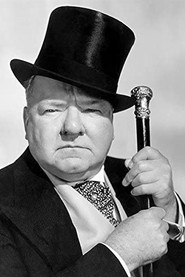
- W.C. Fields had a genuine fear and hatred of dentists in real life, which inspired many of the comedic elements in
- The wrestling scene with the large patient was largely improvised by Fields during filming
- This was one of several comedy shorts Fields made for Mack Sennett, helping establish his film persona
- Fields used actual dental instruments in many scenes, though modified for safety
- The film was so popular that it led to Fields being given more feature film opportunities
- Many of Fields' lines were ad-libbed, a practice he continued throughout his career
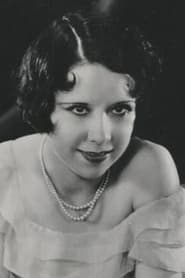
- The daughter character was played by Marjorie Kane, who appeared in several Fields comedies
- Fields' real-life experience as a juggler informed his physical comedy timing in the film
- The dental chair used in the film was a modified version that could be manipulated for comedic effect
- This short was often paired with feature films as part of theater double bills during the Depression era
Awards & recognition
- No significant awards were given for comedy shorts in 1932
Visual style
The cinematography by George Webber utilized the relatively new technology of sound filming while maintaining the visual clarity needed for physical comedy. The camera work was straightforward but effective, using medium shots to capture Fields' facial expressions and wider shots for the physical gags. The dental office set was lit to emphasize the clinical, intimidating atmosphere while still allowing for clear visibility of the comedy action. The wrestling sequence employed dynamic camera movement for the time, following the chaotic action without losing the comedic beats. The film's visual style was typical of early sound comedies - functional rather than artistic, but serving the comedy perfectly. Close-ups were used strategically to highlight Fields' reactions and the pain of his patients, enhancing the humor through facial expressions.
Innovations
While not groundbreaking technically, 'The Dentist' represented a successful adaptation of physical comedy to the sound era. The film demonstrated effective synchronization of dialogue with physical gags, a challenge for many comedians transitioning from silent films. The wrestling sequence showcased innovative use of sound effects to enhance physical comedy, with each impact and struggle accompanied by appropriate audio cues. The production also utilized early boom microphone technology to capture dialogue during active movement scenes. The dental office set incorporated practical effects that worked well with sound recording, including breakaway props and rigged equipment for slapstick purposes. The film's success proved that Fields' comedy style could thrive in the sound era, influencing how other comedy shorts would be produced.
Music
As an early sound film, 'The Dentist' featured a synchronized soundtrack that included dialogue, sound effects, and musical accompaniment. The musical score, typical of Mack Sennett productions, used popular songs of the era as background music during non-dialogue scenes. Sound effects were emphasized for comedic impact - the crunching of dental tools, the screams of patients, and the crashes of falling equipment all received special attention. The audio quality was good for 1932, allowing Fields' distinctive voice and delivery to come through clearly. The film made effective use of the new sound technology to enhance the comedy, with timing between visual gags and sound effects carefully coordinated. No original musical numbers were featured, as was common for comedy shorts of this period.
Famous quotes
Never give a sucker an even break!
I was in love with a beautiful blonde once, dear. She drove me to drink. It's the one thing I'm indebted to her for.
A thing worth having is a thing worth cheating for.
Some weasel took the cork out of my lunch.
Madam, there's no such thing as a tough child - if you parboil them first for seven hours, they always come out tender.
I cook with wine, sometimes I even add it to the food.
Children should neither be seen nor heard from - ever again.
I am free of all prejudices. I hate everyone equally.
Horse sense is the thing a horse has which keeps it from betting on people.
Memorable scenes
- The extended wrestling match between Fields and the large patient who refuses to open his mouth, showcasing Fields' physical comedy prowess as he attempts to extract a tooth while being thrown around the office.
- The painful tooth extraction sequence where Fields uses increasingly brutal methods on his daughter's boyfriend, culminating in a chaotic struggle that sends dental equipment flying.
- Fields' attempt to pull his own tooth using a string tied to a door, resulting in a perfectly timed slapstick disaster that epitomizes his comedy style.
- The opening sequence where Fields arrives late to his office, dealing with a waiting room full of increasingly impatient patients while maintaining his signature unflappable demeanor.
What audiences thought
Audiences in 1932 embraced 'The Dentist' enthusiastically, with theaters reporting strong attendance for showings featuring the Fields short. The film's relatable premise - fear of the dentist - combined with Fields' hilarious incompetence struck a chord with Depression-era audiences seeking laughter and escape. Many viewers wrote fan letters to Fields praising his performance, and the short became so popular that it was often held over for additional weeks in theaters. The film's success helped establish Fields as a bankable star, leading to increased demand for his appearances in both shorts and feature films. Modern audiences continue to appreciate the film's timeless humor, with screenings at classic film festivals consistently drawing enthusiastic crowds. The short has maintained its appeal through home video releases and television broadcasts, introducing new generations to Fields' unique comedy style.
Film connections
Influenced by
- Vaudeville comedy routines
- Charlie Chaplin's physical comedy style
- Buster Keaton's deadpan expression
- Harold Lloyd's everyman character
- Mack Sennett's slapstick tradition
- Medicine show entertainment
- Circus comedy routines
This film influenced
- The Pharmacist (1933)
- The Barber Shop (1933)
- The Fatal Glass of Beer (1933)
- It's a Gift (1934)
- You Can't Cheat an Honest Man (1939)
- The Bank Dick (1940)
- Never Give a Sucker an Even Break (1941)
Film restoration
The film has been preserved by the UCLA Film and Television Archive and the Library of Congress. It was included in the National Film Registry's collection of significant American comedies. Restored versions are available through various film preservation initiatives, with the original nitrate elements having been transferred to safety stock in the 1950s. The complete film survives in excellent condition with clear audio, making it accessible for modern audiences.
Where to watch
- The Criterion Collection DVD 'W.C. Fields: Comedy Shorts Collection'
- Kino Lorber Blu-ray 'The W.C. Fields Collection'
- Streaming on The Criterion Channel
- Available for digital purchase on Amazon Prime Video
- Occasionally airs on Turner Classic Movies
- Available through the Library of Congress's National Screening Room
- Included in the Universal Studios Home Entertainment comedy collections