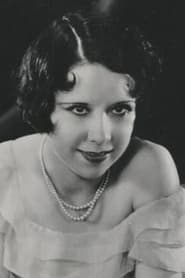
Marjorie Kane
Actor
Born: April 15, 1909 in Chicago, Illinois, USA Died: January 8, 1992 Active: 1929-1940
Films
3 films
About Marjorie Kane
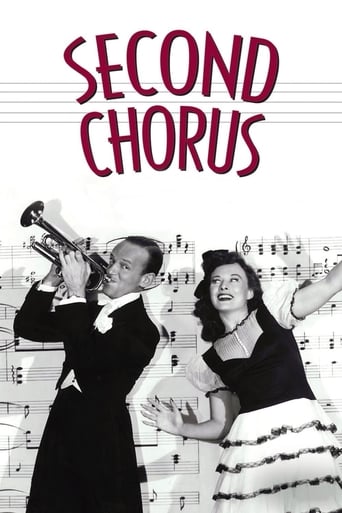
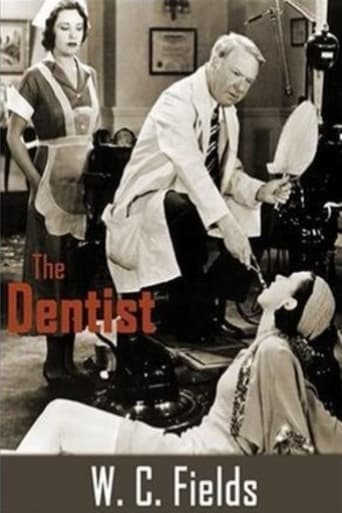
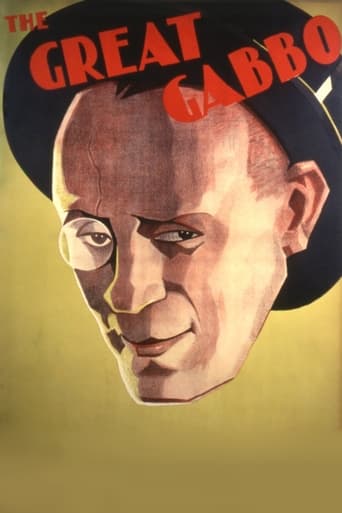
American character actress who flourished during the transition from silent films to talkies in late 1920s and 1930s Hollywood. Born in Chicago in 1909, she began her film career at the dawn of the sound era, appearing in the musical drama 'The Great Gabbo' in 1929. Kane quickly established herself as a reliable supporting player, particularly excelling in comedy roles, as evidenced by her appearance in W.C. Fields' classic short 'The Dentist' (1932). Throughout the 1930s, she appeared in numerous films, often playing spunky secretaries, wisecracking friends, or comedic relief characters. Her just over a decade, with her final credited appearance being in the Fred Astaire musical 'Second Chorus' in 1940. Though never achieving leading lady status, Kane's consistent work ethic and memorable character performances made her a familiar face to movie audiences of the era. After retiring from acting, she largely disappeared from public life until her death in Los Angeles in 1992.
The Craft
On Screen
Marjorie Kane specialized in playing spirited, often comedic supporting characters with a distinctive wisecracking delivery. Her acting style was typical of the fast-talking, energetic character actresses of early sound cinema, with a natural comedic timing that made her particularly effective in comedy shorts and ensemble pieces. She had a knack for playing secretaries, shop girls, and working-class women with pluck and determination.
Milestones
- Film debut in 'The Great Gabbo' (1929)
- Appeared in W.C. Fields comedy 'The Dentist' (1932)
- Supporting role in Fred Astaire musical 'Second Chorus' (1940)
- Consistent work as character actress throughout 1930s
- Transitioned successfully from silent films to talkies
Best Known For
Iconic Roles
Must-See Films
Working Relationships
Worked Often With
Studios
Why They Matter
Impact on Culture
Marjorie Kane represents the archetype of the reliable character actress who formed the backbone of Hollywood's studio system during the Golden Age. While never a star, her consistent presence in films of the late 1920s and 1930s contributed to the texture and authenticity of the era's cinema. Her work in comedies, particularly with W.C. Fields, helped establish the template for female comedic supporting roles in early sound films. Kane's career trajectory also illustrates the typical path of many actresses of her era - promising beginnings in the early sound period, steady work as a character player, and eventual retirement as new stars emerged.
Lasting Legacy
Marjorie Kane's legacy lies in her contributions to the ensemble casts that defined Golden Age Hollywood cinema. Though largely forgotten today, film historians and classic movie enthusiasts recognize her as part of the essential supporting players who brought depth and humor to the films of the 1930s. Her appearances in preserved classics like 'The Great Gabbo' and 'The Dentist' ensure that future generations can appreciate her work and the important role character actors played in creating memorable cinema.
Who They Inspired
As a character actress rather than a star, Marjorie Kane's influence was primarily in demonstrating the importance of supporting performances in ensemble films. Her work in comedy shorts and features helped establish patterns for how female supporting characters could effectively complement leading stars, particularly in comedy. Her ability to transition from silent films to talkies also provided a model for other character actors navigating the technical and artistic challenges of early sound cinema.
Off Screen
Marjorie Kane was married to film director Charles Barton from 1935 until their divorce in 1942. Their marriage coincided with some of her most active years in Hollywood, and Barton directed several films during this period. After her divorce and retirement from acting, Kane largely withdrew from the entertainment industry and lived a private life in Los Angeles. She did not have any children and spent her later years away from the public eye until her death at age 82.
Education
No formal education information is available about Marjorie Kane's background before entering films.
Family
- Charles Barton (1935-1942)
Did You Know?
- Began her film career at the age of 20, just as sound was revolutionizing Hollywood
- Her marriage to director Charles Barton placed her at the center of Hollywood's creative community during the 1930s
- Appeared in both feature films and comedy shorts, demonstrating versatility across formats
- Worked with comedy legend W.C. Fields during his most productive period
- Her final film 'Second Chorus' featured Fred Astaire and Paulette Goddard
- Retired from acting at age 31, relatively young for an actress of her era
- Lived for over 50 years after her film career ended, maintaining a private life
- Her filmography spans the crucial transition period from silent films to fully established sound cinema
- Never received top billing but was consistently employed throughout her career
- Her career lasted exactly 11 years from her first to last credited film appearance
In Their Own Words
No famous quotes attributed to Marjorie Kane are documented, as was common for supporting character actresses of her era
Frequently Asked Questions
Who was Marjorie Kane?
American character actress active in Hollywood during the late 1920s and 1930s, known for her supporting roles in films like 'The Great Gabbo,' 'The Dentist,' and 'Second Chorus.' She worked primarily as a reliable supporting player in comedies and dramas during the transition from silent films to talkies.
What films is Marjorie Kane best known for?
Titles linked here include The Great Gabbo (1929), The Dentist (1932).
When was Marjorie Kane born and when did she die?
Born April 15, 1909; died January 8, 1992.
What awards did Marjorie Kane win?
There are no records of Marjorie Kane receiving major awards or nominations during her acting career. Like many character actresses of her era, her contributions were recognized through consistent employment rather than formal accolades.
What was Marjorie Kane's acting style?
Marjorie Kane specialized in playing spirited, comedic supporting characters with a distinctive wisecracking delivery. Her style was typical of fast-talking character actresses of early sound cinema, with natural comedic timing that made her particularly effective in comedy shorts and ensemble pieces.
Was Marjorie Kane married?
Yes, Marjorie Kane was married to film director Charles Barton from 1935 until their divorce in 1942. Barton directed numerous films during Hollywood's Golden Age, and their marriage coincided with Kane's most active period in the film industry.
Why did Marjorie Kane retire from acting?
Marjorie Kane retired from acting in 1940 at the age of 31, shortly after appearing in 'Second Chorus.' While specific reasons for her retirement are not documented, it was not uncommon for character actresses of her era to leave the industry as they aged and new talent emerged.
How is Marjorie Kane remembered today?
Marjorie Kane is remembered by film historians and classic cinema enthusiasts as a representative example of the reliable character actresses who formed the backbone of Hollywood's studio system. Her preserved performances in films like 'The Dentist' continue to showcase the important role supporting players played in creating memorable Golden Age cinema.