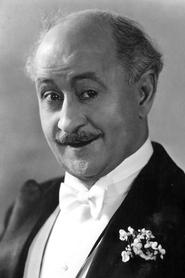
Joseph Belmont
Actor
Born: July 26, 1888 in Philadelphia, Pennsylvania, USA Died: November 15, 1950 Active: 1916-1932
Films
4 films
About Joseph Belmont
Joseph Belmont was cast in over 200 films during the silent era and early sound period between 1916 and 1932. He began his career in comedy shorts, often playing supporting roles alongside popular comedians of the era, and quickly established himself as a reliable presence in Hollywood's bustling comedy production system. Belmont's distinctive appearance and comic timing made him a valuable asset to various studios, particularly in the production of two-reel comedy shorts that dominated the market. He successfully navigated the challenging transition from silent films to talkies, adapting his performance style to accommodate sound while maintaining his effectiveness as a supporting player. Throughout his career, he worked with numerous comedy stars and directors, contributing to the development of American film comedy during its formative years. His final film appearances in the early 1930s coincided with the decline of the short film format and the restructuring of Hollywood's studio system. Despite never achieving star status, Belmont's extensive filmography represents the essential contributions of character actors to the golden age of silent comedy.
The Craft
On Screen
Character actor specializing in comedy roles, often playing authority figures, frustrated businessmen, or comic foils to main comedic stars. His style was typical of the exaggerated physical comedy popular in silent films, with a talent for facial expressions and physical gags. He excelled at playing the straight man to comedic leads while still maintaining his own comic presence. His performances were characterized by broad gestures and expressive reactions that translated well in silent cinema.
Milestones
- Appeared in over 200 films during 16-year career
- Successfully transitioned from silent to sound films
- Worked with major comedy stars of the silent era
- Contributed to numerous comedy shorts for various studios
- Established himself as a reliable character actor in Hollywood's studio system
Best Known For
Iconic Roles
Must-See Films
Working Relationships
Worked Often With
Studios
Why They Matter
Impact on Culture
Joseph Belmont contributed significantly to the development of American comedy cinema during its formative years, particularly in the genre of two-reel comedy shorts that dominated early Hollywood. His numerous appearances helped establish the visual language and comedic conventions of silent film, working alongside many of the era's most influential comedy performers. As part of the essential supporting cast that made silent comedies successful, Belmont helped create the template for ensemble comedy that would influence future generations of filmmakers.
Lasting Legacy
Joseph Belmont represents the legion of character actors who were essential to Hollywood's success during the silent era and early sound period. While never achieving star status, his extensive filmography provides valuable documentation of the comedy production methods, styles, and collaborative nature of early Hollywood filmmaking. His career exemplifies the important role that reliable supporting players played in the studio system, contributing to the success of countless productions while remaining largely anonymous to the general public.
Who They Inspired
Belmont's work demonstrated the importance of skilled character actors in comedy productions, influencing how studios approached casting for supporting roles in comedy films. His ability to adapt his performance style across different productions and work with various comedy stars helped establish the professional standards for character actors in Hollywood. His successful transition from silent to sound films provided a model for other supporting actors facing the technological and artistic challenges of the talkie era.
Off Screen
Limited documentation exists about Joseph Belmont's personal life, which was common for supporting character actors of his era. Like many actors who specialized in supporting roles, he maintained a relatively private life away from the spotlight, with most public attention focused on his film performances rather than his personal affairs.
Did You Know?
- Appeared in over 200 films during his 16-year career
- Often went without on-screen billing in many of his film appearances
- Worked during the pivotal transition from silent to sound films
- Was part of the large pool of character actors essential to Hollywood's studio system
- His film appearances spanned the golden age of silent comedy shorts
- Often played similar character types across different productions
- His career coincided with the peak popularity of two-reel comedy shorts
- Worked with multiple studios rather than being under long-term contract to a single studio
- His final film appearances coincided with the decline of the short film format in Hollywood
- Like many character actors of his era, much of his personal life remains undocumented
Frequently Asked Questions
Who was Joseph Belmont?
Screen credits include over 200 films during the silent era and early sound period from 1916 to 1932. He specialized in supporting roles in comedy shorts and worked with various studios throughout his career, contributing to the development of American film comedy during its formative years.
What films is Joseph Belmont best known for?
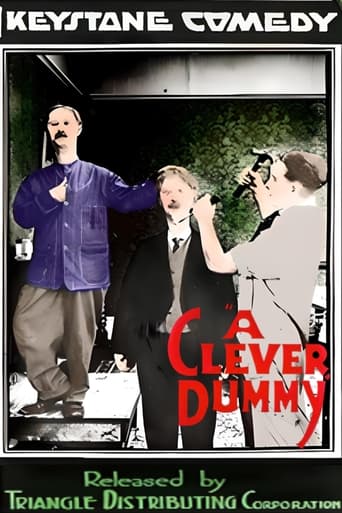
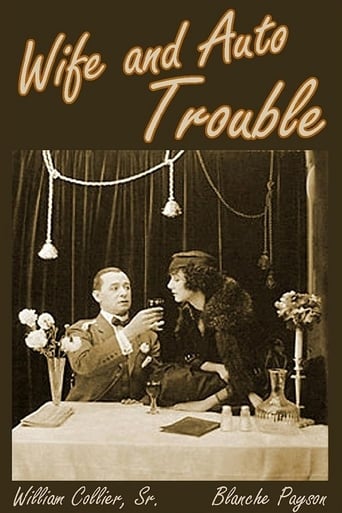
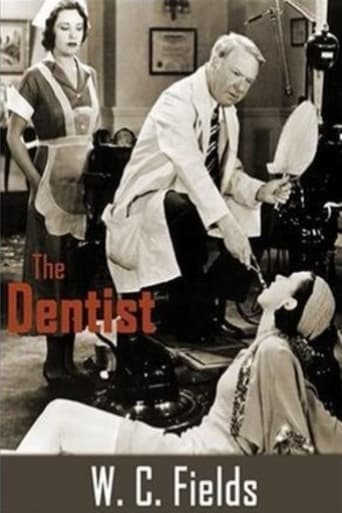
Titles linked here include Wife and Auto Trouble (1916), A Clever Dummy (1917).
When was Joseph Belmont born and when did he die?
Born July 26, 1888; died November 15, 1950.
What awards did Joseph Belmont win?
Joseph Belmont did not receive any major awards or nominations during his career, which was common for supporting character actors of his era. Despite his extensive filmography, recognition for such performers was limited during the early decades of Hollywood.
What was Joseph Belmont's acting style?
Joseph Belmont specialized in character acting with a focus on comedy roles, often playing authority figures, frustrated businessmen, or comic foils to main comedic stars. His style featured the exaggerated physical comedy popular in silent films, with strong facial expressions and physical gags that translated well to the medium.
How did Joseph Belmont contribute to early cinema?
Joseph Belmont contributed to early cinema as part of the essential supporting cast that made silent comedies successful. His numerous appearances in comedy shorts helped establish the visual language and conventions of silent film comedy, and his successful transition to sound films demonstrated the adaptability required of actors during this transformative period.