
Wife and Auto Trouble
"A henpecked driver's family feud lands him in legal trouble."
Keys: Space play/pause · ←/→ 10s · F fullscreen · M mute · </> speed
About this film
Henpecked driver problems with his domineering wife and mother-in-law lead to complications with the law.
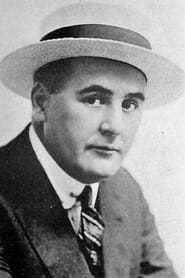
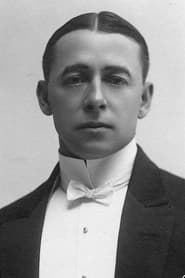
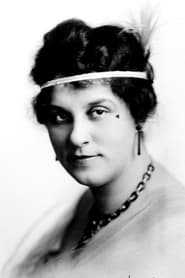
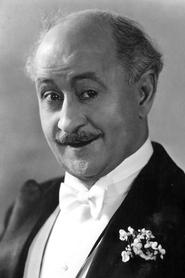
Cast & crew
More films like this
More Comedy films
View all →







More from Dell Henderson
View all →
More about this film
About the production
Release dateMarch 19, 1916
ProductionFine Arts Film Company
Filmed inLos Angeles, California
This was one of many comedy shorts produced during the golden age of silent comedy. The film was likely shot quickly on a modest budget, as was typical for short comedies of the era. The automobile featured was relatively new technology in 1916, making it a perfect comedic prop for the era's audiences.
Themes
Marital discordDomestic comedyTechnology and societyGender rolesDeception and honesty
Themes & topics
Historical background
By 1916, distribution networks were widening, and Wife and Auto Trouble reached viewers through the same short-program bills that mixed comedy, news, and spectacle.
Why this film matters
For historians, Wife and Auto Trouble is less a blockbuster than a datapoint—showing what audiences in 1916 could see on a typical program.
Making of
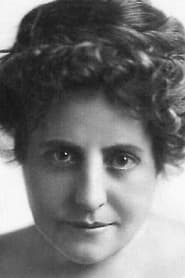
The production of Wife and Auto Trouble was typical of the efficient studio system of the 1910s. Director Dell Henderson, having learned his craft under D.W. Griffith, brought a polished visual style to even these short comedies. The cast worked quickly, often completing multiple shorts in a single week. The automobile used in the film was likely provided by a local dealership, a common practice for product placement even in early cinema. The physical comedy required careful choreography, especially for scenes involving the car, which could be dangerous for the performers. Blanche Payson's imposing stature (she was notably tall for the era) made her perfect for the domineering wife role, and she developed a reputation for being able to intimidate her male co-stars both on and off screen.
What critics said
Modern retrospectives screen Wife and Auto Trouble for craft context: performances, pacing, and camera choices that illustrate 1916 norms more than revolutionary leaps.
Did you know?
- Director Dell Henderson was a former actor who had worked extensively with D.W. Griffith at Biograph before becoming a director in his own right
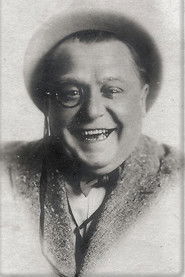
- William Collier Sr. was a veteran stage actor who successfully transitioned to silent films and was known for his comic timing
- Blanche Payson, who plays the domineering wife, was typecast in similar roles throughout her career, often playing formidable women
- The film was released during the early days of automobile ownership in America, when cars were still considered luxury items
- This was one of many 'domestic comedy' shorts popular in the 1910s that played on marital tensions for laughs
- The Fine Arts Film Company was part of the Triangle Film Corporation, one of the major studios of the 1910s
- Silent films of this era were often accompanied by live musical scores in theaters, with specific cue sheets provided
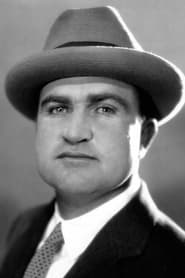
- Joseph Belmont, who appears in the film, was a character actor who frequently played authority figures in comedies
- The film's theme of marital discord was a common trope in silent comedy, reflecting changing gender dynamics of the era
- Auto-related comedies became particularly popular in the 1910s as cars became more common in American society
Visual style
The cinematography in Wife and Auto Trouble was typical of professional studio productions of 1916. The film was likely shot on 35mm film with natural lighting when possible, supplemented by artificial studio lighting. Camera work was relatively static, as was common in the era, with the camera positioned to capture the full action in medium shots. The composition followed the theatrical tradition of keeping important elements in the center of the frame. Any chase sequences involving the automobile would have required more dynamic camera movement, possibly using tracking shots that were becoming more sophisticated by this time. The visual style prioritized clarity of action over artistic flourishes, ensuring audiences could follow the physical comedy easily.
Innovations
While Wife and Auto Trouble was not a groundbreaking technical achievement, it represents the solid craftsmanship of studio productions in 1916. The film demonstrates the effective use of editing for comedic timing, a skill that was becoming more sophisticated in this period. The coordination required for scenes involving the automobile showed the growing complexity of film production. The film was likely shot on the relatively new panchromatic film stock that was becoming standard, offering better tonal range than earlier orthochromatic film. The production also benefited from the improved lighting equipment available in studio settings by the mid-1910s.
Music
As a silent film, Wife and Auto Trouble had no recorded soundtrack but would have been accompanied by live music in theaters. Theaters typically received cue sheets suggesting appropriate musical pieces for different scenes. For a comedy like this, the music would have been light and upbeat, possibly using popular songs of the era or classical pieces arranged for smaller theater orchestras. The musical accompaniment would have emphasized the comedic timing, with stinger chords for slapstick moments and romantic themes for marital scenes. The score might have included automobile-related sound effects created by the theater's sound effects specialist or percussionist.
Famous quotes
(Silent film - no dialogue)
Memorable scenes
- The scene where the husband tries to hide his new automobile from his wife and mother-in-law, resulting in a chaotic chase around the property, exemplifying the physical comedy style of the era
What audiences thought
Audiences of 1916 responded well to Wife and Auto Trouble, as it tapped into common experiences and anxieties about marital relationships and new technology. The relatable premise of a husband wanting something his wife disapproves of resonated with viewers, and the slapstick elements provided the physical comedy that silent film audiences craved. The film's short length made it perfect for theater programs that included multiple shorts before the feature presentation. While specific box office figures are not available, the film's successful release through the Triangle Corporation suggests it performed adequately in theaters. Modern audiences encountering the film in retrospectives or archives often find it charming as a time capsule of early 20th-century humor and social dynamics.
Film connections
Influenced by
- Mack Sennett comedies
- Charlie Chaplin's domestic comedies
- D.W. Griffith's narrative techniques
- Stage comedy traditions
- Vaudeville humor
This film influenced
- Later domestic comedy shorts
- Sound-era marital comedies
- Television sitcoms about family dynamics
Film restoration
The preservation status of Wife and Auto Trouble is unclear, as many films from this era have been lost. Some sources suggest that copies may exist in film archives, but it is not widely available for viewing. The film, like many Triangle Corporation shorts, may survive only in fragmentary form or in private collections. The lack of a known restored version suggests it has not received priority preservation treatment compared to more famous works of the period.
Where to watch
- Currently not widely available for viewing. May exist in film archives such as the Library of Congress or the Museum of Modern Art's film collection. Occasionally screened at silent film retrospectives or special events. No known digital or home video releases are currently available.