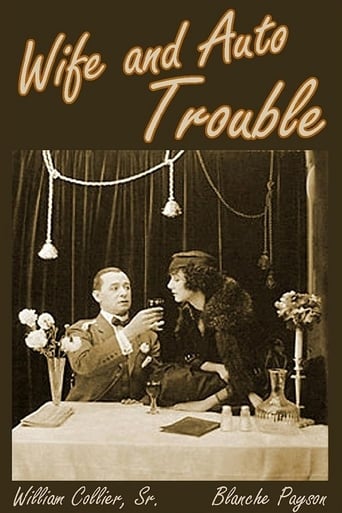
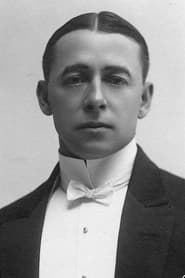
William Collier Sr.
Actor
Born: November 12, 1864 in New York City, New York, USA Died: January 13, 1944 Active: 1880s-1920s Birth Name: William Collier Jr.
Films
2 films
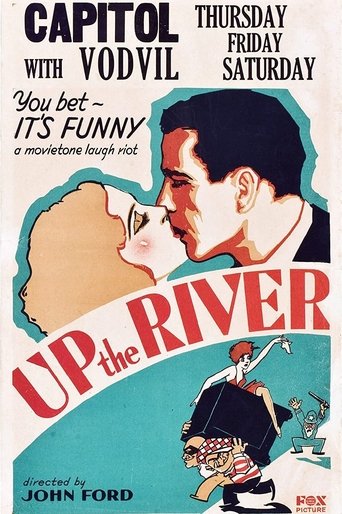
About William Collier Sr.
American stage and film actor, playwright, and director who began his career in the 1880s on the legitimate stage. Born William Collier Jr. In New York City, he rose to prominence as a leading man in Broadway productions before transitioning to silent films in the early 1910s. His stage career flourished with productions like 'The Governor's Lady' and 'The Little Millionaire,' establishing him as a respected theatrical figure. In cinema, he appeared in numerous silent films and also directed several productions, showcasing his versatility as a performer and filmmaker. He became known as 'Sr.' to distinguish himself from his son, William Collier Jr., who also pursued an acting career. His contributions bridged the gap between Victorian theater and early cinema, making him an important transitional figure in American entertainment history. Collier's over four decades, during which he influenced both theatrical and cinematic traditions.
The Craft
On Screen
Known for his theatrical training and commanding stage presence, Collier brought a refined, dignified approach to his film performances. His style reflected the transition from the exaggerated gestures of Victorian theater to the more naturalistic acting style emerging in early cinema. He possessed a strong vocal presence and dramatic timing honed through years of stage experience, which translated well to silent film's emphasis on physical expression and emotional conveyance.
Milestones
- Successful Broadway career in the 1890s and 1900s
- Transition from stage to silent films in the early 1910s
- Directed and starred in numerous silent film productions
- Mentored his son William Collier Jr. In the entertainment industry
- Bridged Victorian theater and early cinema traditions
Best Known For
Iconic Roles
Must-See Films
Accolades
Special Recognition
- Broadway star with numerous successful productions
- Pioneer in stage-to-film transition
- Respected theatrical figure of his era
Working Relationships
Worked Often With
Studios
Why They Matter
Impact on Culture
William Collier Sr. Played a significant role in the transition from Victorian theater to early cinema, helping to bridge two distinct entertainment eras. His successful career on both stage and screen demonstrated the possibilities for performers to adapt to new media, paving the way for future generations of actors. His work helped establish professional standards for theatrical training that remained relevant even as cinema evolved into the dominant entertainment medium.
Lasting Legacy
Collier's legacy lies in his role as a transitional figure between theatrical and cinematic traditions, representing the generation of performers who successfully navigated the dramatic changes in entertainment during the early 20th century. His family's continued presence in Hollywood through his son ensured that his influence extended beyond his own career. The preservation of his theatrical techniques and their adaptation to film contributed to the development of American acting methodologies.
Who They Inspired
His influence extended to both the theatrical community and early film industry, where his experience and reputation helped legitimize cinema as a serious artistic medium. The success of his son in Hollywood demonstrated the effectiveness of his mentorship and the value of theatrical training in film performance. His career served as a model for other stage actors considering transitions to the new medium of cinema.
Off Screen
William Collier Sr. Married actress Paula Marr, and their marriage produced one son who would follow in their theatrical footsteps. The family was deeply embedded in New York's theatrical community, with connections throughout the entertainment industry. His decision to adopt the 'Sr.' designation was both practical and symbolic, marking the transition of his legacy to the next generation while maintaining his own distinct identity in the entertainment world.
Education
Educated in New York City, with early training in dramatic arts through theater apprenticeships and practical experience
Family
- Paula Marr (married 1902-1944)
Did You Know?
- Born as William Collier Jr. But became known as 'Sr.' when his son entered acting
- Began his stage career as a teenager in the 1880s
- Was a prominent Broadway star before transitioning to films
- His son William Collier Jr. Became a major Hollywood star in the 1920s and 1930s
- Represented the bridge between 19th century theater and 20th century cinema
- Married actress Paula Marr, continuing the family's theatrical tradition
- His active years covered the entire transition from silent films to early talkies
- Was respected both as a performer and as a theatrical professional
- Helped establish standards for actors transitioning between media
- His family represents one of early Hollywood's entertainment dynasties
In Their Own Words
The stage teaches you what the camera cannot - the power of presence and timing
Transition from theater to film requires not adaptation but translation of craft
Good acting transcends medium, whether on boards or on celluloid
Frequently Asked Questions
Who was William Collier Sr.?
Prominent American stage and film actor, on YTB.my. Born in 1864, he began his career on Broadway in the 1880s before transitioning to silent films in the 1910s, becoming known for his dignified acting style and theatrical expertise.
What films is William Collier Sr. Best known for?
Titles linked here include The Governor's Lady (stage production), The Little Millionaire (stage production).
When was William Collier Sr. Born and when did he die?
Born November 12, 1864; died January 13, 1944.
What awards did William Collier Sr. Win?
While formal award systems were limited during his active years, Collier Sr. Received recognition through his successful Broadway productions and respected position in the theatrical community. His honors came primarily through critical acclaim and box office success rather than formal awards.
What was William Collier Sr.'s acting style?
Collier's acting style reflected his theatrical training, combining the dramatic presence of Victorian stage performance with the emerging naturalism of early cinema. He emphasized clear emotional expression and character development, using his stage-honed techniques to adapt effectively to silent film's visual storytelling requirements.