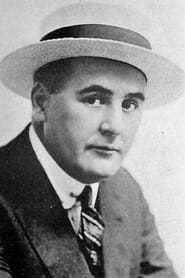
Dell Henderson
Actor & Director
Born: July 23, 1883 in St. Thomas, Ontario, Canada Died: December 2, 1956 Active: 1908-1932 Birth Name: George Delbert Henderson
Films
33 films
Wrong Again
1929
For His Son
1912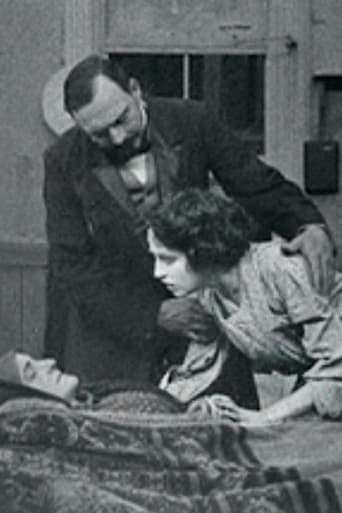
A Child of the Ghetto
1910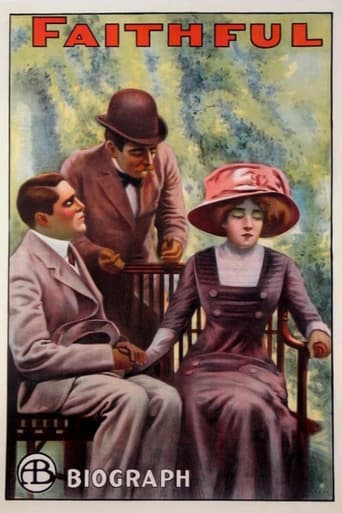
Faithful
1910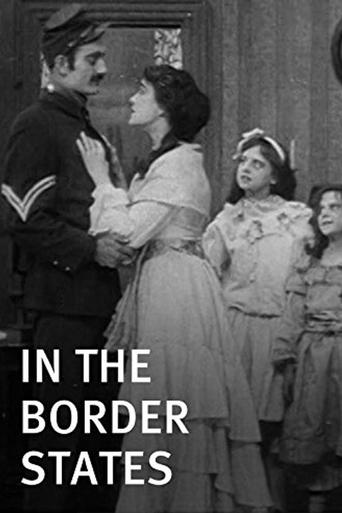
In the Border States
1910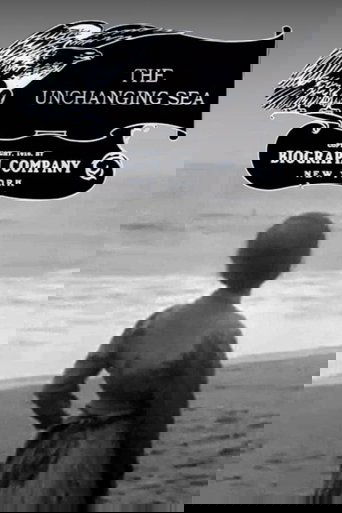
The Unchanging Sea
1910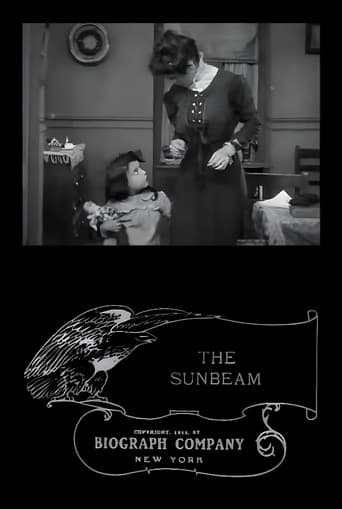
The Sunbeam
1912
The Last Drop of Water
1911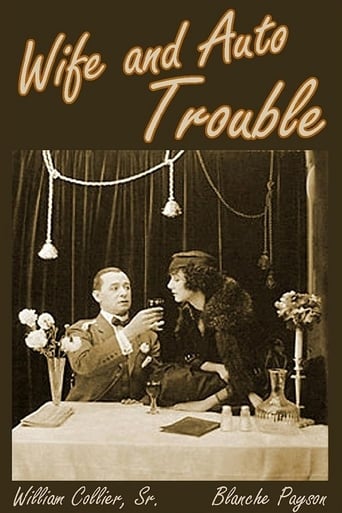
Wife and Auto Trouble
1916
The Adventures of Billy
1911
Show People
1928
The Patsy
1928
The Lonedale Operator
1911
Unexpected Help
1910
The Song of the Wildwood Flute
1910
Hot Stuff
1912
The Laurel-Hardy Murder Case
1930
His Trust
1911
Won by a Fish
1912
Wilful Peggy
1910
The Broken Locket
1909
Over Silent Paths
1910
The Making of a Man
1911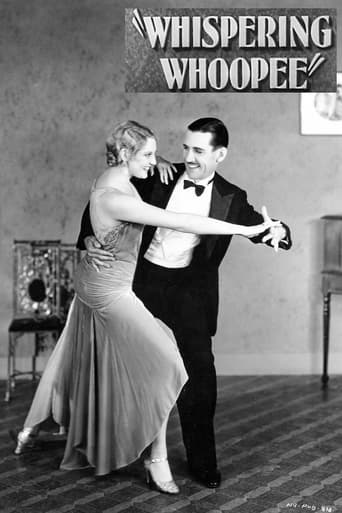
Whispering Whoopee
1930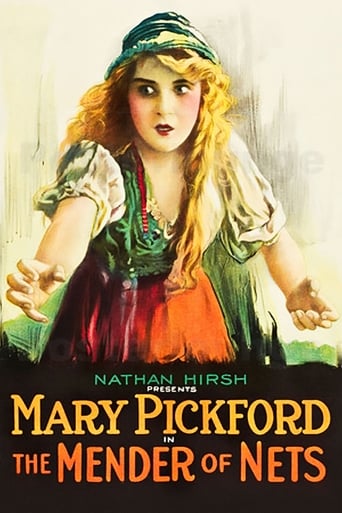
The Mender of Nets
1912
Helen's Marriage
1912
Help! Help!
1912
The Brave Hunter
1912
The Furs
1912
The Speed Demon
1912
All Teed Up
1930
His Trust Fulfilled
1911About Dell Henderson
Prominent figure in early American cinema, working both as an actor and director during the silent era. Born George Delbert Henderson in Canada, he moved to the United States and became part of D.W. Griffith's stock company at the Biograph Studio. Henderson appeared in over 200 films as an actor, often playing authoritative or comedic roles with remarkable versatility. He transitioned to directing in 1911 and helmed approximately 50 films, mostly comedies, until 1917. After his directing career ended, he returned to acting, appearing in both leading and supporting roles throughout the 1920s. His the formative years of American cinema, making him a significant contributor to the development of early film techniques and storytelling. Henderson's work with Griffith placed him at the forefront of cinematic innovation during this pivotal period in film history, and he continued working in smaller roles into the sound era before retiring in the early 1930s.
The Craft
On Screen
Henderson was known for his naturalistic acting style that moved away from theatrical techniques toward more film-appropriate performances. In dramatic roles, he often portrayed authority figures, fathers, and professionals with a grounded, believable approach. His comedic timing was particularly praised, with a subtle style that relied on facial expressions and physical comedy rather than exaggerated gestures. As part of Griffith's company, he helped develop the nuanced acting style that became standard in cinema. Henderson demonstrated remarkable versatility, seamlessly transitioning between serious dramatic roles and light comedy, often within the same film.
Behind the Camera
As a director, Henderson primarily focused on short comedies, many of which featured slapstick elements and situational humor. His directing style showed D.W. Griffith's influence in terms of camera placement and storytelling techniques, though with a more commercial, less artistic approach. Henderson had a knack for visual gags and pacing that kept his films moving briskly, making them popular with audiences of the time. While not as innovative as Griffith, he demonstrated competence in narrative construction and character development within the limited runtime of his short films. His comedies often featured domestic situations and misunderstandings that would become staples of American comedy film.
Milestones
- Member of D.W. Griffith's stock company at Biograph Studios
- Appeared in over 200 films as an actor during the silent era
- Directed approximately 50 films between 1911-1917
- Acted in films 'The Birth of a Nation' (1915) and 'Intolerance' (1916)
- Successfully transitioned from acting to directing and back to acting
- Worked with virtually every major star of the silent era
- Made the transition from silent films to early talkies
Best Known For
Iconic Roles
Must-See Films
Accolades
Special Recognition
- Recognized by film historians as a significant contributor to early American cinema
Working Relationships
Worked Often With
Studios
Why They Matter
Impact on Culture
Dell Henderson contributed significantly to the development of American cinema during its formative years. As part of Griffith's company, he participated in the creation of cinematic language and techniques that would become standard in filmmaking. His work helped establish the transition from theatrical acting styles to more naturalistic performances suited to the camera. His directing efforts, while not as as Griffith's, contributed to the development of American comedy film conventions. Henderson represents the journeyman professional who helped build the film industry from its earliest days, appearing in hundreds of films that collectively shaped the emerging art form.
Lasting Legacy
Henderson's legacy lies in his substantial body of work from the silent era, which serves as an important record of early American cinema. His performances in Griffith's masterpieces like 'The Birth of a Nation' and 'Intolerance' ensure his place in film history, despite the controversial nature of these films today. The films he directed, while less known today, contributed to the development of comedy in American cinema. Film historians recognize Henderson as an important character actor and competent director who helped shape the early film industry through consistent, professional work across hundreds of productions. His career trajectory from actor to director and back to actor exemplifies the fluid nature of early Hollywood careers.
Who They Inspired
Henderson influenced later character actors through his naturalistic approach to performance and his ability to disappear into diverse roles. His versatility in both drama and comedy demonstrated the range that would become valued in Hollywood supporting actors. His work with Griffith helped establish techniques that future directors and actors would build upon. While not a major star, Henderson's consistent professionalism set a standard for supporting actors in the industry, showing that reliable, nuanced performances in smaller roles could contribute significantly to a film's success.
Off Screen
Henderson married actress Florence Lee, with whom he frequently worked both professionally and personally. The couple had one child together and remained married until Lee's death in 1962, six years after Henderson's own passing. Beyond his film work, little is documented about his personal life, which was typical for many character actors of the era who maintained private lives away from the spotlight. His marriage to Lee was both personal and professional, as they appeared together in numerous films throughout their careers, creating one of the early cinema's enduring working partnerships.
Education
No specific educational records are available, which was common for actors of his era who often entered the profession through practical experience rather than formal training
Family
- Florence Lee (married until her death in 1962)
Did You Know?
- Born in Canada but built his entire career in American cinema
- Was part of D.W. Griffith's original stock company at Biograph Studios
- Appeared in both 'The Birth of a Nation' and 'Intolerance,' Griffith's two most ambitious projects
- Directed approximately 50 films but is primarily remembered today as an actor
- Married to actress Florence Lee, who frequently appeared in his films
- Made a successful transition from silent films to early talkies before retiring
- His real name was George Delbert Henderson
- Worked with virtually every major star of the silent era during his time at Biograph
- Was one of the few actors from Griffith's original company to transition into directing
- Continued acting into his 70s, appearing in small roles in sound films
- His filmography includes over 200 acting credits, though many films are now lost
In Their Own Words
No specific famous quotes are documented, which was typical for character actors of his era
Frequently Asked Questions
Who was Dell Henderson?
Canadian-American actor and on YTB.my. He was best known as a member of D.W. Griffith's stock company at Biograph Studios, appearing in over 200 films and directing approximately 50 shorts between 1911-1917.
What films is Dell Henderson best known for?
Titles linked here include The Birth of a Nation (1915), Intolerance (1916).
When was Dell Henderson born and when did he die?
Born July 23, 1883; died December 2, 1956.
What awards did Dell Henderson win?
Dell Henderson worked during the silent era when formal film awards were not yet established. While he didn't receive major awards during his lifetime, his contributions to early cinema are recognized by film historians as significant to the development of American filmmaking.
What was Dell Henderson's acting/directing style?
As an actor, Henderson was known for his naturalistic style that moved away from theatrical techniques, excelling in both dramatic authority figures and comedic roles. His directing focused on short comedies with visual gags and brisk pacing, showing Griffith's influence in camera work and storytelling.
How did Dell Henderson contribute to early cinema?
Henderson contributed to early cinema through his extensive work with D.W. Griffith, helping develop cinematic techniques and acting styles. His performances in over 200 films and direction of 50 shorts helped establish conventions for both dramatic and comedic filmmaking during cinema's formative years.
Was Dell Henderson related to anyone else in Hollywood?
Dell Henderson was married to actress Florence Lee, with whom he frequently worked. While not related by blood to other Hollywood figures, his professional connections through Griffith's company made him part of the foundational network of early American cinema.