

The Crowd
"Lost among millions"
Keys: Space play/pause · ←/→ 10s · F fullscreen · M mute · </> speed
About this film
John Sims arrives in New York dreaming of success, marries Mary, and fathers a child while drifting through office routine and Coney Island pleasures. Accident, unemployment, and crowd indifference reduce his ambitions to a bitter lesson about anonymity in the metropolis.
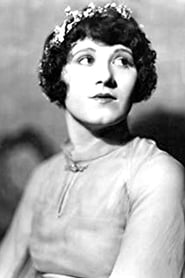
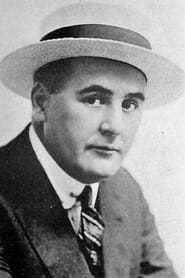
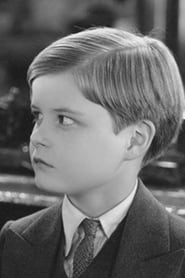
Cast & crew
More Drama films
View all →






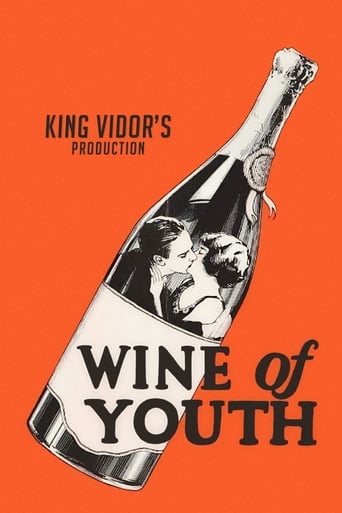
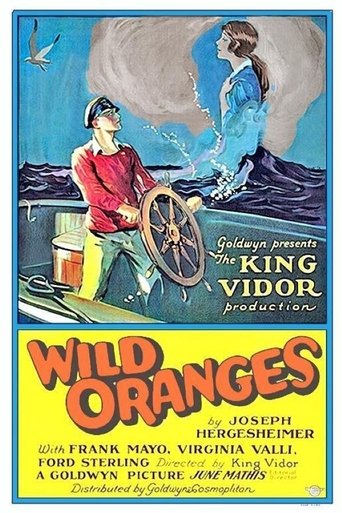
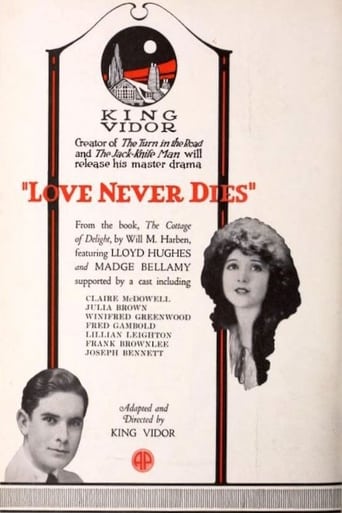
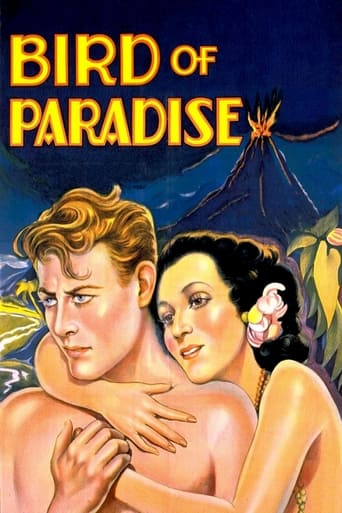
More from King Vidor
View all →

More about this film
About the production
Release dateFebruary 18, 1928 (premiere), March 4, 1928 (general release)
BudgetApproximately $475,000 (unusually high for a silent film of its era)
Box officeApproximately $1 million worldwide (considered a commercial disappointment)
ProductionMetro-Goldwyn-Mayer (MGM)
Filmed inMGM Studios in Culver City, California, New York City (location shooting), Coney Island, Brooklyn
King Vidor fought extensively with MGM executives to get the film made, as they considered it too bleak and experimental. The film featured revolutionary camera techniques including crane shots that soared over city streets, and was one of the first to use real office buildings rather than studio sets. James Murray was discovered by Vidor working as an extra and given his first major role. Eleanor Boardman, who played Mary, was Vidor's wife at the time. The production budget was considered enormous for a non-epic silent film.
Themes
Urban alienation and isolationThe dehumanizing effects of modern industrial societyThe gap between the American Dream and realityThe struggle for individual identity in mass societyMarriage and family under economic pressure
Themes & topics
New York Cityurban lifemarriagestruggleambitionoffice workerfamilytragedyfinancial hardshipalienationAmerican Dreamcrowdanonymitydepressionhoperesilienceworking classsocial realismsilent filmdrama
Historical background
King Vidor's 1928 MGM feature spoke to Jazz Age anxieties about corporate work and urban alienation on the eve of the Depression.
Why this film matters
The massive crowd scenes and open ending influenced later American realism from social dramas to city symphonies.
Making of
The production of "The Crowd" was marked by King Vidor's determination to create something radically different from typical Hollywood fare. He fought for years with MGM executives, particularly Irving Thalberg, who initially rejected the project as too bleak and experimental. Vidor's vision was to create a film that would capture the essence of modern urban life, showing how individuals can become lost in the anonymous masses of the city. The filming involved numerous technical innovations, including the use of a crane to achieve sweeping shots over New York streets - a technique that was groundbreaking at the time. The casting of James Murray as John was particularly significant; Vidor discovered the actor working as an extra and saw in him the perfect embodiment of the everyman character he wanted to portray. Eleanor Boardman, who played Mary, was Vidor's wife at the time, and her naturalistic performance helped ground the film in reality. The production also featured extensive location shooting in New York City, which was unusual for the era and added to the film's authentic feel.
What critics said
Critics hailed Vidor's scale and James Murray's performance; the film's downbeat finish divided audiences but secured its critical legacy.
Did you know?
- King Vidor was inspired to make the film after reading a statistic that the average American worker would hold 8,000 different jobs in their lifetime.
- The film's innovative opening sequence showing a massive crowd was achieved by having hundreds of extras walk in a circle around the camera.
- James Murray, who played John, was discovered by Vidor working as an extra on another film set. This was his first and only major role.
- The film was one of the first to realistically depict office life in America, with actual office workers used as extras.
- MGM initially refused to distribute the film, considering it too depressing, but Vidor's persistence eventually won them over.
- The film's budget of $475,000 was considered enormous for a non-epic silent film of its era.
- The famous scene where John and Mary meet was shot on location at Coney Island, capturing authentic amusement park atmosphere.
- The film's ending was changed from Vidor's original vision; the studio insisted on a more hopeful conclusion.
- The Crowd" was one of the first films selected for preservation in the National Film Registry in 1989.
- The film's realistic approach to urban life influenced countless subsequent films about city living.
- King Vidor considered this his personal favorite of all the films he directed.
Awards & recognition
- Academy Honorary Award for Unique and Artistic Production (1929) - nominated
Visual style
The cinematography of "The Crowd," primarily by Henry Sharp, was revolutionary for its time and remains one of the film's most celebrated aspects. The film pioneered the use of crane shots to capture the scale and energy of New York City, creating sweeping views that emphasized the overwhelming nature of urban life. The opening sequence, which shows a massive crowd of people from above, was particularly innovative and has been widely imitated. Sharp and Vidor employed numerous other technical innovations, including deep focus photography that kept both foreground and background in sharp detail, and tracking shots that followed characters through crowded streets. The film also made extensive use of actual New York locations rather than studio sets, giving it an unprecedented level of realism. The visual style emphasized the contrast between the intimate human drama and the impersonal urban environment, using wide shots to show characters as small figures in the vast cityscape and close-ups to capture their emotional struggles.
Innovations
"The Crowd" was technically groundbreaking in numerous ways that influenced cinema for decades to come. The film's most famous technical innovation was its use of crane shots, which were extremely rare at the time. Vidor and his team constructed special camera rigs that could be raised high above the streets to capture sweeping views of the city, creating a sense of scale and perspective that was unprecedented. The film also pioneered the use of location shooting in urban environments, moving away from the studio-bound productions that dominated Hollywood. The production team developed new techniques for filming in actual office buildings and on city streets, overcoming numerous logistical challenges. The film's editing was also innovative, using rapid cuts and montage sequences to convey the passage of time and the overwhelming nature of urban life. The sound design, while limited by the technology of the era, was creative in its use of synchronized music and sound effects to enhance the film's emotional impact.
Music
As a silent film, "The Crowd" was originally accompanied by a musical score performed live in theaters. The original score was composed by William Axt and included both original compositions and adaptations of popular songs of the era. The music was designed to enhance the emotional impact of key scenes, with lighter, more optimistic themes for the early romantic scenes and darker, more dramatic music for the moments of crisis and despair. In 1989, composer Carl Davis created a new orchestral score for the film's restoration, which has become the standard accompaniment for modern screenings. Davis's score draws on both classical and popular music traditions of the 1920s, creating an authentic period sound while also providing emotional support for the film's narrative. The score features prominent use of brass instruments to represent the industrial urban setting, with more intimate string passages for the personal moments between John and Mary.
Famous quotes
I'm going to be somebody big! I'm going to be the President of the United States!" - John's youthful ambition
You're just one of the crowd, John. That's all any of us are." - Mary's sobering observation
It's a big city, John. It's easy to get lost in it." - Warning about urban anonymity
We'll make it, Mary. We have to make it." - John's determination in the face of hardship
All I want is a little place in the sun. Is that too much to ask?" - John's plea for dignity and success
Memorable scenes
- The opening sequence with the sweeping crane shot over the massive crowd, establishing the film's central theme of urban anonymity
- The scene where John and Mary meet at Coney Island, capturing the joy and hope of young love
- The office scenes showing the dehumanizing nature of modern corporate work
- The heartbreaking sequence dealing with the death of their child
- The final scene on the crowded theater balcony, showing the couple finding peace in their small corner of the world
What audiences thought
Contemporary audience response to "The Crowd" was lukewarm at best, with many finding its realistic portrayal of urban struggle too depressing for entertainment. The film was not a commercial success upon release, failing to recoup its substantial production budget. Many audiences of the era preferred the escapist fantasies and romantic comedies that dominated Hollywood output, finding Vidor's unflinching realism unsettling. However, the film did find appreciation among more sophisticated viewers and critics who recognized its artistic merits. Over the decades, as the film's reputation has grown, it has found new audiences through film societies, art house screenings, and home video releases. Modern audiences tend to appreciate its historical significance and its surprisingly contemporary themes of urban alienation and economic struggle. The film's reputation as a masterpiece has made it a staple of film studies courses and classic cinema retrospectives.
Film connections
Influenced by
- German Expressionist cinema (particularly in its use of urban settings and psychological themes)
- Soviet montage theory (in its innovative editing techniques)
- Realist literary tradition (particularly the works of Theodore Dreiser and Sinclair Lewis)
- Documentary filmmaking (in its use of actual locations and non-professional actors)
- French poetic realism (in its blend of poetic style and social commentary)
This film influenced
- Modern Times (1936) - Charlie Chaplin's film about modern industrial society
- City Lights (1931) - Another film exploring urban alienation and romance
- The Grapes of Wrath (1940) - John Ford's film about economic hardship and family
- On the Waterfront (1954) - Elia Kazan's exploration of working-class struggle
- Midnight Cowboy (1969) - John Schlesinger's film about urban alienation
- Taxi Driver (1976) - Martin Scorsese's portrait of urban isolation
- Falling Down (1993) - Joel Schumacher's film about urban frustration
- American Beauty (1999) - Sam Mendes' critique of suburban life
Film restoration
"The Crowd" has been well-preserved and is considered among the pivotal surviving films of the silent era. It was one of the first films selected for preservation in the National Film Registry in 1989, recognizing its cultural, historical, and aesthetic significance. The film has undergone restoration by the Museum of Modern Art and other film preservation organizations, with efforts made to preserve both the visual elements and reconstruct the original score. The restored version includes a new orchestral score by Carl Davis, which has become the standard accompaniment for modern screenings. The film is preserved in the archives of several major institutions, including the Library of Congress and the Museum of Modern Art, ensuring its availability for future generations.
Where to watch
- The Criterion Collection (Blu-ray/DVD)
- The Warner Archive Collection (DVD)
- The Criterion Channel (streaming)
- Kanopy (streaming with library card)
- MUBI (occasionally available)
- Turner Classic Movies (occasional broadcasts)
- Film archives and museums (special screenings)
- Educational institutions (film studies programs)