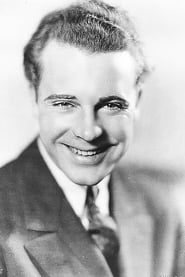
James Murray
Actor
Born: February 9, 1901 in The Bronx, New York, USA Died: July 11, 1936 Active: 1928-1936 Birth Name: James Joseph Murray
Films
3 films
About James Murray
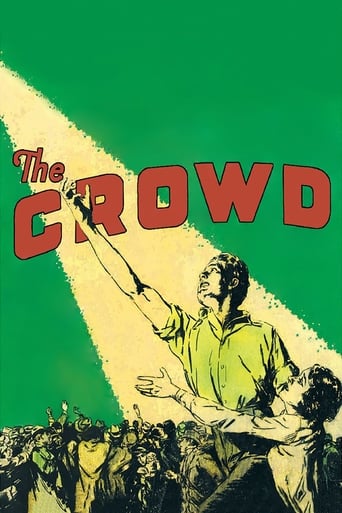
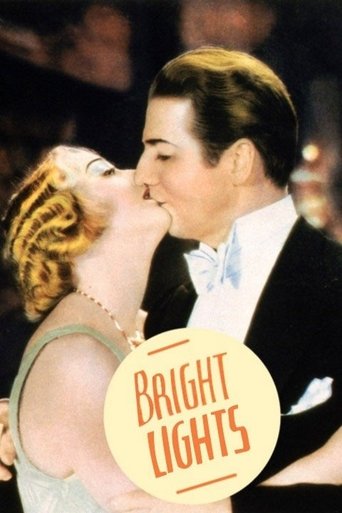
The 1928 film The Crowd is the only title linked here for James Murray. Discovered by director King Vidor while working as a bellhop at New York's Hotel Astor, Murray was cast as the lead in the silent film 'The Crowd' (1928). His naturalistic performance as John Sims, an ordinary man struggling in the metropolis, was hailed as revolutionary for its time and showcased his remarkable talent for conveying deep emotion without dialogue. Following the critical success of 'The Crowd,' Murray appeared in 'The Shakedown' (1929) and several other films, but his increasing alcoholism and erratic behavior quickly derailed his promising career. Despite attempts by Vidor to help him, including offering him roles in subsequent films, Murray's personal demons proved insurmountable. His life ended tragically at age 35 when he drowned in the Hudson River in 1936, an event many believed to be suicide. Murray's legacy endures primarily through his powerful performance in 'The Crowd,' which remains acclaimed films of the silent era and proof of his brief but brilliant contribution to cinema.
The Craft
On Screen
James Murray pioneered a naturalistic acting style that was revolutionary for the silent era, moving away from the exaggerated gestures typical of the period. His performance in 'The Crowd' was characterized by subtle facial expressions, restrained body language, and an authentic portrayal of everyday emotions that audiences found deeply relatable. Murray had an innate ability to convey complex psychological states through minimal movement, relying on his eyes and slight gestures to communicate the inner turmoil of his characters. This approach to acting presaged the more realistic style that would become standard in sound cinema, making him ahead of his time in understanding that less could be more powerful on screen.
Milestones
- Discovered by King Vidor while working as a bellhop
- Starred in the groundbreaking silent film 'The Crowd' (1928)
- Delivered a revolutionary naturalistic performance in 'The Crowd'
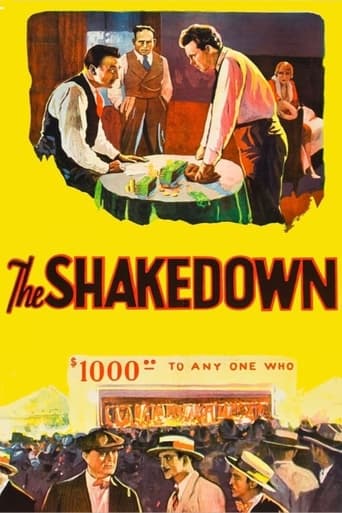
- Appeared in 'The Shakedown' (1929)
- Received critical acclaim for his acting style
- Became a symbol of Hollywood's tragic stories
Best Known For
Iconic Roles
Must-See Films
Accolades
Working Relationships
Worked Often With
Studios
Why They Matter
Impact on Culture
James Murray's performance in 'The Crowd' had a profound impact on cinema, particularly in demonstrating the power of naturalistic acting in silent films. His portrayal of an ordinary man struggling against the impersonal forces of modern society resonated deeply with audiences during the Great Depression and helped establish a new standard for realistic performance in American cinema. The film itself, bolstered by Murray's authentic performance, influenced generations of filmmakers and actors, showing that everyday stories could be as compelling as melodramatic tales. Murray's tragic life story also became a cautionary tale in Hollywood, illustrating the dark side of fame and the industry's failure to protect vulnerable talent during the studio system era.
Lasting Legacy
James Murray's legacy is primarily defined by his extraordinary performance in 'The Crowd,' which film historians consistently rank among the greatest acting achievements in silent cinema. Despite his brief career and limited filmography, Murray's naturalistic approach to acting influenced the transition to sound films, helping establish that subtlety and authenticity could be more powerful than theatrical exaggeration. His tragic story has become part of Hollywood lore, often cited as an example of the human cost of the studio system and the pressures of sudden fame. Film scholars continue to study his work as a pivotal moment in the evolution of screen acting, and 'The Crowd' remains a touchstone for understanding the artistic heights silent cinema could achieve.
Who They Inspired
Murray's naturalistic acting style directly influenced the transition from the exaggerated pantomime of early silent films to the more subtle performances that became standard in sound cinema. His approach demonstrated that actors could convey complex emotions through minimal gestures and facial expressions, paving the way for the method acting techniques that would emerge in the following decades. Contemporary actors studying silent film performance often look to Murray's work as an example of how to achieve emotional authenticity without dialogue. Directors who worked with him, particularly King Vidor, incorporated his naturalistic style into their subsequent films, helping spread this approach throughout the industry.
Off Screen
James Murray's personal life was marked by tragedy and struggle, overshadowing his brief but brilliant acting career. He married actress Marion Sayers in 1928, but the relationship was tumultuous and ended in divorce, partly due to his escalating alcoholism. Murray's drinking problem began after the success of 'The Crowd' when he struggled to cope with the pressures of sudden fame and the expectations that followed. He had one son, James Murray Jr., who was largely raised by his mother after Murray's life deteriorated. Despite attempts by friends and colleagues to help him overcome his addiction, Murray's personal demons proved too powerful, leading to a downward spiral that culminated in his tragic death at age 35.
Education
Limited formal education, left school early to work various jobs including bellhop and manual labor
Family
- Marion Sayers (1928-1934)
Did You Know?
- Discovered by King Vidor while working as a bellhop at the Hotel Astor in New York
- Was paid $75 per week for his role in 'The Crowd'
- Turned down a long-term contract with MGM after 'The Crowd', wanting to be a free agent
- His alcoholism began shortly after completing 'The Crowd'
- King Vidor tried to help Murray multiple times, including offering him roles in later films
- Murray disappeared for days during the filming of 'The Crowd' due to drinking binges
- His death was officially ruled an accidental drowning, though many suspected suicide
- Murray's body was found in the Hudson River after he had been missing for several days
- He was only 27 years old when he made his film debut in 'The Crowd'
- His performance in 'The Crowd' was so natural that many viewers thought he was a non-professional actor
In Their Own Words
I don't want to be a star. I just want to be a good actor.
The crowd doesn't care about one man. That's what I learned making that picture.
Frequently Asked Questions
Who was James Murray?
American with credits in this catalog. Discovered while working as a bellhop, Murray delivered a revolutionary naturalistic performance that influenced the transition to sound cinema, though his promising career was tragically cut short by personal struggles and alcoholism.
What films is James Murray best known for?
Titles linked here include The Crowd (1928), The Shakedown (1929).
When was James Murray born and when did he die?
Born February 9, 1901; died July 11, 1936.
What awards did James Murray win?
James Murray did not receive any major awards during his lifetime, as his career was too brief and occurred before many modern film awards were established. However, his performance in 'The Crowd' has been posthumously recognized by film historians as one of the greatest in silent cinema, and the film itself was selected for preservation in the National Film Registry in 1989.
What was James Murray's acting style?
James Murray pioneered a naturalistic acting style that was revolutionary for the silent era, moving away from the exaggerated gestures typical of the period. His performance relied on subtle facial expressions, restrained body language, and authentic portrayal of everyday emotions, presaging the realistic style that would become standard in sound cinema.