The Shakedown
"Life less successful professional."
Keys: Space play/pause · ←/→ 10s · F fullscreen · M mute · </> speed
About this film
The life of a less-than successful professional boxer changes when he takes in an orphan.
Cast & crew
More films like this
More Drama films
View all →







More from William Wyler
View all →
More about this film
About the production
Release dateMarch 24, 1929
Box officeBox office figures are not recorded for this 1929 release
ProductionUniversal Pictures
Filmed inUniversal Studios lot, Universal City, California
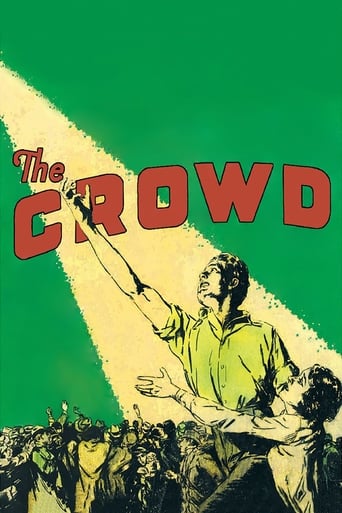
This was one of William Wyler's earliest directorial efforts at Universal, made during the challenging transition from silent films to talkies. The film was produced as a part-talkie, featuring synchronized sound effects and some dialogue sequences while maintaining many silent film techniques. James Murray, who had been a major star in King Vidor's 'The Crowd' (1928), was cast to capitalize on his recent fame, though his career was already in decline due to personal issues.
Themes
Redemption and moral transformationCorruption in sports and societyFatherhood and found familyThe American Dream and social mobilityHonor versus expediency
Themes & topics
boxingorphancorruptionredemptionfather figurefixed fightmoral dilemmapovertysecond chancesportscrimefamilyhonorsacrificeunderdog
Historical background
Released around 1929, The Shakedown reached audiences while exhibitors were still shaping program length and star promotion.
Why this film matters
Archivists revisit The Shakedown (1929) for performance styles and craft choices that later releases refined or replaced.
Making of
The production of 'The Shakedown' took place during among the leading tumultuous periods in Hollywood history - the transition from silent to sound films. Universal Pictures, like other studios, was scrambling to convert their facilities and personnel to accommodate the new technology. Director William Wyler, only in his mid-20s, was given this assignment as part of his development as a contract director. The film's star, James Murray, was reportedly difficult during production, still suffering from the career setbacks and personal problems that followed his breakthrough in 'The Crowd.' The boxing sequences required careful choreography to appear realistic while ensuring the safety of the actors. George Kotsonaros's real fighting background was invaluable in these scenes. The production utilized Universal's standing sets and backlot facilities, typical of the studio's efficient B-picture unit. The sound recording was primitive by modern standards, with the microphone often hidden in props or on the floor, limiting the actors' movement during dialogue scenes.
What critics said
Press files from 1929 rarely give The Shakedown extended review space; mentions appear in roundup columns.
Did you know?
- James Murray, the star of this film, had been the lead in King Vidor's acclaimed 'The Crowd' (1928) but his career was already declining due to alcoholism and difficult behavior on set.
- George Kotsonaros, who plays the antagonist, was actually a professional wrestler and boxer in real life, bringing authentic fighting experience to his role.
- This was one of William Wyler's first films as a director at Universal Pictures, where he was learning his craft under the studio system.
- The film was released during the chaotic transition period between silent and sound cinema, resulting in a hybrid 'part-talkie' format.
- Barbara Kent was one of the few actresses who successfully transitioned from silent films to talkies, partly due to her pleasant voice and acting ability.
- The orphan character was played by child actor Jack Hanlon, who would later appear in the classic 'The Big Parade' (1925).
- The boxing sequences were filmed with real boxing choreography, unusual for the period when most fight scenes were obviously faked.
- Universal Pictures produced this film as a B-picture, filling the bottom half of double bills during the early sound era.
- The title 'The Shakedown' refers both to boxing slang for a fixed match and to the criminal practice of extorting money, reflecting the film's dual themes.
- Despite being made by a future director, the film was considered a routine programmer and received little attention upon release.
Visual style
The cinematography of 'The Shakedown' reflects the transitional nature of 1929 filmmaking. As a part-talkie, it combines the visual storytelling techniques of silent cinema with the new requirements of sound recording. The camera work, likely by Universal regular Charles Stumar or Hal Mohr, employs the dramatic lighting and composition typical of late silent films. The boxing sequences feature dynamic camera movement for the period, with low angles and close-ups to enhance the action's intensity. The sound recording equipment of the era required cameras to be more static during dialogue scenes, resulting in more theatrical staging in those moments. The film uses contrast between the gritty, shadowy world of boxing arenas and the warmer lighting of domestic scenes to visually reinforce its moral themes. The cinematography effectively captures the atmosphere of late 1920s urban America, with its blend of glamour and seediness characteristic of the boxing world.
Innovations
While 'The Shakedown' was not a groundbreaking technical achievement, it successfully navigated the challenging transition from silent to sound cinema. As a part-talkie, it demonstrated how filmmakers could combine the visual sophistication of late silent films with the new possibilities of synchronized sound. The boxing sequences featured relatively sophisticated sound effects for the period, creating an immersive experience of prizefighting. The film's production team managed to maintain visual dynamism while accommodating the technical limitations of early sound recording, which often resulted in static camera work. The successful integration of music, sound effects, and dialogue showed the growing sophistication of Hollywood's approach to sound pictures. The film also demonstrated how Universal's B-picture unit could efficiently produce technically competent sound films on a limited budget, contributing to the studio's successful adaptation to the new era. These technical achievements, while modest, represented important steps in the evolution of cinema during this pivotal year.
Music
As a part-talkie from 1929, 'The Shakedown' featured a hybrid soundtrack combining synchronized music, sound effects, and limited dialogue. The musical score was likely compiled from Universal's library of stock music, typical of the period, with original themes composed for key emotional moments. The sound effects for the boxing sequences - punches, crowd noise, bell rings - were recorded live on set or added in post-production using early sound-on-film technology. The dialogue scenes would have been recorded using primitive microphones hidden on set, resulting in somewhat muffled audio quality by modern standards. The film likely included a musical overture and intermission music, standard practice for features of this era. The transition between silent sequences with musical accompaniment and talking scenes created a unique viewing experience that reflected the industry's adaptation to sound technology. The soundtrack, while limited by technical constraints, effectively supported the film's emotional beats and action sequences.
Famous quotes
Every man's got to take a beating sometime. The trick is knowing when to stay down and when to get up.
You can't fix fights forever without fixing yourself.
A man's not measured by the punches he throws, but by the ones he takes for what's right.
In this ring, you either learn to fight clean or you learn to lose dirty.
Taking care of that kid taught me more about fighting than any ring ever did.
Memorable scenes
- The climactic boxing match where Jack finally fights honestly despite pressure from his manager, intercut with shots of the orphan boy watching anxiously from the audience
- The poignant scene where Jack first meets the orphan and decides to take him in, showing his character's capacity for change
- The tense confrontation between Jack and his manager where Jack refuses to throw another fight, marking his moral transformation
- The training montage where Jack prepares for his honest fight, paralleling his emotional growth with his physical preparation
- The final scene where Jack, win or lose, proves his worth to the boy by choosing integrity over money
What audiences thought
Audience reception in 1929 appears to have been modest, with the film performing adequately as a second feature on double bills. The boxing theme likely attracted male audiences, while the sentimental father-son storyline appealed to family viewers. James Murray's star power, though diminished after 'The Crowd,' still drew some curiosity from moviegoers. The film's release timing, just before the stock market crash, meant it reached audiences during a period of relative economic stability, though the subsequent Depression may have made its themes of financial struggle and redemption particularly resonant. Unlike many films of the era, 'The Shakedown' did not generate significant word-of-mouth or develop a cult following. Most audience members would have viewed it as entertainment for a single evening rather than a memorable cinematic experience. The limited availability of the film in subsequent decades has prevented it from developing a retrospective audience appreciation.
Film connections
Influenced by
- The Crowd (1928) - thematic influence in its portrayal of urban struggle
- The Champ (1931) - similar themes of boxing and fatherhood
- D.W. Griffith's moral melodramas
- German Expressionist cinema - visual style influence
- Contemporary boxing films of the late 1920s
This film influenced
- The Champ (1931) - similar boxing and fatherhood themes
- Golden Boy (1939) - boxing moral dilemma
- On the Waterfront (1954) - corruption in sports themes
- Rocky (1976) - underdog boxer narrative
- The Wrestler (2008) - aging athlete redemption arc
Film restoration
The preservation status of 'The Shakedown' (1929) is uncertain but believed to be incomplete. Like many Universal Pictures films from this period, it may exist in archives or private collections but is not widely available. The film is not listed among the lost films of the era, suggesting at least one copy survives, possibly in the Universal Studios vaults or at a film archive like the Library of Congress or UCLA Film & Television Archive. As a part-talkie from the early sound era, any surviving prints would be valuable for historical study. The film has not received a commercial home video release or restoration, indicating either preservation challenges or lack of perceived commercial viability. Film preservation organizations have expressed concern about the survival rate of early sound films, making the status of 'The Shakedown' particularly significant for cinema history.
Where to watch
- Currently, 'The Shakedown' (1929) is not commercially available on any streaming platforms or home video formats
- Film archives and specialized cinema libraries may have access to prints for research purposes
- Occasionally screened at film festivals or special events focusing on early cinema or William Wyler's work
- May be available through the Universal Studios archive for academic or research requests
- Some film preservation societies occasionally show rare prints during special programming
- No legitimate digital or physical releases are currently available to the general public