Barbara Kent
Actor
Born: December 16, 1907 in Midland, Ontario, Canada Died: October 13, 2011 Active: 1926-1933 Birth Name: Barbara Louise Klotter
Films
8 films



About Barbara Kent
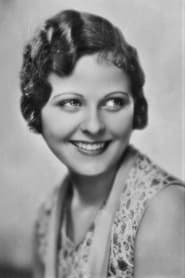
Canadian-American actress who rose to prominence during the transition from silent films to talkies in late 1920s Hollywood. Born Barbara Louise Klotter, she began her career after winning a beauty contest and was quickly signed by Universal Pictures. Her breakthrough came with her selection as one of the WAMPAS Baby Stars in 1927, which launched her into stardom. Kent worked alongside performers including Greta Garbo, John Gilbert, and Harold Lloyd, establishing herself as a versatile actress capable of both dramatic and comedic roles. Her most critically acclaimed performance came in the partially sound film 'Lonesome' (1928), which showcased her ability to adapt to the new era of talking pictures. Despite her success and promising career trajectory, Kent retired from acting in 1933 shortly after marrying agent/producer Harry E. Edington, choosing to live a private life away from Hollywood. She lived to be 103 years old, becoming one of the last surviving stars from the silent era and maintaining her privacy until her death in 2011.
The Craft
On Screen
Barbara Kent was known for her natural, understated acting style that translated well from silent films to talkies. She possessed a delicate screen presence with expressive eyes that conveyed emotion effectively in silent cinema, while her clear voice and natural delivery made her transition to sound films seamless. Kent specialized in portraying sweet, innocent young women but demonstrated versatility in both dramatic roles and light comedy. Her performances were characterized by their authenticity and lack of theatrical exaggeration, which set her apart from many of her contemporaries in the late silent era.
Milestones
- Selected as WAMPAS Baby Star in 1927
- Starred opposite Greta Garbo and John Gilbert in 'Flesh and the Devil' (1926)
- Critically acclaimed performance in 'Lonesome' (1928)
- Successful transition from silent films to talkies
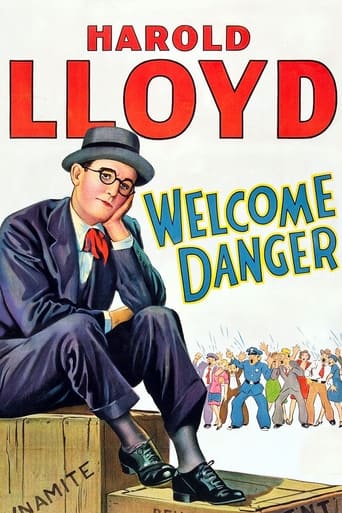
- Starred with Harold Lloyd in 'Welcome Danger' (1929)
- Retired at the height of her career in 1933
Best Known For
Iconic Roles
Must-See Films
Accolades
Won
- WAMPAS Baby Star (1927)
- Hollywood Walk of Fame Star (for motion pictures)
Special Recognition
- One of the last surviving stars from the silent era
- Recognized for successful transition from silent to sound films
Working Relationships
Worked Often With
Studios
Why They Matter
Impact on Culture
Barbara Kent represents the transitional period between silent cinema and the sound era, embodying the challenges and successes of actors who made this technological leap. Her performance in 'Lonesome' (1928) is particularly significant as it was one of the early films to incorporate synchronized sound and music, showcasing how silent film techniques could evolve with new technology. Kent's career trajectory also illustrates the common pattern of actresses from this era who prioritized marriage and family over continued stardom. As one of the last surviving silent film stars, she became a living connection to Hollywood's foundational years, though her privacy meant she rarely participated in retrospective celebrations of silent cinema.
Lasting Legacy
Barbara Kent's legacy lies primarily in her body of work from the late 1920s, particularly her acclaimed performance in 'Lonesome,' which remains a significant film in cinema history for its innovative use of sound. Her successful transition from silent to sound films demonstrated that not all silent stars were 'washed up' by the talkies, contrary to popular belief. Kent's longevity made her a valuable source for film historians studying the silent era, though her reclusive nature meant much of her personal experience remained undocumented. Her star on the Hollywood Walk of Fame ensures her contribution to cinema is permanently recognized, while her films continue to be studied and appreciated by classic cinema enthusiasts.
Who They Inspired
While Barbara Kent's relatively short career limited her direct influence on subsequent generations of actors, her natural acting style and successful transition to sound films provided a model for other silent era performers. Her ability to convey emotion subtly without theatrical excess influenced the more naturalistic acting style that would become standard in sound cinema. The preservation of her films, particularly 'Lonesome,' continues to educate modern actors and filmmakers about the techniques of late silent cinema and the challenges of early sound production. Her career also serves as a case study in the choices faced by women in early Hollywood, many of whom chose to retire early for personal reasons despite professional success.
Off Screen
Barbara Kent led a remarkably private life after her Hollywood career. She married Harry E. Edington, an agent and producer, in 1932, and this marriage led to her retirement from acting the following year. The couple remained married until Edington's death in 1949. Kent never remarried and had no children. After leaving Hollywood, she completely withdrew from public life and rarely gave interviews or made public appearances. She spent her later years in Palm Desert, California, maintaining her privacy even as interest in silent film stars grew in her final decades. Her longevity made her one of the last living links to Hollywood's golden silent era.
Education
Limited information available about her formal education before entering films
Family
- Harry E. Edington (1932-1949)
Did You Know?
- Was one of the WAMPAS Baby Stars of 1927, a group of young actresses selected for their potential
- Lived to be 103 years old, making her one of the longest-lived silent film stars
- Her real name was Barbara Louise Klotter
- Won a beauty contest that led to her discovery by Universal Pictures
- Retired from acting at age 26 after just seven years in films
- Completely avoided Hollywood and public life for over 70 years after her retirement
- Her film 'Lonesome' (1928) was partially reshot with sound after its initial silent release
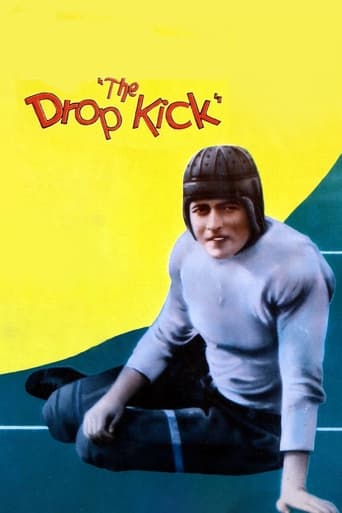
- Starred with a very young John Wayne in 'The Drop Kick' (1927)
- Was one of the few silent stars who successfully made the transition to talkies
- Never gave interviews about her Hollywood career after her retirement
In Their Own Words
I had a wonderful life in movies, but I wanted a wonderful life with my husband more.
Frequently Asked Questions
Who was Barbara Kent?
Canadian-American actress who starred in silent films and early talkies during the late 1920s. She was selected as a WAMPAS Baby Star in 1927 and worked with major stars like Greta Garbo, John Gilbert, and Harold Lloyd before retiring from acting in 1933 at age 26.
What films is Barbara Kent best known for?
Titles linked here include Flesh and the Devil (1926), Lonesome (1928).
When was Barbara Kent born and when did she die?
Born December 16, 1907; died October 13, 2011.
What awards did Barbara Kent win?
Barbara Kent was selected as one of the WAMPAS Baby Stars in 1927, an honor given to promising young actresses. She also received a star on the Hollywood Walk of Fame for her contributions to motion pictures.
What was Barbara Kent's acting style?
Barbara Kent was known for her natural, understated acting style that worked well in both silent and sound films. She had a delicate screen presence with expressive eyes for silent cinema and a clear, natural voice for talkies, often portraying sweet, innocent characters with authenticity rather than theatrical exaggeration.
Why did Barbara Kent retire so early?
Barbara Kent retired from acting in 1933 at age 26, shortly after marrying agent and producer Harry E. Edington. Like many actresses of her era, she chose to prioritize her marriage and private life over her Hollywood career, completely withdrawing from public life for the remainder of her long life.
How did Barbara Kent transition from silent to sound films?
Barbara Kent successfully transitioned from silent to sound films, which was relatively rare for stars of her era. Her clear voice and natural acting style helped her make the leap, as demonstrated in films like 'Lonesome' (1928), which incorporated sound elements, and 'Welcome Danger' (1929), which was a full talkie.