
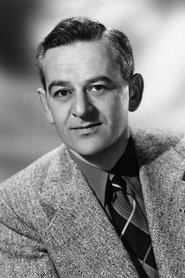
William Wyler
Director
Born: July 1, 1902 in Mulhouse, Alsace, German Empire (now France) Died: July 27, 1981 Active: 1925-1970 Birth Name: Wilhelm Weiller
Films
3 films
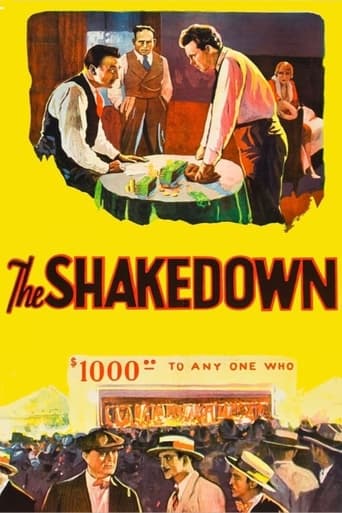
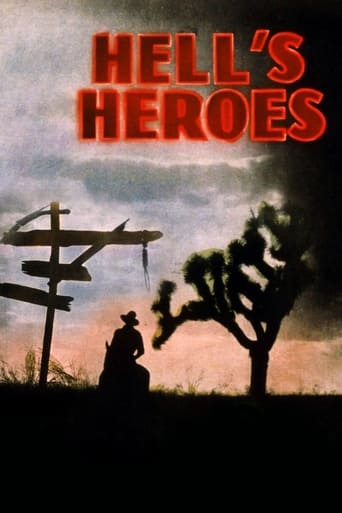
About William Wyler
William Wyler was born Wilhelm Weiller on July 1, 1902, in Mulhouse, Alsace (then part of the German Empire), to a Swiss Jewish family. He began his film career in 1920s France as an assistant to Universal Studios executive Carl Laemmle, who was his distant cousin, and moved to Hollywood in 1921. Wyler worked his way up from messenger boy to assistant director, making his directorial debut with westerns in the late 1920s. His breakthrough came with 'Dodsworth' (1936), establishing his reputation for sophisticated dramas and meticulous attention to detail. During World War II, he served as a major in the U.S. Army Air Forces and directed acclaimed documentaries including 'The Memphis Belle' (1944). Post-war, Wyler directed some of Hollywood's most celebrated films, including 'The Best Years of Our Lives' (1946), 'Roman Holiday' (1953), and 'Ben-Hur' (1959). He holds the record for most Academy Award nominations for Best Director (12) and won three times, cementing his legacy as one of cinema's most respected and influential directors.
The Craft
Behind the Camera
Known for his meticulous perfectionism, often requiring 50+ takes for a single scene. Wyler excelled in visual storytelling, using deep focus composition and precise camera movements to enhance emotional impact. He specialized in drawing nuanced performances from actors, earning him the nickname '40-Take Wyler' for his insistence on perfection. His films balanced commercial appeal with artistic sophistication, focusing on human dignity and moral complexity.
Milestones
- Directed first feature film 'The Crook Buster' (1925)
- Breakthrough with 'Dodsworth' (1936)
- Won first Oscar for 'Mrs. Miniver' (1942)
- Directed wartime documentary 'The Memphis Belle' (1944)
- Won Oscar for 'The Best Years of Our Lives' (1946)
- Directed Audrey Hepburn to Oscar in 'Roman Holiday' (1953)
- Won third Oscar for 'Ben-Hur' (1959)
- Received AFI Lifetime Achievement Award (1976)
Best Known For
Must-See Films
Accolades
Won
- Academy Award for Best Director - Mrs. Miniver (1942)
- Academy Award for Best Director - The Best Years of Our Lives (1946)
- Academy Award for Best Director - Ben-Hur (1959)
- Academy Award for Best Picture - Mrs. Miniver (1942) as producer
- Academy Award for Best Picture - The Best Years of Our Lives (1946) as producer
- Academy Award for Best Picture - Ben-Hur (1959) as producer
- Golden Globe for Best Director - Ben-Hur (1959)
- Directors Guild of America Award - Ben-Hur (1959)
- New York Film Critics Circle Award - The Best Years of Our Lives (1946)
Nominated
- Academy Award for Best Director - Dodsworth (1936)
- Academy Award for Best Director - Wuthering Heights (1939)
- Academy Award for Best Director - The Letter (1940)
- Academy Award for Best Director - The Little Foxes (1941)
- Academy Award for Best Director - The Heiress (1949)
- Academy Award for Best Director - Detective Story (1951)
- Academy Award for Best Director - Roman Holiday (1953)
- Academy Award for Best Director - Friendly Persuasion (1956)
- Academy Award for Best Director - The Children's Hour (1961)
- Academy Award for Best Picture - The Best Years of Our Lives (1946)
- Academy Award for Best Picture - Ben-Hur (1959)
- Academy Award for Best Picture - Funny Girl (1968)
Special Recognition
- AFI Life Achievement Award (1976)
- Hollywood Walk of Fame Star (1960)
- Irving G. Thalberg Memorial Award (1966)
- Kennedy Center Honors (1979)
- National Medal of Arts (1980)
- DGA Lifetime Achievement Award (1976)
Working Relationships
Worked Often With
Studios
Why They Matter
Impact on Culture
William Wyler fundamentally shaped American cinema through his masterful direction of socially relevant films that addressed contemporary issues while maintaining broad commercial appeal. His wartime documentaries, particularly 'The Memphis Belle,' provided authentic glimpses into the realities of war, influencing the genre of military documentaries. 'The Best Years of Our Lives' revolutionized how Hollywood portrayed returning veterans and their struggles with reintegration into society, winning nine Oscars and resonating deeply with post-war audiences. His adaptation of literary works like 'Wuthering Heights' and 'The Heiress' set new standards for literary adaptations, demonstrating how classic literature could be successfully translated to the screen while maintaining its artistic integrity.
Lasting Legacy
William Wyler's legacy as one of cinema's greatest directors is cemented by his record 12 Academy Award nominations for Best Director and three wins. He holds the unique distinction of directing more actors to Oscar-nominated performances than any other director in history. His films continue to be studied in film schools for their technical excellence, particularly his innovative use of deep focus cinematography with Gregg Toland. Wyler's commitment to human dignity and social justice in his storytelling influenced generations of filmmakers. The 'Wyler touch'—combining commercial success with artistic merit and social relevance—became a benchmark for quality filmmaking in Hollywood's Golden Age and beyond.
Who They Inspired
Wyler's meticulous approach to directing and his ability to elicit career-best performances from actors influenced countless directors who followed. His collaboration with cinematographer Gregg Toland on deep focus techniques in 'The Best Years of Our Lives' predated and influenced Orson Welles' 'Citizen Kane.' Directors like Steven Spielberg, Martin Scorsese, and Fred Zinnemann have cited Wyler as a major influence on their work. His method of preparing actors through extensive rehearsals and multiple takes became standard practice in Hollywood. Wyler's success in bridging art and commerce paved the way for later directors who sought to make meaningful films within the studio system.
Off Screen
William Wyler married actress Margaret Tallichet in 1938, and their marriage lasted until his death in 1981. They had five children together: Catherine, Judith, William Jr., David, and Melanie. Wyler was known for his intense work ethic and perfectionism on set, but was described as warm and generous in his personal life. He became a naturalized U.S. Citizen in 1928. Despite his success, Wyler remained humble and was known for mentoring younger directors throughout his career. He suffered from a heart condition in his later years and died of a heart attack at age 79.
Education
Attended Lausanne University in Switzerland, studied music but left before graduating; later studied at Conservatoire de Paris for a brief period before moving to America
Family
- Margaret Tallichet (1938-1981)
Did You Know?
- Holds the record for most Academy Award nominations for Best Director (12)
- Directed 12 different actors to Oscar-winning performances
- Was known as '40-Take Wyler' for his perfectionism
- Served as a major in the U.S. Army Air Forces during WWII
- Flew combat missions while filming 'The Memphis Belle'
- Lost hearing in one ear during WWII combat filming
- His brother Robert Wyler was his frequent screenwriting collaborator
- Was one of the founders of the Directors Guild of America
- Turned down directing 'The Sound of Music' and 'Lawrence of Arabia'
- His film 'Ben-Hur' won a record 11 Academy Awards
- Was the first director to win the Irving G. Thalberg Award and the AFI Life Achievement Award
- Spoke five languages fluently: English, German, French, Italian, and Spanish
In Their Own Words
I don't make pictures just to make money. I make money to make more pictures.
The most important thing in a picture is the story. The story is king.
If I had my way, more pictures would be made. I'd work seven days a week.
I'm not a genius. I'm a hard worker.
Every picture I make is a learning experience. I'm always trying to improve.
The director should be a servant of the story, not its master.
I believe in the dignity of man, and I try to reflect that in my pictures.
Frequently Asked Questions
Who was William Wyler?
William Wyler was one of Hollywood's most acclaimed directors during the Golden Age of cinema, known for his meticulous craftsmanship and ability to draw exceptional performances from actors. He directed numerous classic films and won three Academy Awards for Best Director, holding the record for most nominations in the category with twelve.
What films is William Wyler best known for?
Titles linked here include Mrs. Miniver (1942), The Best Years of Our Lives (1946).
When was William Wyler born and when did he die?
Born July 1, 1902; died July 27, 1981.
What awards did William Wyler win?
Wyler won three Academy Awards for Best Director for 'Mrs. Miniver' (1942), 'The Best Years of Our Lives' (1946), and 'Ben-Hur' (1959). He also received the Irving G. Thalberg Memorial Award, the AFI Life Achievement Award, and the Kennedy Center Honors.
What was William Wyler's directing style?
Wyler was known for his meticulous perfectionism, often requiring dozens of takes for a single scene. He excelled at visual storytelling, used deep focus composition masterfully, and specialized in drawing nuanced, emotionally authentic performances from actors while focusing on themes of human dignity and moral complexity.