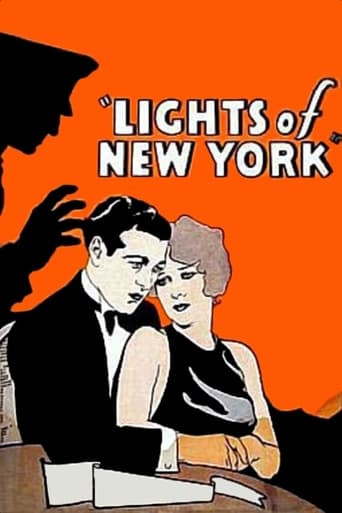
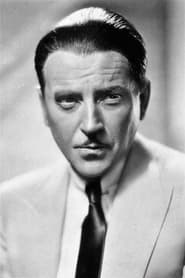
Wheeler Oakman
Actor
Born: February 21, 1888 in Washington, D.C., United States Died: March 11, 1949 Active: 1914-1948 Birth Name: Robert S. Oakman
Films
9 films
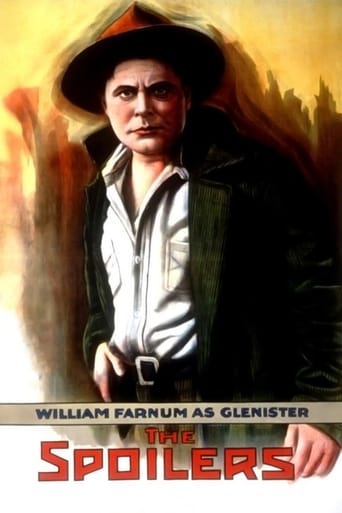
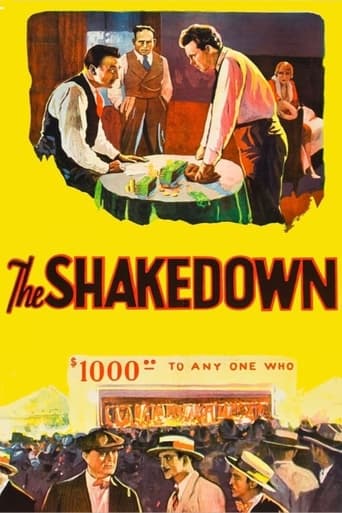
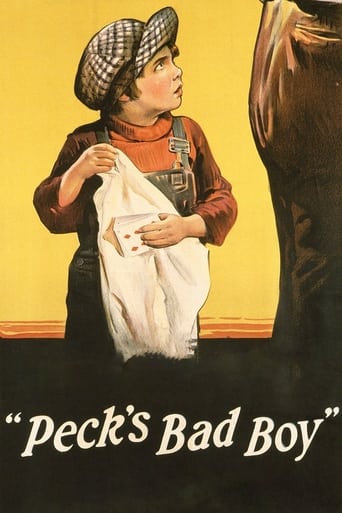
About Wheeler Oakman
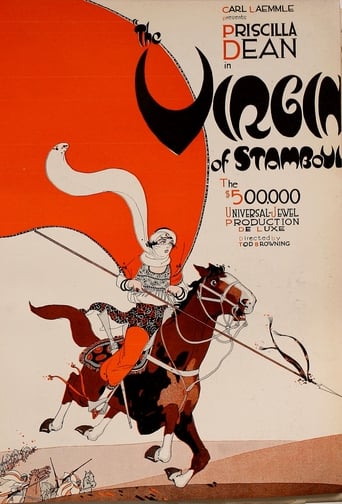
Prolific American film actor: the silent era and early sound period, appearing in over 300 films between 1914 and 1948. Born Robert S. Oakman in Washington, D.C., he began his film career with Universal Pictures in the early 1910s, quickly establishing himself as a reliable character actor. Oakman became particularly known for his villainous roles, often playing the heavy opposite leading ladies like Priscilla Dean, whom he later married. His most productive period was during the 1920s when he worked frequently with acclaimed director Tod Browning, appearing in several of his dark, atmospheric films. As the transition to sound began, Oakman's career slowed considerably, though he continued to appear in smaller roles throughout the 1930s and 1940s. Despite never achieving leading man status, he played heavies in The Perils of Pauline serials and dozens of silent crime films, his distinctive features and commanding presence making him ideal for antagonistic roles. He retired from acting in 1948 and passed away in Los Angeles the following year.
The Craft
On Screen
Wheeler Oakman was known for his commanding screen presence and distinctive appearance, which made him particularly effective as a villain or antagonist. His acting style was typical of the silent era, emphasizing exaggerated facial expressions and dramatic gestures to convey emotion. Oakman had a natural talent for portraying menacing characters, using his tall stature and intense gaze to create memorable villains. In his sound films, he adapted his style to a more naturalistic approach while maintaining his authoritative presence on screen.
Milestones
- Signed with Universal Pictures in 1914
- Starred in The Spoilers (1914) early in career
- Married actress Priscilla Dean in 1920
- Frequent collaborator with director Tod Browning
- Appeared in over 300 films during career
- Transitioned successfully to sound films
- Made final film appearance in 1948
Best Known For
Iconic Roles
Must-See Films
Working Relationships
Worked Often With
Studios
Why They Matter
Impact on Culture
Wheeler Oakman made a significant contribution to the development of the villain archetype in American cinema during the silent era. His work helped establish the visual language of screen villainy that would influence generations of character actors. As one of Universal Pictures' most reliable supporting players, Oakman contributed to the studio's reputation for producing successful melodramas and crime films. His frequent collaborations with Tod Browning were part of the director's distinctive body of work that would later influence film noir and horror genres. Oakman represents the journeyman actor who, while never achieving stardom, became an essential part of Hollywood's golden age through consistent, reliable performances.
Lasting Legacy
Wheeler Oakman's legacy lies in his extensive body of work that serves as a valuable record of silent era filmmaking techniques and storytelling. His performances in over 300 films provide modern film historians with a comprehensive view of character acting during cinema's formative decades. While many of his films have been lost, surviving works demonstrate the evolution of American film acting from theatrical gestures to more naturalistic performances. Oakman's career trajectory also illustrates the challenges faced by silent film actors during the transition to sound, making him an important case study in Hollywood history.
Who They Inspired
Oakman influenced subsequent generations of character actors through his distinctive approach to villainous roles. His ability to create memorable antagonists with limited screen time set a standard for supporting players in Hollywood. His work with Tod Browning contributed to the development of atmospheric, psychologically complex filmmaking that would influence directors like Alfred Hitchcock and Fritz Lang. Many later character actors, particularly those specializing in villainous roles, drew inspiration from Oakman's screen presence and technique.
Off Screen
Wheeler Oakman married actress Priscilla Dean in 1920,. Their marriage was highly publicized and they frequently appeared together in films, making them one of Hollywood's power couples of the early 1920s. However, their relationship ended in divorce in 1926, which coincided with a decline in both their careers. After his divorce from Dean, Oakman married again but kept his personal life relatively private. He spent his later years in Los Angeles, largely removed from the film industry before his death from a heart attack in 1949.
Education
Limited information available about his formal education; likely received basic education in Washington, D.C. Before pursuing acting career
Family
- Priscilla Dean (1920-1926)
- Eleanor Oakman (1930-1949)
Did You Know?
- His birth name was Robert S. Oakman but he used Wheeler as his professional name
- Appeared in over 300 films during his 34-year career
- Was 6'2" tall, which made him imposing in villain roles
- Many of his silent films have been lost, making surviving films particularly valuable
- Worked with legendary horror director Tod Browning on multiple occasions
- His marriage to Priscilla Dean was one of Hollywood's most talked-about unions of the 1920s
- Made a smooth transition to sound films unlike many silent era actors
- Often played characters named 'Wheeler' in his films
- Was known for his distinctive mustache and intense gaze
- Continued acting in small roles until just before his death in 1949
In Their Own Words
In the silent pictures, you had to be able to tell the whole story with your face. Your eyes had to do the talking.
Playing the heavy wasn't a bad thing. The villain often got the best scenes and the most interesting character development.
Frequently Asked Questions
Who was Wheeler Oakman?
Screen credits include over 300 films during the silent era and early sound period. He was best known for playing villainous roles, particularly in Universal Pictures melodramas and in films directed by Tod Browning.
What films is Wheeler Oakman best known for?
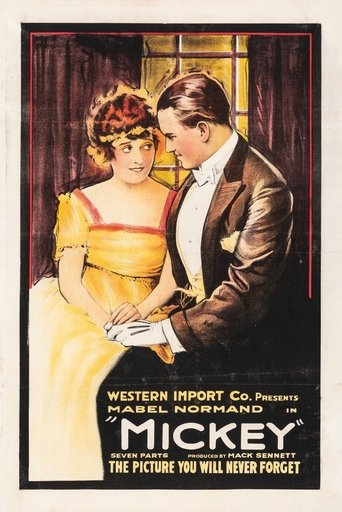
Titles linked here include The Spoilers (1914), Mickey (1918).
When was Wheeler Oakman born and when did he die?
Born February 21, 1888; died March 11, 1949.
What awards did Wheeler Oakman win?
Wheeler Oakman did not receive any major awards or nominations during his career, which was common for character actors during the silent era and early Hollywood period.
What was Wheeler Oakman's acting style?
Oakman was known for his commanding presence and distinctive appearance, making him particularly effective as a villain. His silent era style emphasized dramatic expressions and gestures, which he adapted to more naturalistic performances in sound films.
Was Wheeler Oakman married?
Yes, Oakman was married twice. His first marriage was to actress Priscilla Dean from 1920 to 1926, and he later married Eleanor Oakman in 1930, remaining with her until his death.
How did Wheeler Oakman's career change with the advent of sound films?
Unlike many silent era stars, Oakman successfully transitioned to sound films, though his roles became smaller and less frequent. He continued acting in supporting roles through the 1930s and 1940s, making his final film in 1948.
What was Wheeler Oakman's legacy in film history?
Oakman's legacy lies in his extensive body of work that documents the evolution of American film acting and his contributions to establishing the villain archetype in cinema. His performances provide valuable insight into silent era filmmaking techniques.