
Mickey
"Orphan from the mines to Manhattan"
Keys: Space play/pause · ←/→ 10s · F fullscreen · M mute · </> speed
About this film
Mickey, an orphan who has been brought up in a mining settlement, is sent to New York to live with her aunt.
Cast & crew
More films like this
More Comedy films
View all →







More from F. Richard Jones
View all →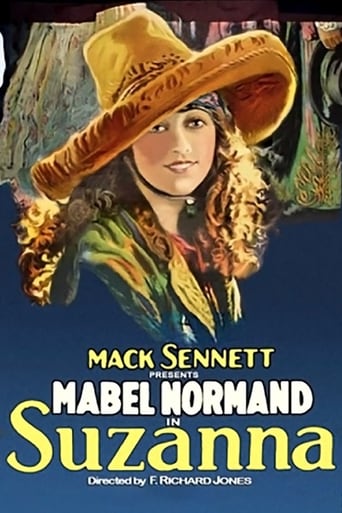

More about this film
About the production
Release dateAugust 1918
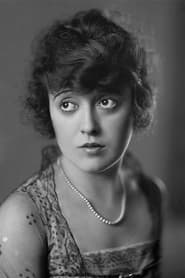
Box officeVery successful - was one of the biggest hits of 1918 and helped establish Mabel Normand as a major star
ProductionMabel Normand Feature Film Company
Filmed inLos Angeles, California, New York City locations (stock footage)
This was one of the first films produced by Mabel Normand's own production company, giving her unprecedented creative control. The film featured extensive location shooting in the California mountains to stand in for the mining settlement, which was unusual for the time. The production faced challenges with the rapid changes in film technology during the late 1910s, requiring multiple camera setups and lighting techniques.
Themes
Social class and mobilityAuthenticity versus artificialityRural versus urban valuesFemale independence and empowermentThe American Dream
Themes & topics
orphanmining townNew York Cityfish out of watersocial climbingauntclass differencestransformationcomedydramasilent filmsocietywesternurbanfamilycoming of age
Historical background
Exhibitors in 1918 booked Mickey through Mabel Normand Feature Film Company as part of the era's steady flow of new releases.
Why this film matters
Archivists note that Mickey preserves period framing of mickey, an orphan who has been brought up in a mining settlement, is sent to new york to l for modern comparison.
Making of
The production of 'Mickey' was significant as it represented Mabel Normand's assertion of independence from the studio system. Having previously worked extensively with Mack Sennett, Normand formed her own production company to have greater control over her projects. Director F. Richard Jones, who had worked with Normand at Keystone, collaborated closely with her to develop the story that would showcase her unique blend of comedy and pathos. The filming process was notably collaborative, with Normand contributing to script development and scene staging. The mining sequences proved particularly challenging, requiring the cast to work in authentic mining conditions with real equipment. The contrast between the rugged outdoor filming and the elaborate studio sets for the New York scenes highlighted the film's thematic journey. Normand's personal life during production was tumultuous, as she was dealing with the aftermath of her involvement in the William Desmond Taylor scandal, which added poignancy to her performance as an outsider trying to find her place.
What critics said
Trade coverage around 1918 treated Mickey as routine program material rather than a special event.
Did you know?
- Mickey was Mabel Normand's most successful starring vehicle and helped establish her as one of the highest-paid actresses of the silent era
- The film was so popular that it spawned a sequel 'Mickey' in 1919, though with a different storyline
- This was one of the first films to be produced by a female-owned production company
- The mining camp scenes were filmed in the Sierra Nevada mountains, requiring cast and crew to endure harsh conditions
- Mabel Normand performed many of her own stunts in the film, including dangerous riding sequences
- The film's success led to a nationwide tour where Normand would appear in person at screenings
- Original prints of the film were hand-tinted in certain scenes, a common but labor-intensive practice of the era
- The New York society scenes were criticized by some for their exaggerated portrayal of high life
- A young Buster Keaton reportedly had an uncredited cameo as an extra in one of the mining scenes
- The film's poster art became iconic and was widely reproduced in magazines and newspapers of the period
Visual style
The cinematography of 'Mickey' was notable for its time, particularly in its use of location photography for the mining sequences. The film employed a range of techniques that were innovative for 1918, including dynamic camera movement in outdoor scenes and sophisticated lighting for the interior New York sequences. The contrast between the natural, sunlit exteriors of the mining camp and the artificial, dramatically lit interiors of New York society reinforced the film's themes. The cinematographer made effective use of the California landscape to create convincing mining camp settings, employing wide shots to establish the rugged environment. Close-ups were used strategically to highlight Normand's expressive performance, particularly in emotional scenes. The film also featured some night photography, which was technically challenging in the silent era. Hand-tinting was used in select scenes to add color and emphasis, a practice that required meticulous frame-by-frame work.
Innovations
Mickey demonstrated several technical achievements for its time, particularly in its use of location photography and sophisticated editing techniques. The film's seamless integration of location and studio footage was notable for 1918. The production employed multiple camera setups for certain scenes, allowing for more dynamic editing and coverage. The lighting techniques used for the contrasting environments showed advanced understanding of how cinematography could support storytelling. The film's special effects, while modest by modern standards, included some innovative matte work for composite shots. The editing rhythm of the film was more sophisticated than many contemporary features, with effective use of cross-cutting between parallel storylines. The preservation of continuity across location and studio work demonstrated improved production organization. The film also showed advances in makeup techniques, particularly in creating convincing character transformations.
Music
As a silent film, 'Mickey' would have been accompanied by live musical performance during its original theatrical run. The typical score would have been provided by a theater's organist or pianist, using cue sheets provided by the studio or improvising based on the action. The music would have ranged from lively, ragtime-inspired pieces for the mining camp scenes to more refined, classical selections for the New York society sequences. Emotional moments would have been underscored with romantic or melancholic themes. The film's success led to the publication of specially arranged sheet music for theater musicians. Some larger theaters may have employed small orchestras for the presentation. The score would have included popular songs of the era as well as original compositions. The music was crucial in establishing mood, enhancing comedy, and amplifying the film's emotional impact. No original score recordings exist, as was standard practice for silent films.
Famous quotes
I may not know how to act like a lady, but I know how to act like a human being!
You can take the girl out of the mining camp, but you can't take the mining camp out of the girl.
Money can buy you a place in society, but it can't buy you class.
In the mines, we dig for gold. In New York, they just wear it.
Memorable scenes
- Mickey's arrival in New York, her eyes wide with wonder and confusion at the overwhelming city, wearing her simple mining clothes among the elegantly dressed society people
- The mining camp sequence where Mickey demonstrates her riding skills and independence, establishing her character's strength and connection to her roots
- The society ball scene where Mickey's natural charm and authenticity shine through despite her initial awkwardness with high society conventions
- The emotional confrontation between Mickey and her aunt, where class differences and family expectations come to a head
- Mickey's decision about which world to choose, standing at a crossroads between her past and future
What audiences thought
Mickey was enormously popular with audiences upon its release, becoming one of the biggest box office hits of 1918. Theater owners reported packed houses and enthusiastic responses, particularly to Normand's performance and the film's emotional moments. The film's success led to extended runs in many cities and helped establish Normand as a bankable star who could carry a feature film. Audience reaction was especially positive to the contrast between the mining and New York sequences, with many viewers relating to Mickey's fish-out-of-water story. The film's themes of authenticity versus pretension resonated strongly with post-war American audiences. Contemporary accounts describe audiences laughing, crying, and applauding during screenings, indicating the film's emotional impact. The success of 'Mickey' helped pave the way for more feature-length comedies and demonstrated the commercial viability of female-led productions.
Film connections
Influenced by
- Charlie Chaplin's 'The Kid' (1921) - similar themes of class and belonging
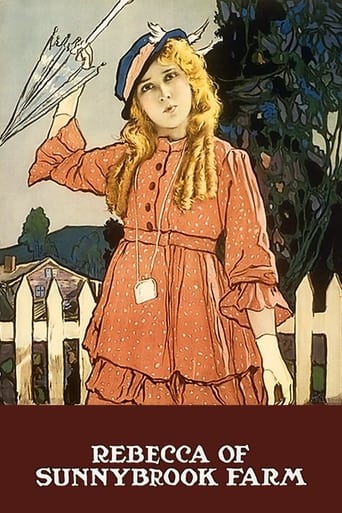
- Mary Pickford's 'Rebecca of Sunnybrook Farm' (1917) - small-town girl in new environment
- D.W. Griffith's social dramas - contrast between social classes
This film influenced
- Subsequent Mabel Normand productions
- Later 'rube goes to city' comedies
- Female-led comedy-dramas of the 1920s
- Films exploring American social mobility
Film restoration
Incomplete - Only portions of 'Mickey' survive today. The film exists in fragmented form at several archives including the Library of Congress and the Museum of Modern Art. Approximately 60% of the original film is preserved across various incomplete prints. Some key sequences are missing, including parts of the New York society scenes. The surviving elements show varying degrees of deterioration, though restoration efforts have stabilized what remains. The incomplete status is typical for films of this era, with an estimated 75% of silent American films considered lost.
Where to watch
- Available on some streaming platforms specializing in silent cinema
- Screenings at film archives and silent film festivals
- DVD releases from specialty distributors of classic films
- Some public domain versions available online
- Museum and archive screenings by appointment