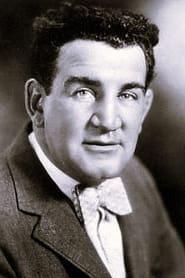
Tom Kennedy
Actor
Born: October 15, 1885 in New York City, New York, USA Died: October 6, 1965 Active: 1915-1959 Birth Name: Thomas Arthur Kennedy
Films
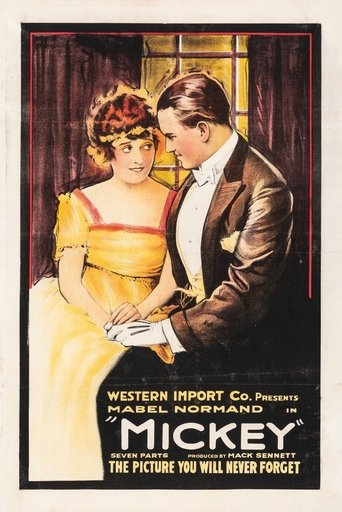
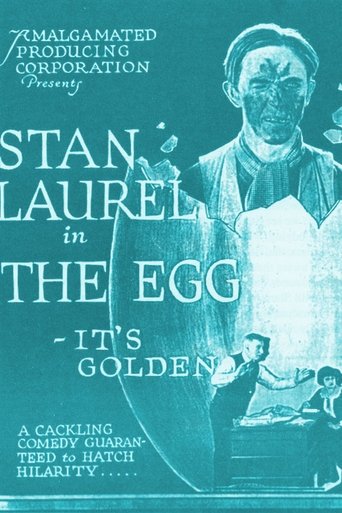
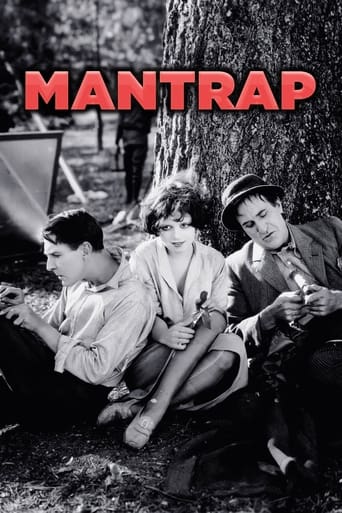
4 films
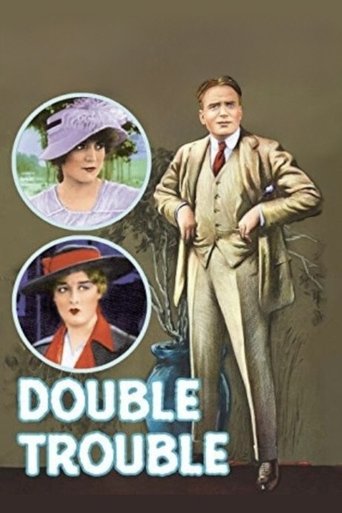
About Tom Kennedy
Prolific American character actor: nearly four decades in Hollywood cinema. Born in New York City in 1885, he began his film career during the silent era, appearing in numerous comedies and dramas throughout the 1920s. Kennedy's imposing physical presence and distinctive voice made him a recognizable face in both silent and sound films, with his career flourishing during the transition to talkies. He became particularly known for his work in comedy, frequently appearing alongside duos like Laurel and Hardy, Abbott and Costello, and The Three Stooges. Throughout the 1930s and 1940s, Kennedy established himself as one of Hollywood's most reliable supporting players, often portraying police officers, bartenders, or comic relief characters. His remarkable versatility allowed him to appear in over 300 films, making him prolific character actors of his generation. Kennedy continued working steadily through the 1950s, appearing in both feature films and television shows before his retirement and subsequent death in 1965.
The Craft
On Screen
Tom Kennedy was known for his distinctive physical comedy and booming voice, often playing lovable but dim-witted characters. His large, imposing frame (standing over 6 feet tall) made him an ideal foil for smaller comedians, and he mastered the art of playing the straight man who could still generate laughs through his reactions and timing. Kennedy had a natural gift for slapstick and physical humor, which served him well in the silent era, while his resonant voice and comedic delivery made him equally effective in talkies. He specialized in playing authority figures like police officers, bartenders, or military men who were either comically inept or easily flustered by the film's protagonists.
Milestones
- Appeared in over 300 films during his 40-year career
- Frequent collaborator with Laurel and Hardy in their classic comedies
- Successfully transitioned from silent films to sound pictures
- Became a recognizable face in Abbott and Costello films
- Established himself as one of Hollywood's most reliable character actors
Best Known For
Iconic Roles
Must-See Films
Accolades
Special Recognition
- Hollywood Walk of Fame star (located at 6652 Hollywood Boulevard)
Working Relationships
Worked Often With
Studios
Why They Matter
Impact on Culture
Tom Kennedy played a significant role in shaping the landscape of American comedy cinema during the golden age of Hollywood. His consistent presence in hundreds of films made him a familiar and comforting face to movie audiences across generations. As a key supporting player in many of the era's most beloved comedies, Kennedy contributed to the success of legendary comedy teams and helped define the template for the comic supporting character in American film. His work exemplified the studio system's ability to create reliable character actors who could enhance any production they joined.
Lasting Legacy
Tom Kennedy's legacy endures through his extensive body of work that continues to entertain audiences through film revivals and television broadcasts. As. His collaborations with comedy legends like Laurel and Hardy have ensured that his performances remain part of cinema's comedic canon. Kennedy's career demonstrates the importance of supporting players in creating memorable films, and his work continues to be studied by film scholars and appreciated by classic cinema enthusiasts.
Who They Inspired
Kennedy influenced generations of character actors through his mastery of the comic supporting role. His ability to play both straight man and comic relief showed the versatility required for successful character acting. His work with comedy teams helped establish the template for the perfect foil in comedy duos, influencing how supporting characters would be written and performed in subsequent decades. Many later character actors, particularly those in comedy, studied Kennedy's timing and physical presence as a model for effective supporting performance.
Off Screen
Tom Kennedy was married twice during his lifetime. His first marriage was to actress and screenwriter Catherine Durand, with whom he had several children. After her death, he later married Frances Kennedy, who survived him. Despite his prolific film career, Kennedy managed to maintain a relatively private personal life, focusing on his work and family. He was known among his colleagues as a reliable and professional actor who was always prepared for his roles.
Education
Limited formal education, primarily trained through practical experience in vaudeville and early film work
Family
- Catherine Durand (1920-1940, her death)
- Frances Kennedy (1941-1965, his death)
Did You Know?
- Appeared in more than 300 films during his career, making him one of Hollywood's most prolific actors
- Stood over 6 feet tall, which made him an imposing presence and ideal for certain character types
- Successfully transitioned from silent films to talkies, a feat many actors of his era failed to accomplish
- Was a favorite of director Hal Roach, who cast him in numerous comedies
- Often played characters named 'Tom' or 'Thomas' in his films
- His distinctive voice and New York accent became trademarks of his sound era performances
- Worked with virtually every major comedy team of the 1930s and 1940s
- Never received top billing but was considered one of Hollywood's most valuable supporting players
- His final film appearance was in 1959, though he continued to appear on television
- Received a star on the Hollywood Walk of Fame for his contributions to motion pictures
In Their Own Words
I've never been the star, but I've always been in the picture. That's good enough for me.
Comedy is serious business. You have to know exactly when to be funny and when to let the other guy be funny.
Working with Laurel and Hardy was like being in a master class of comedy. They taught me everything about timing.
Frequently Asked Questions
Who was Tom Kennedy?
Screen credits include over 300 films from the silent era through the 1950s. He was best known for his work in comedies, particularly as a supporting actor for comedy teams like Laurel and Hardy and Abbott and Costello.
When was Tom Kennedy born and when did he die?
Born October 15, 1885; died October 6, 1965.
What awards did Tom Kennedy win?
While Tom Kennedy never received major acting awards during his lifetime, he was honored with a star on the Hollywood Walk of Fame at 6652 Hollywood Boulevard for his significant contributions to motion pictures.
What was Tom Kennedy's acting style?
Kennedy was known for his distinctive physical comedy and booming voice, often playing lovable but dim-witted characters. His large frame made him an ideal foil for smaller comedians, and he mastered both slapstick for silent films and verbal comedy for talkies.
How many films did Tom Kennedy appear in?
Tom Kennedy appeared in more than 300 films during his 40-year career, making him.
Did Tom Kennedy work with famous comedy teams?
Yes, Kennedy worked with virtually every major comedy team of his era, including Laurel and Hardy, Abbott and Costello, The Three Stooges, and Buster Keaton, often playing the perfect comic foil to their antics.