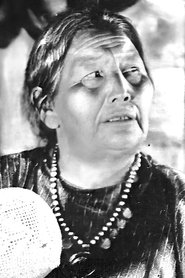
Minnie Devereaux
Actor
Born: 1891 in South Dakota, United States Died: 1920 Active: 1914-1918 Birth Name: Minnie Devereaux (also known as Minnie Prevost)
Films
3 films
About Minnie Devereaux
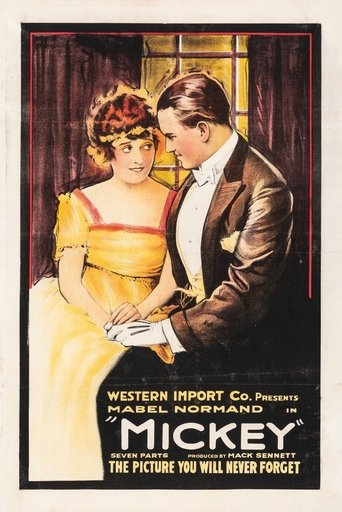
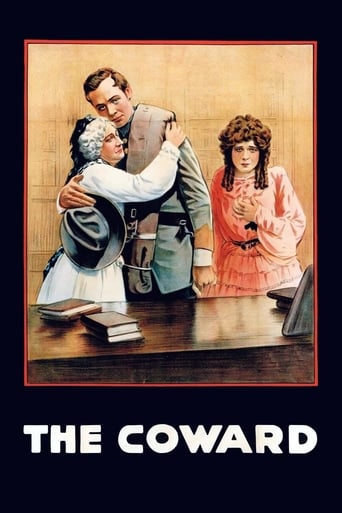
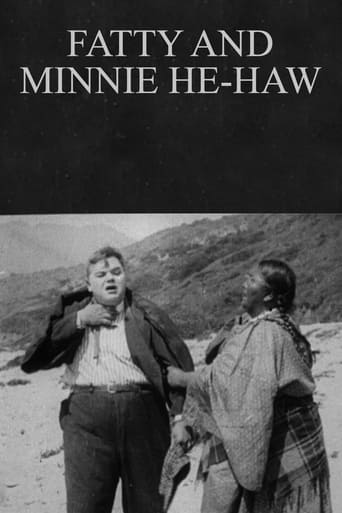
Native American actress who worked in silent films during the early 1910s. She was one of the first Indigenous women to appear in American cinema, breaking barriers during a time when Native Americans were typically portrayed by white actors in redface. Devereaux began her film career in 1914, appearing in comedy shorts alongside Roscoe 'Fatty' Arbuckle, one of the era's biggest stars. She worked primarily for Keystone Studios and other early Hollywood production companies, often cast in roles that leveraged her Native American heritage. Her screen career ran from 1914 to 1918, during which she appeared in several notable films including the comedy 'Fatty and Minnie He-Haw' and the drama 'The Coward.' She also appeared in the 1918 film 'Mickey,' starring Mabel Normand, popular actresses of the silent era. Devereaux's presence in early Hollywood represented an important milestone for Native American representation in film, though her career was relatively brief compared to many of her contemporaries.
The Craft
On Screen
Devereaux's acting style was typical of the silent era, emphasizing physical expression and gesture. As a Native American actress in early Hollywood, she often played roles that reflected her heritage, bringing authenticity to characters that would otherwise have been played by non-Native actors. Her performances in comedy shorts demonstrated her ability to work within the slapstick style popularized by Keystone Studios.
Milestones
- One of the first Native American actresses in Hollywood
- Appeared in films with Roscoe 'Fatty' Arbuckle
- Worked during the years of American cinema
- Appeared in major productions of the silent era
Best Known For
Iconic Roles
Must-See Films
Accolades
Special Recognition
- Recognized as a Native American actress in early cinema
Working Relationships
Worked Often With
Studios
Why They Matter
Impact on Culture
Minnie Devereaux's significance lies in her role as one of the first Native American women to appear in American cinema during the silent era. At a time when Hollywood routinely cast white actors in redface to portray Native American characters, Devereaux brought authentic representation to the screen. Her presence in early films helped pave the way for future Native American performers in the film industry, though progress would be slow for decades to come. She worked alongside some of the biggest stars of her day, demonstrating that Native American actors could participate in mainstream Hollywood productions during cinema's formative years.
Lasting Legacy
Though her career was brief and her life sparsely documented, Minnie Devereaux is remembered by film historians as an important pioneer for Native American representation in cinema. Her work during the silent era represents an early example of authentic casting in Hollywood, predating the more widespread recognition of the importance of proper representation by many decades. Modern scholars of Native American cinema and early film history often cite her as an example of the indigenous presence in early Hollywood that has been largely overlooked in traditional film histories.
Who They Inspired
Devereaux's influence on subsequent Native American actors was indirect but significant. By establishing that Native Americans could work in mainstream Hollywood productions during the silent era, she helped create a precedent for future generations. Her career, though brief, demonstrated that Native American performers could find work in the burgeoning film industry, even if the opportunities were limited and often stereotypical. Modern Native American filmmakers and actors looking back at cinema history can point to pioneers like Devereaux as early examples of indigenous presence in American film.
Off Screen
Minnie Devereaux was born into a Native American family in South Dakota during the late 19th century. She was also known by the surname Prevost, suggesting she may have married during her lifetime. Her life during and after her brief film career remains largely undocumented, which was common for many early film actors, particularly those from minority backgrounds. She died relatively young in 1920, shortly after her film career ended.
Education
No formal education records available, typical for Native Americans of her generation
Family
- Unknown (possibly Prevost)
Did You Know?
- One of the first Native American actresses in Hollywood history
- Appeared in films with comedy legend Roscoe 'Fatty' Arbuckle
- Worked during the silent era when Native American roles were typically played by white actors
- Her film active years covered only four years but included work with major stars
- Born in South Dakota, home to several Native American reservations
- Died at the young age of 29, shortly after her film career ended
- Also known by the surname Prevost
- Represented authentic Native American representation in early cinema
- Worked with Keystone Studios, famous for launching many comedy careers
- Appeared in 'Mickey' (1918),
Frequently Asked Questions
Who was Minnie Devereaux?
Native American actress who worked in silent films during the 1910s. She was one of the first Indigenous women to appear in American cinema, appearing in films with major stars like Roscoe 'Fatty' Arbuckle and Mabel Normand.
What films is Minnie Devereaux best known for?
Titles linked here include Fatty and Minnie He-Haw (1914), The Coward (1915).
When was Minnie Devereaux born and when did she die?
Born 1891; died 1920.
What awards did Minnie Devereaux win?
Minnie Devereaux did not receive formal awards during her career, as the award systems we know today were not established during the silent era. However, she is recognized by film historians as an important pioneer for Native American representation in cinema.
What was Minnie Devereaux's acting style?
Devereaux's acting style was typical of the silent era, emphasizing physical expression and gesture. She often played roles that reflected her Native American heritage, bringing authenticity to characters at a time when such roles were typically filled by non-Native actors.