
Fatty and Minnie He-Haw
"Fatty's desert train ride to a forced wedding"
Keys: Space play/pause · ←/→ 10s · F fullscreen · M mute · </> speed
About this film
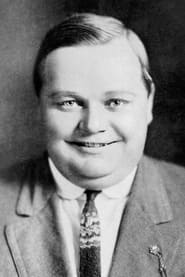
Fatty Arbuckle hops a freight train, is thrown off in the desert, collapses from heat, and wakes to a plump Native woman intent on marrying him.
Cast & crew
More films like this
More Comedy films
View all →







More from Roscoe 'Fatty' Arbuckle
View all →
More about this film
About the production
Release dateNovember 30, 1914
ProductionKeystone Film Company
Filmed inCalifornia (likely Keystone Studios backlot and surrounding desert areas)
This was one of many short comedies Arbuckle made for Keystone Studios in 1914, during his peak period as one of silent comedy's biggest stars. The film utilized the California desert landscape near Keystone Studios, which was frequently used as a stand-in for various exotic locations. The production likely followed Keystone's typical fast-paced shooting schedule, with most one-reel comedies being filmed in just a few days. The Native American characters were portrayed by actors in costume, following the unfortunate practices of the era.
Themes
Fish out of waterCultural misunderstandingReluctant romanceEscape and captureDesert survival
Themes & topics
Historical background
The silent era context of 1914 shaped how Fatty and Minnie He-Haw was marketed, exhibited, and remembered.
Why this film matters
Preservation efforts around Fatty and Minnie He-Haw help audiences connect with silent era viewing habits.
Making of
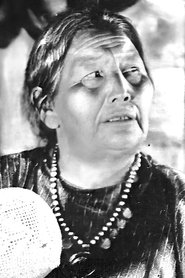
The film was produced during Keystone Studios' golden age under Mack Sennett's leadership, where the studio was churning out dozens of comedy shorts each month. Roscoe Arbuckle was one of Keystone's biggest stars by 1914, commanding significant creative control over his films. The casting of Minnie Devereaux, a genuine Native American performer, was somewhat unusual for the period, though the role still relied on stereotypes and caricatures. The production would have been filmed on Keystone's sprawling outdoor sets and nearby desert locations, with the studio's famous 'anything for a laugh' approach to comedy. Arbuckle's physical comedy skills were the centerpiece of the film, with his large frame making both his collapse in the desert and his attempted escape visually comedic. The film was likely shot in just 2-3 days, following Keystone's rapid production schedule.
What critics said
Trade coverage around 1914 noted Fatty and Minnie He-Haw as a competent example of its genre, with emphasis on pacing and star appeal where applicable.
Did you know?
- Minnie Devereaux was actually of Native American descent (Cheyenne), one of the few authentic Native American performers in early Hollywood
- This film was released during Arbuckle's most prolific period at Keystone, where he made dozens of shorts in 1914 alone
- The title 'He-Haw' was a common slang term in the 1910s, often used in a derogatory manner to refer to rural or unsophisticated people
- Minta Durfee, who appears in the film, was Arbuckle's real-life wife at the time
- Like many Keystone films of this era, the original negative was likely destroyed in the 1930s when studios cleared their vaults
- The film represents the common early comedy trope of the 'fish out of water' scenario with an urban character in a rural/exotic setting
- Native American themes were popular in early cinema, often presented with little regard for cultural accuracy
- Arbuckle's character's reluctance to marry Minnie was played for laughs, reflecting comedic attitudes of the era
- The desert setting was a convenient location near Keystone Studios in Edendale, California
- This was one of several films Arbuckle made featuring Native American characters and themes
Visual style
The cinematography was typical of Keystone Studios' work in 1914, utilizing stationary cameras with basic framing and medium shots. The desert scenes would have employed natural lighting to create the impression of extreme heat and vast, empty spaces. The camera work was functional rather than artistic, focusing on clearly capturing the physical comedy and action sequences. Interior scenes in the tepee would have been filmed on studio sets with basic lighting setups. The visual style emphasized clarity over creativity, ensuring that audiences could easily follow the simple plot and gags.
Innovations
The film employed no significant technical innovations, following the established practices of Keystone Studios in 1914. The production used standard 35mm film with the typical aspect ratio of the era. The desert scenes demonstrated Keystone's practice of utilizing nearby California locations to stand in for more exotic settings. The film's editing would have been straightforward, with basic continuity cutting to advance the simple narrative. Like most comedies of the period, it relied on visual gags and physical comedy rather than technical sophistication.
Music
As a silent film, 'Fatty and Minnie He-Haw' would have been accompanied by live musical performance during theatrical exhibition. The typical Keystone comedy was scored with popular songs of the era and classical pieces chosen to match the on-screen action. For the desert scenes, the theater pianist or organist might have played dramatic, sweeping music to emphasize the vast, empty landscape. The romantic scenes with Minnie would have been accompanied by sentimental popular songs of 1914. The chase and escape sequences would feature fast-paced, comical music. The specific musical selections would have varied by theater and musician.
Famous quotes
As a silent film, there are no spoken quotes, but the intertitles likely included simple captions like 'Fatty tries to escape' and 'The wedding preparations begin'
Memorable scenes
- Fatty's collapse in the scorching desert after being thrown from the train
- Minnie discovering the unconscious Fatty and carrying him to her tepee
- Fatty's exaggerated reactions to Minnie's romantic advances
- The chaotic wedding ceremony preparations by the Native American tribe
- Fatty's frantic attempted escape and subsequent capture by the tribe members
What audiences thought
Like most Keystone comedies of 1914, 'Fatty and Minnie He-Haw' was likely well-received by contemporary audiences who enjoyed Arbuckle's physical comedy and the film's simple, straightforward humor. Moviegoers of the era were accustomed to the broad stereotypes and exaggerated characterizations that would be considered offensive today. The film's desert setting and Native American theme would have provided visual variety to audiences accustomed to urban comedies. Arbuckle's popularity ensured that any film bearing his name would draw crowds to nickelodeons and small theaters. The film's brief runtime and straightforward plot made it ideal for the varied programming of early movie theaters.
Film connections
Influenced by
- Mack Sennett's Keystone comedy style
- Chaplin's tramp character
- Popular ethnic humor of the 1910s
- Western film conventions
- Vaudeville comedy traditions
This film influenced
- Later Arbuckle comedies with ethnic themes
- Keystone films with similar 'fish out of water' scenarios
- Early comedy shorts featuring reluctant marriages
Film restoration
The film is believed to be lost, as are approximately 90% of films from this era. Many Keystone Studios shorts were destroyed in the 1930s when studios cleared their vaults. No known complete copies of 'Fatty and Minnie He-Haw' survive in major film archives. Some film historians hold out hope that fragments may exist in private collections or smaller archives, but the film is generally considered lost.
Where to watch
- Unfortunately, this film is not available for viewing as it is believed to be lost. No known copies exist in major film archives or public domain collections.