
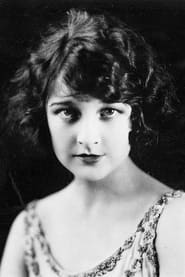
Eleanor Boardman
Actor
Born: August 19, 1898 in Philadelphia, Pennsylvania, USA Died: December 12, 1991 Active: 1922-1935
Films
4 films
About Eleanor Boardman
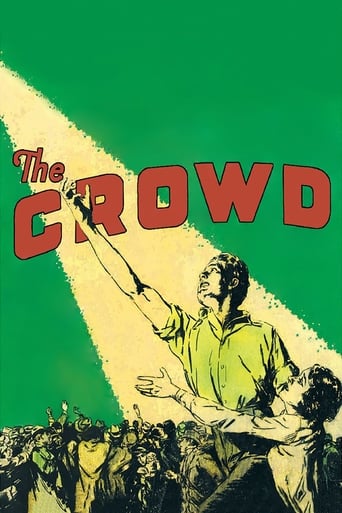
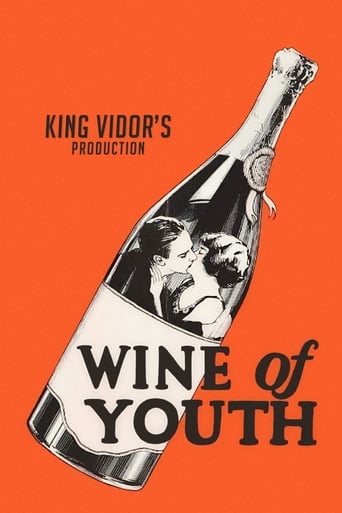
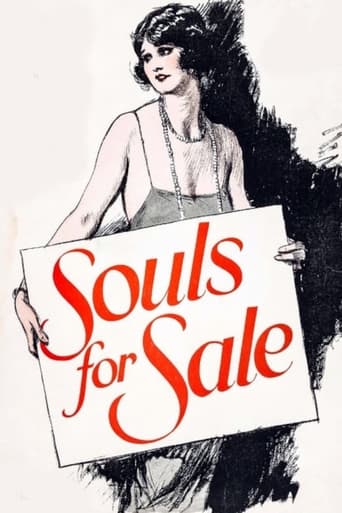
Eleanor Boardman was talented and naturalistic actresses of the silent era, discovered through a 1921 Fame and Fortune contest that landed her a contract with Goldwyn Pictures. She quickly rose to prominence at MGM, where she developed a reputation for her subtle, understated acting style that contrasted with the more theatrical performances common in silent cinema. Her breakthrough came with 'Souls for Sale' (1923), a meta-film about Hollywood that showcased her authentic screen presence. Boardman reached the pinnacle of her career with her acclaimed performance in King Vidor's masterpiece 'The Crowd' (1928), where she portrayed Mary with remarkable depth and realism. Despite her success, the transition to sound films proved challenging, and her career gradually declined in the early 1930s. Her marriage to director King Vidor, which began during her peak years, ended in divorce in 1933, coinciding with her departure from Hollywood. Boardman spent her later years away from the spotlight, largely forgotten by the industry that had once celebrated her as one of its finest actresses.
The Craft
On Screen
Boardman was known for her naturalistic and understated acting style, which set her apart from many silent era performers who relied on exaggerated gestures and expressions. She brought a sense of authenticity and emotional truth to her roles, particularly excelling at portraying ordinary women with depth and sensitivity. Her performance in 'The Crowd' demonstrated her ability to convey complex emotions subtly, using minimal movement and expression to maximum effect. Critics praised her for her ability to make her characters feel real and relatable, avoiding the theatricality common in silent film acting.
Milestones
- Won Fame and Fortune contest in 1921 leading to film contract
- Breakthrough role in 'Souls for Sale' (1923)
- Starred in John Gilbert vehicle 'Bardelys the Magnificent' (1926)
- Critically acclaimed performance in 'The Crowd' (1928)
- Married to director King Vidor (1926-1933)
Best Known For
Iconic Roles
Must-See Films
Accolades
Special Recognition
- Star on Hollywood Walk of Fame (located at 6322 Hollywood Blvd)
Working Relationships
Worked Often With
Studios
Why They Matter
Impact on Culture
Eleanor Boardman's most significant cultural impact came through her performance in 'The Crowd,' widely regarded as one of the greatest American films ever made. Her portrayal of Mary represented a breakthrough in realistic acting in silent cinema, helping establish a more naturalistic style that would influence future generations of performers. The film itself was revolutionary in its depiction of ordinary urban life, and Boardman's authentic performance was crucial to its success and enduring legacy. Her work helped demonstrate that silent films could achieve remarkable psychological depth and emotional realism, challenging perceptions of the limitations of the medium. Boardman's career trajectory also illustrates the challenges faced by many silent film stars during the transition to sound, making her story representative of a pivotal era in Hollywood history.
Lasting Legacy
Eleanor Boardman's legacy rests primarily on her extraordinary performance in 'The Crowd,' which has ensured her place in cinema history despite her relatively short career. Film scholars and silent film enthusiasts regard her as. The preservation and restoration of her films, particularly 'The Crowd' and the recently rediscovered 'Bardelys the Magnificent,' have allowed new generations to appreciate her talent. Boardman represents the many talented performers of the silent era who were unable to successfully transition to sound films, serving as a reminder of the industry's rapid evolution during the late 1920s and early 1930s. Her contribution to American cinema, while concentrated in a brief period, left an indelible mark through her participation in one of the medium's most important artistic achievements.
Who They Inspired
Boardman's naturalistic acting style influenced the movement away from theatrical performances in silent cinema toward more realistic portrayals. Her work in 'The Crowd' demonstrated how subtle, nuanced performances could convey deep emotion without dialogue, setting a standard for psychological realism in film acting. While she didn't have direct protégés, her performances were studied by actors and directors interested in achieving authenticity on screen. Her ability to portray ordinary women with depth and dignity helped expand the range of female characters in American cinema beyond stereotypes. The technical and artistic achievements of 'The Crowd,' which relied heavily on Boardman's authentic performance, influenced subsequent realist cinema movements in both America and Europe.
Off Screen
Eleanor Boardman's personal life was marked by her high-profile marriage to acclaimed director King Vidor, whom she met while working at MGM. Their marriage in 1926 was one of Hollywood's most celebrated unions, with Vidor casting her in several of his films, including her most famous role in 'The Crowd'. The couple had two daughters together, Antonia and Belinda, but their marriage ended in divorce in 1933, which coincided with Boardman's declining career. After leaving Hollywood, Boardman remarried and lived a relatively private life in Montecito, California, and later in Pennsylvania. She rarely spoke about her film career in her later years and was largely forgotten by the film industry until revival interest in silent films brought renewed attention to her work.
Education
Attended Friends' Central School in Philadelphia, Pennsylvania; later studied art at the Pennsylvania Academy of Fine Arts before pursuing acting
Family
- King Vidor (1926-1933)
- Harry d'Abbadie d'Arrast (1940-1968, until his death)
- Robert L. Shurlock (1970-1977, until his death)
Did You Know?
- Won the 1921 Fame and Fortune contest sponsored by Goldwyn Pictures, beating 100,000 other contestants
- Was originally discovered when a friend submitted her photograph to the contest without her knowledge
- Her performance in 'The Crowd' was so acclaimed that many critics believed she should have received an Academy Award nomination when the awards were first introduced in 1929
- The film 'Bardelys the Magnificent' (1926) was considered lost for decades until a single incomplete copy was discovered in France in 2006
- Was one of the few actresses of her era to have a college education before entering films
- Her divorce from King Vidor was highly publicized and was
- After leaving Hollywood, she became an accomplished painter and sculptor
- Lived to be 93 years old, outliving most of her contemporaries from the silent era
- Was briefly considered for the role of Melanie Hamilton in 'Gone with the Wind' but was no longer acting regularly by that time
- Her star on the Hollywood Walk of Fame was dedicated in 1960, decades after her film career had ended
In Their Own Words
I was never a star in the sense of having a big following. I was just an actress who worked steadily.
The Crowd was the picture I was most proud of. King Vidor was a genius and I was fortunate to be part of it.
Silent pictures required more acting than sound pictures. You had to say everything with your eyes and your body.
I never missed the fame or the money after I left pictures. I was happy to just live my life quietly.
Frequently Asked Questions
Who was Eleanor Boardman?
American actress who rose to fame during the silent film era in the 1920s, best known for her naturalistic acting style and her acclaimed performance in King Vidor's masterpiece 'The Crowd' (1928). She was discovered through a talent contest and became a prominent MGM star before struggling with the transition to sound films.
What films is Eleanor Boardman best known for?
Titles linked here include The Crowd (1928), Souls for Sale (1923).
When was Eleanor Boardman born and when did she die?
Born August 19, 1898; died December 12, 1991.
What awards did Eleanor Boardman win?
While Eleanor Boardman did not win major acting awards during her career, she received a star on the Hollywood Walk of Fame in recognition of her contributions to cinema. Her performance in 'The Crowd' was critically acclaimed and is now considered one of the finest silent film performances.
What was Eleanor Boardman's acting style?
Boardman was known for her naturalistic and understated acting style, which set her apart from the more theatrical performances common in silent cinema. She brought authenticity and emotional truth to her roles, particularly excelling at portraying ordinary women with depth and sensitivity using subtle expressions and minimal gestures.
Was Eleanor Boardman married to King Vidor?
Yes, Eleanor Boardman was married to acclaimed director King Vidor from 1926 to 1933. Vidor directed her in several films, including her most famous role in 'The Crowd.' Their marriage was one of Hollywood's most celebrated unions during the late 1920s but ended in a highly publicized divorce.
Why did Eleanor Boardman's career end?
Boardman's career declined primarily due to difficulties with the transition from silent films to sound pictures in the early 1930s. Her naturalistic style, which worked well in silent films, may not have translated as effectively to sound, and personal factors including her divorce from King Vidor also coincided with her departure from Hollywood.
What is Eleanor Boardman's legacy in cinema history?
Boardman's legacy rests on her extraordinary performance in 'The Crowd,' which has ensured her place in cinema history. She represents the artistic achievements of silent film acting and the challenges faced by performers during Hollywood's transition to sound. Her work continues to be studied and appreciated by film scholars and silent cinema enthusiasts.