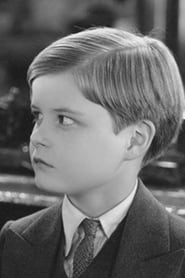
Freddie Burke Frederick
Actor
Born: March 25, 1919 in Los Angeles, California, USA Died: December 21, 1995 Active: 1928
Films
2 films
About Freddie Burke Frederick
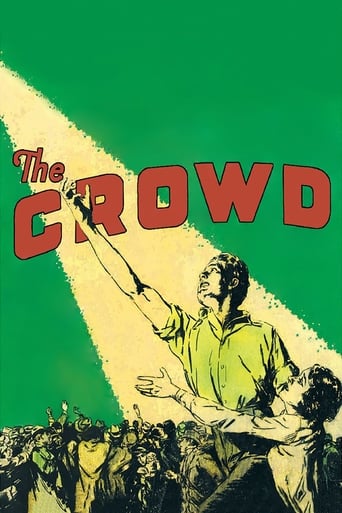
Child actor during the late silent film era, best known for his memorable performance as the young John Sims in King Vidor's masterpiece 'The Crowd' (1928). His brief but impactful appearance in this critically acclaimed film showcased his natural acting ability at a young age, capturing the innocence and dreams of youth that would later be crushed by adult reality. Despite his talent and the significance of his role, Frederick's film career appears to have been limited to this single performance, making him somewhat of an enigma in Hollywood history. His portrayal of the young protagonist provided the essential foundation for the character's journey throughout the film, establishing the hopes and aspirations that would drive the narrative. Like many child actors of the silent era, his career was fleeting, but his contribution to one of cinema's most important early works remains significant. The fact that he was chosen by director King Vidor for such a crucial role suggests he possessed remarkable screen presence and acting instincts for his age.
The Craft
On Screen
Natural and authentic for the silent era, displaying genuine childlike wonder and innocence that effectively conveyed the hopes and dreams central to his character's arc in 'The Crowd'
Milestones
- Memorable performance as young John Sims in King Vidor's 'The Crowd' (1928)
- One of the few child actors to appear in this landmark silent film
Best Known For
Iconic Roles
Must-See Films
Working Relationships
Worked Often With
Studios
Why They Matter
Impact on Culture
Freddie Burke Frederick's contribution to cinema, while limited to a single role, is significant due to his participation in 'The Crowd,' widely regarded as one of the greatest American films ever made. His performance as the young John Sims provided the emotional foundation for the entire narrative, establishing the character's initial optimism and dreams that would later be tested by adult reality. The film itself was groundbreaking for its realistic portrayal of urban life and its influence on cinematic realism, and Frederick's authentic child performance was integral to this achievement.
Lasting Legacy
Though his career was brief, Freddie Burke Frederick remains part of cinema history through his role in 'The Crowd.' His performance is preserved in this landmark film, which continues to be studied and admired by film scholars and enthusiasts. As a representative of child actors from the silent era, he exemplifies the naturalistic style that directors like King Vidor sought to capture on screen. His work serves as a time capsule of early American cinema and the techniques used to elicit authentic performances from young actors during that period.
Who They Inspired
As a child actor with only one known film credit, Freddie Burke Frederick's direct influence on other performers is limited. However, his performance in 'The Crowd' contributes to the film's lasting influence on cinema, particularly in its realistic portrayal of character development from childhood to adulthood. The natural acting style he demonstrated became increasingly valued in subsequent decades of filmmaking, moving away from the more theatrical performances common in early cinema.
Off Screen
After his brief film career, Freddie Burke Frederick appears to have lived a private life away from the entertainment industry. Like many child actors of the era, he did not pursue a career in acting beyond his early appearance. He passed away in 1995 at the age of 76, having lived through the entire evolution of cinema from the silent era to modern times.
Did You Know?
- His only known film role was as the young version of the protagonist in 'The Crowd' (1928)
- The film 'The Crowd' was selected for preservation in the National Film Registry in 1989
- Director King Vidor was known for his ability to extract natural performances from child actors
- Despite the film's critical acclaim, Frederick did not pursue a career in acting
- His character's childhood dreams and optimism provide crucial contrast to the adult struggles depicted in the film
- The film was groundbreaking for its time, using innovative camera techniques and realistic urban settings
- Freddie lived to see his film recognized as one of the greatest American movies ever made
- His performance was particularly notable for conveying complex emotions without dialogue, relying solely on expression and body language
Frequently Asked Questions
Who was Freddie Burke Frederick?
American child with credits in this catalog.' His career appears to have been limited to this single but significant performance.
What films is Freddie Burke Frederick best known for?
Titles linked here include The Crowd (1928).
When was Freddie Burke Frederick born and when did he die?
Born March 25, 1919; died December 21, 1995.
What awards did Freddie Burke Frederick win?
Freddie Burke Frederick did not receive any individual awards or nominations for his brief film career. However, the film 'The Crowd' in which he appeared has been recognized as one of cinema's greatest achievements.
What was Freddie Burke Frederick's acting style?
Freddie Burke Frederick demonstrated a natural and authentic acting style typical of King Vidor's direction of child actors. His performance conveyed genuine emotion and innocence through expression and body language, essential for silent film acting.