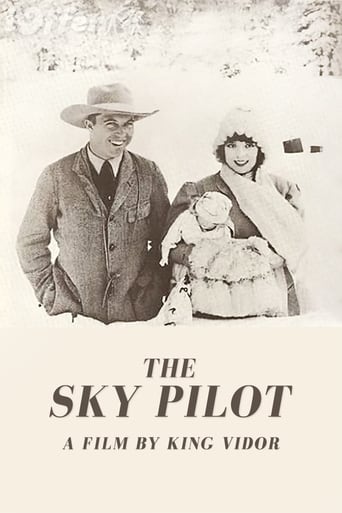
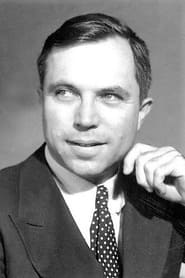
King Vidor
Director
Born: February 8, 1894 in Galveston, Texas, USA Died: November 1, 1982 Active: 1913-1979 Birth Name: King Wallis Vidor
Films
17 films

Bardelys the Magnificent
1926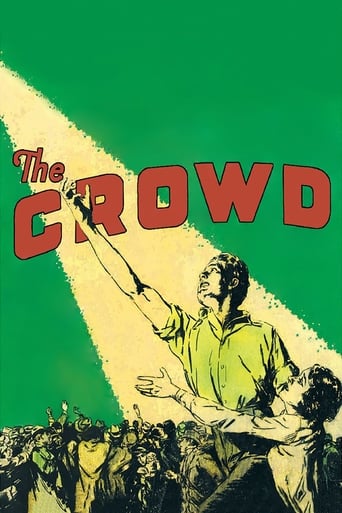
The Crowd
1928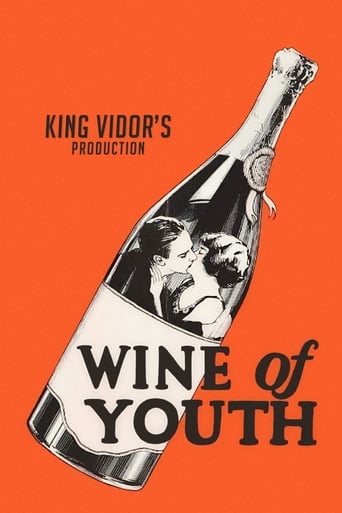
Wine of Youth
1924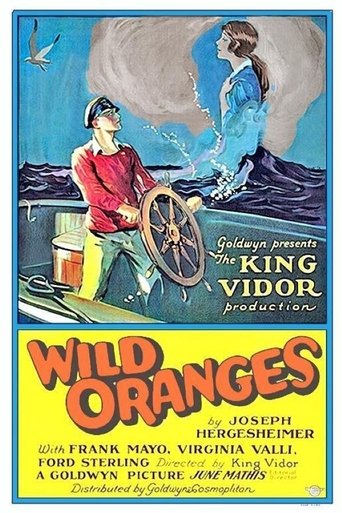
Wild Oranges
1924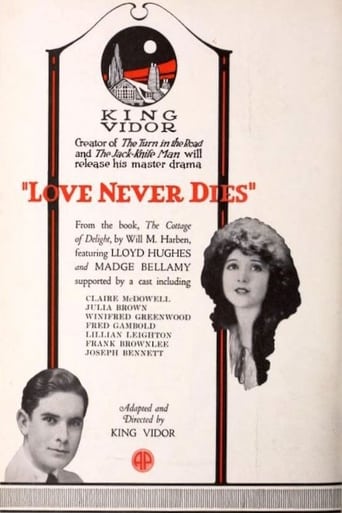
Love Never Dies
1921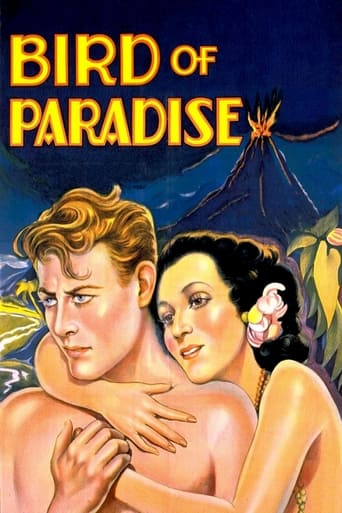
Bird of Paradise
1932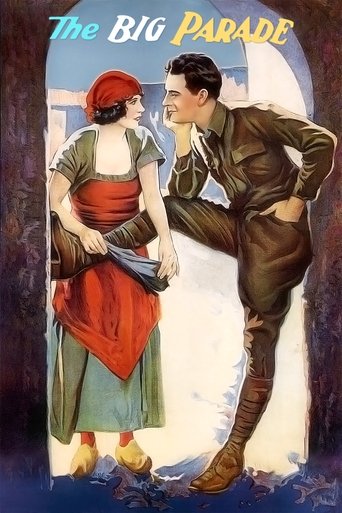
The Big Parade
1925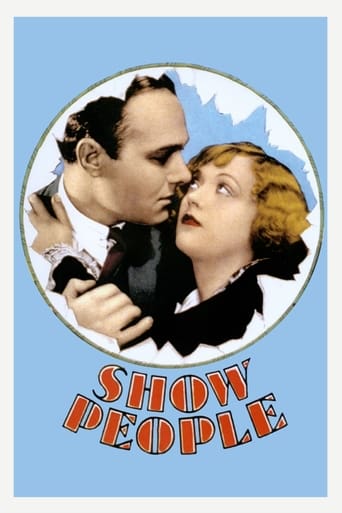
Show People
1928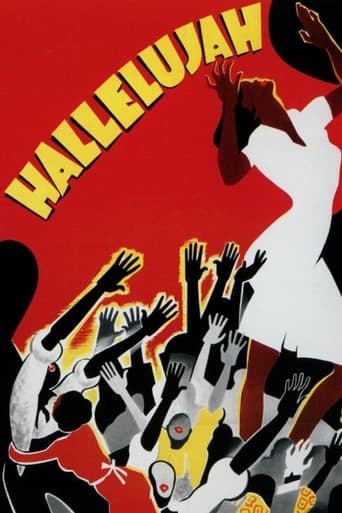
Hallelujah
1929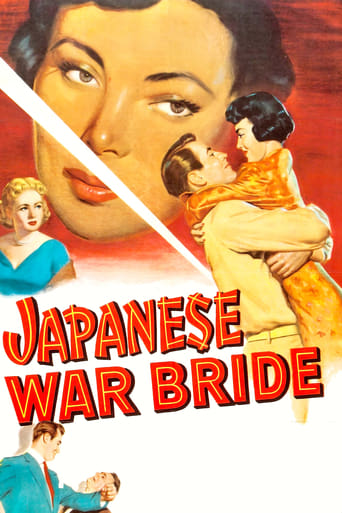
Japanese War Bride
1952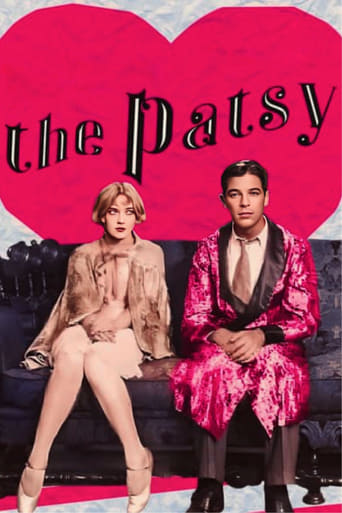
The Patsy
1928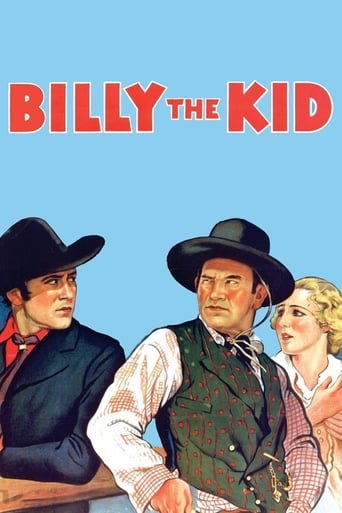
Billy the Kid
1930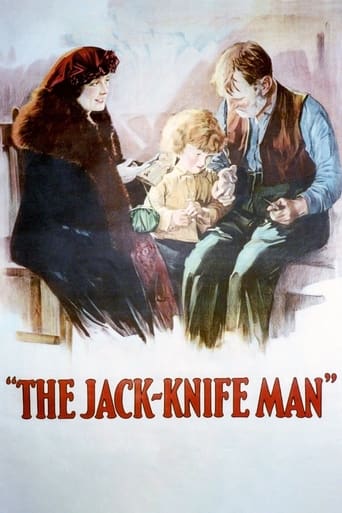
The Jack-Knife Man
1920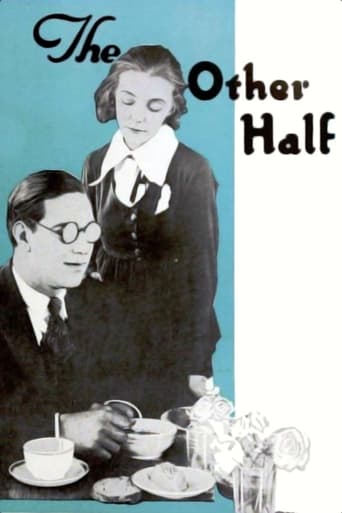
The Other Half
1919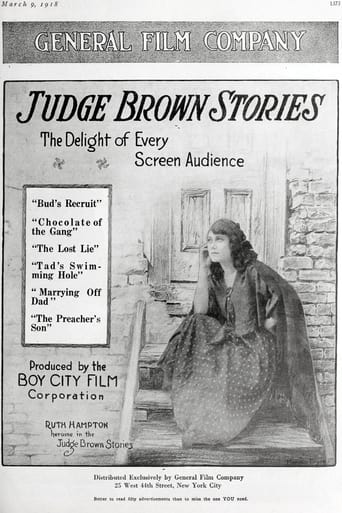
Bud's Recruit
1918
Not So Dumb
1930About King Vidor
King Wallis Vidor was one of America's most and prolific film directors, active from the silent era through the Golden Age of Hollywood, lasting over four decades. Born in Galveston, Texas, Vidor began his career as a newsreel photographer and amateur filmmaker before moving to Hollywood in 1915. He rose to prominence with his 1925 masterpiece 'The Big Parade,' which became profitable silent films ever made and established him as a major director. Vidor was known for his technical innovations, including deep focus cinematography and complex long takes, as well as his commitment to addressing social issues in his films. Throughout his career, he directed over 60 films across multiple genres, from war epics and social dramas to westerns and literary adaptations. He received five Academy Award nominations for Best Director and was honored with an honorary Oscar in 1979 for his contributions to cinema. Vidor continued working into the 1970s, leaving an indelible mark on American cinema with his humanistic approach and technical mastery.
The Craft
Behind the Camera
King Vidor was renowned for his technical innovations and humanistic approach to filmmaking. He pioneered the use of deep focus cinematography, allowing multiple planes of action to remain sharp simultaneously, influencing later directors like Orson Welles. Vidor was known for his preference for long, unbroken takes that captured continuous action, creating a sense of realism and immediacy. His visual style combined sweeping camera movements with intimate character moments, often using natural lighting and location shooting to enhance authenticity. Thematically, Vidor consistently explored the struggles of ordinary people against societal forces, bringing social consciousness to mainstream Hollywood cinema. He was equally comfortable with intimate dramas and epic spectacles, bringing the same attention to character development and visual composition to both.
Milestones
- Directed 'The Big Parade' (1925),
- Created the groundbreaking social drama 'The Crowd' (1928)
- Directed the controversial 'Duel in the Sun' (1946)
- Adapted Tolstoy's 'War and Peace' (1956)
- Received five Academy Award nominations for Best Director
- Pioneered deep focus and long take techniques
- Addressed social issues in films like 'Our Daily Bread' and 'Hallelujah!'
Best Known For
Must-See Films
Accolades
Won
- Honorary Academy Award (1979) for 'his achievements as a cinematic creator and innovator'
- Golden Globe Award for Best Director (1957) for 'War and Peace'
- Directors Guild of America D.W. Griffith Award (1964)
- New York Film Critics Circle Award for Best Director (1946) for 'Duel in the Sun'
Nominated
- Academy Award for Best Director (1929) for 'The Crowd'
- Academy Award for Best Director (1930) for 'Hallelujah!'
- Academy Award for Best Director (1931) for 'The Champ'
- Academy Award for Best Director (1939) for 'The Citadel'
- Academy Award for Best Director (1947) for 'Duel in the Sun'
- Academy Award for Best Picture (1930) for 'Hallelujah!' as producer
- Academy Award for Best Picture (1939) for 'The Citadel' as producer
- Academy Award for Best Picture (1947) for 'Duel in the Sun' as producer
- Venice Film Festival Golden Lion (1948) for 'The Fountainhead'
Special Recognition
- Hollywood Walk of Fame star (1960)
- AFI Life Achievement Award (1979)
- National Board of Review Award for Best Director (1928) for 'The Crowd'
- Kinema Junpo Award for Best Foreign Language Film (1957) for 'War and Peace'
Working Relationships
Worked Often With
Studios
Why They Matter
Impact on Culture
King Vidor profoundly shaped American cinema through his technical innovations and social consciousness. His 1928 film 'The Crowd' revolutionized cinematic storytelling with its realistic portrayal of urban life and influenced generations of filmmakers interested in social realism. Vidor's 'Hallelujah!' (1929) was groundbreaking as one of the first all-Black cast films produced by a major studio, though it reflected the racial attitudes of its time. His epic 'The Big Parade' (1925) set new standards for war films and demonstrated cinema's power to address serious themes while achieving commercial success. Vidor's commitment to humanistic themes and technical excellence helped elevate the artistic status of Hollywood cinema during the studio era. His films consistently explored themes of individual dignity, social justice, and the American experience, influencing how Hollywood addressed social issues in mainstream entertainment.
Lasting Legacy
King Vidor's legacy endures through his diverse filmography and the technical innovations he pioneered. His mastery of visual storytelling, particularly his use of deep focus and long takes, influenced directors from Orson Welles to Stanley Kubrick. Vidor's ability to balance commercial success with artistic integrity set a standard for Hollywood directors who followed. His five Academy Award nominations for Best Director over three decades testify to his sustained excellence and adaptability across changing cinematic eras. The preservation of his films by film archives and their continued study in film schools demonstrate their lasting artistic and historical value. Vidor's influence extends beyond his own films to the many directors who worked with him and carried forward his techniques and humanistic approach. His honorary Academy Award in 1979 recognized not just his individual achievements but his contribution to elevating cinema as an art form.
Who They Inspired
King Vidor influenced numerous filmmakers through both direct mentorship and artistic example. His technical innovations, particularly in deep focus cinematography, directly influenced Orson Welles and cinematographer Gregg Toland on 'Citizen Kane.' Directors like Nicholas Ray, Fred Zinnemann, and Robert Aldrich learned their craft working under Vidor. His humanistic approach to storytelling influenced social realist directors including Elia Kazan and Stanley Kramer. Vidor's ability to work successfully across genres set a precedent for versatile directors like William Wyler and George Stevens. His epic scale combined with intimate character moments influenced directors from David Lean to Steven Spielberg. Contemporary directors continue to study Vidor's techniques, particularly his mastery of long takes and visual storytelling without dialogue.
Off Screen
King Vidor was married three times and had three daughters. His first marriage to Florence Arto in 1915 ended in divorce in 1924. He then married actress Eleanor Boardman in 1926, with whom he had two daughters, Antonia and Belinda, before their divorce in 1933. His third marriage to Elizabeth Hill in 1937 lasted until her death in 1976, and they had one daughter together. Vidor was known for his strong work ethic and dedication to his craft, often working long hours on set. He was a deeply religious man whose faith influenced many of his films, particularly 'Hallelujah!' and 'The Fountainhead'. In his later years, he lived on his ranch in Paso Robles, California, where he continued to write and develop film projects until his death at age 88.
Education
Attended the Peacock Military Academy in San Antonio, Texas; briefly studied at the University of Texas before dropping out to pursue filmmaking; largely self-taught in film technique through practical experience
Family
- Florence Arto (1915-1924)
- Eleanor Boardman (1926-1933)
- Elizabeth Hill (1937-1976)
Did You Know?
- Was one of the founding members of the Directors Guild of America in 1936
- His film 'The Big Parade' (1925) earned $4.99 million at the box office, equivalent to over $75 million today
- Directed the first all-Black cast film by a major studio with 'Hallelujah!' (1929)
- Was a licensed pilot and often flew himself to film locations
- His ranch in Paso Robles, California, was used as a filming location for several of his movies
- Turned down the opportunity to direct 'Gone with the Wind' (1939)
- His 1928 film 'The Crowd' was selected for preservation in the National Film Registry in 1989
- Was a close friend and tennis partner of actor Charlie Chaplin
- His film 'Our Daily Bread' (1934) was partially funded by Eleanor Roosevelt's fundraising efforts
- Wrote an autobiography titled 'King Vidor on Film Making' published in 1972
- Was considered for directing 'The Wizard of Oz' (1939) before Victor Fleming took over
- His final film 'The Metaphor' (1980) was a short subject made when he was 86 years old
In Their Own Words
The director is the only person who knows what the picture is about.
I've always tried to make pictures that say something about life, about the human condition.
The most important thing in filmmaking is the story. If you don't have a story, you don't have anything.
I want to make pictures that will make people think, that will make them feel, that will make them better human beings.
The camera is the eye of the audience. What you show them is what they will believe.
In every picture I make, I try to find something that will touch the heart of the audience.
The trouble with Hollywood is that it's too much business and not enough art.
I've never made a picture I wasn't proud of, even the ones that failed.
Frequently Asked Questions
Who was King Vidor?
King Vidor was one of Hollywood's most respected and prolific directors, whose active years covered from the silent era through the 1950s. He directed over 60 films and was known for his technical innovations and social consciousness, receiving five Academy Award nominations for Best Director.
What films is King Vidor best known for?
Titles linked here include The Big Parade (1925), The Crowd (1928).
When was King Vidor born and when did he die?
Born February 8, 1894; died November 1, 1982.
What awards did King Vidor win?
Vidor received an Honorary Academy Award in 1979 for his achievements, won a Golden Globe for 'War and Peace' in 1957, and received the Directors Guild of America's D.W. Griffith Award in 1964. He was nominated five times for the Academy Award for Best Director.
What was King Vidor's directing style?
Vidor was known for his technical innovations, particularly deep focus cinematography and long takes, combined with a humanistic approach to storytelling. He often explored social issues and the struggles of ordinary people, bringing both technical mastery and emotional depth to his films across multiple genres.
How did King Vidor influence cinema?
Vidor influenced cinema through his technical techniques that inspired directors like Orson Welles, his humanistic storytelling that elevated Hollywood's artistic standards, and his mentorship of future directors. His films demonstrated that commercial success and artistic achievement could coexist in mainstream cinema.
Was King Vidor married and did he have children?
Yes, Vidor was married three times and had three daughters. His marriages were to Florence Arto (1915-1924), actress Eleanor Boardman (1926-1933), and Elizabeth Hill (1937-1976), with whom he remained until her death.
What was King Vidor's most successful film?
'The Big Parade' (1925) was Vidor's most commercially successful film, earning $4.99 million at the box office (equivalent to over $75 million today) and becoming.