
Down on the Farm
"The day starts off as any normal day on Roach's farm."
Keys: Space play/pause · ←/→ 10s · F fullscreen · M mute · </> speed
About this film
The day starts off as any normal day on Roach's farm, where Teddy, the farmhouse dog, is doing more productive work than everyone else combined. But the day changes when Roach's farmhand sees an opportunity to be the knight in shining armor to Louise, Roach's daughter, who he wants to marry.
Cast & crew
More films like this
More Comedy films
View all →







More from Erle C. Kenton
View all →
More about this film
About the production
Release dateNovember 7, 1920
ProductionFox Film Corporation
Filmed inFox Studios, Los Angeles, California
This was one of many rural-themed comedies produced during the early 1920s that capitalized on America's nostalgia for farm life during rapid urbanization. The film was likely shot on studio backlots designed to resemble rural settings, a common practice for efficiency in the silent era. Animal actors like Teddy the dog were becoming increasingly popular in comedies of this period, often receiving their own billing and fan mail.
Themes
Rural life vs. urban sophisticationCourtship and romanceCompetence and incompetenceThe value of hard workAnimal intelligence and loyalty
Themes & topics
Historical background
The 1920 release of Down on the Farm belongs to its era's exhibition habits rather than today's franchise model.
Why this film matters
Archivists revisit Down on the Farm (1920) for performance styles and craft choices later mainstream releases refined.
Making of
The production of 'Down on the Farm' followed the typical fast-paced schedule of silent comedy shorts, likely being completed in just a few days. Director Erle C. Kenton, who had honed his skills working with Mack Sennett, brought his expertise in physical comedy and timing to the project. The cast, all experienced comedy performers, would have relied heavily on improvisation and their established comic personas. Animal training for Teddy the dog would have been handled by professional animal handlers who were becoming increasingly important to film productions. The film was probably shot chronologically to maintain continuity in the physical gags, and the rural setting would have been created on studio backlots with props and animals brought in specifically for the production.
What critics said
Modern retrospectives screen Down on the Farm to illustrate 1920 pacing and camera norms.
Did you know?
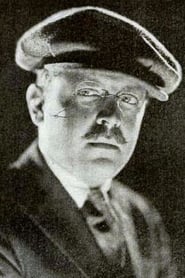
- Erle C. Kenton was a prolific director who would go on to direct over 130 films, including several Universal horror classics like 'Island of Lost Souls' (1932)
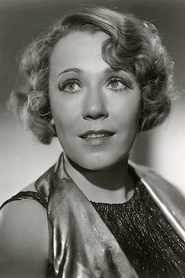
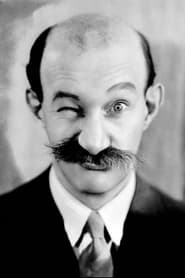
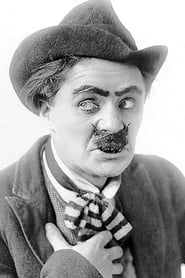
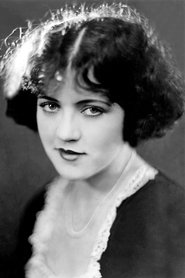
- Louise Fazenda was especially popular comediennes of the silent era, known for her ability to play both glamorous and dowdy characters with equal skill
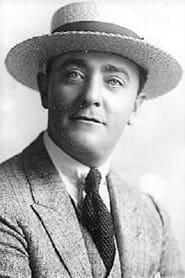
- Harry Gribbon was a veteran comedy actor who often played second banana to bigger stars like Charlie Chaplin in his early career
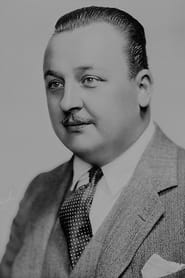
- Bert Roach was a character actor who appeared in over 300 films between 1914 and 1951, often playing comic relief roles
- The dog actor Teddy was part of a growing trend of animal stars in silent films, following the success of dogs like Rin Tin Tin and Strongheart
- 1920 was a transitional year for comedy films, as the industry was moving from short two-reelers to feature-length comedies
- Fox Film Corporation was still a relatively young studio in 1920, having been founded only in 1915
- This film was released during the height of the 'rural comedy' craze, which lasted from roughly 1915-1925
- Silent comedies of this era were typically filmed in one day, requiring actors to be extremely well-rehearsed and physically capable
- The film's release coincided with the beginning of the 'Roaring Twenties,' a period of significant social and cultural change in America
Visual style
The cinematography of 'Down on the Farm' would have been typical of 1920 comedy shorts, featuring relatively static camera positions with occasional movement to follow the action. The film would have been shot in black and white on 35mm film, with careful attention to lighting to ensure the physical gags were clearly visible. The rural setting would have required both exterior and interior shots, with the studio backlot providing controlled lighting conditions. The camera work would have been functional rather than artistic, prioritizing clarity of the comedic action over visual experimentation.
Innovations
While 'Down on the Farm' was not a technically groundbreaking film, it represented the refinement of comedy filmmaking techniques that had been developed since the early 1910s. The coordination of human actors with animal performers required specialized training and timing techniques that were still being perfected during this era. The film likely employed multiple camera setups for complex gags, a technique that was becoming more common by 1920. The editing would have followed the continuity style that was becoming standardized in Hollywood, ensuring clear narrative progression of the comedy sequences.
Music
As a silent film, 'Down on the Farm' would have been accompanied by live musical performance during theatrical exhibitions. The typical score would have included popular songs of 1920, classical pieces adapted for comedic effect, and original improvisation by the theater's pianist or organist. The music would have been synchronized with the on-screen action, with faster tempos for chase scenes and romantic melodies for scenes involving the courtship plot. Some theaters might have used compiled cue sheets specifically designed for rural comedies.
Famous quotes
As a silent film, 'Down on the Farm' contained no spoken dialogue, but would have featured intertitle cards such as: 'A day on the farm - where the dog does all the work!' and 'He's determined to win her heart, even if he breaks everything else in the process!'
Memorable scenes
- The opening sequence showcasing Teddy the dog's remarkable efficiency in completing farm chores while the human characters struggle with basic tasks
- The farmhand's disastrous attempt to rescue Louise from a pretend peril, resulting in a cascade of slapstick mishaps involving farm equipment
- The climactic scene where Teddy the dog ultimately saves the day through clever problem-solving, outsmarting all the human characters
What audiences thought
Audiences in 1920 would have received 'Down on the Farm' enthusiastically, as rural comedies were extremely popular during this period. The familiar setting and relatable characters would have appealed to both rural audiences who saw their lives reflected on screen and urban audiences who enjoyed the nostalgic portrayal of country life. The physical comedy and situational humor were universally understood, making the film accessible to the diverse immigrant populations that made up much of early cinema audiences. The dog character would have been particularly popular, as animal performers were consistently audience favorites during the silent era.
Film connections
Influenced by
- Mack Sennett comedies
- Charlie Chaplin's early shorts
- Harold Lloyd's character-driven comedy
- Buster Keaton's technical precision
- Fatty Arbuckle's situational humor
This film influenced
- Later rural comedies of the 1920s
- Animal-centered comedies
- The development of romantic comedy subplots in slapstick films
Film restoration
The preservation status of 'Down on the Farm' (1920) is uncertain, as many silent films from this period have been lost. The film may exist in archives such as the Library of Congress, the Museum of Modern Art, or the UCLA Film and Television Archive. If it survives, it would likely be on 35mm nitrate film that would require careful preservation and possibly digital restoration. The lack of widespread availability suggests it may be among the estimated 75% of silent films that are considered lost.
Where to watch
- As a rare silent short from 1920, 'Down on the Farm' is not currently available on mainstream streaming platforms. Potential viewing options would include specialized silent film archives, film museum screenings, or private collector collections. The film might occasionally appear in silent film festival programs or academic presentations on early 20th century comedy. Researchers interested in the film should contact major film archives for information about access to any existing copies.