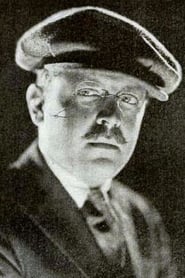
Erle C. Kenton
Director
Born: August 1, 1896 in Norborne, Missouri, USA Died: January 28, 1957 Active: 1920-1955
Films
4 films
About Erle C. Kenton
prolific American director during Hollywood's Golden Age — known for his versatility across multiple genres including horror, comedy, and drama. Beginning his career in the silent era, Kenton transitioned successfully into sound films, directing over 130 movies throughout his three-decade career. He gained particular acclaim for his work at Universal Studios, where he directed several horror films in the 1930s and 1940s. Kenton was known for his efficient directing style and ability to work within studio constraints while delivering commercially successful films. His collaborations with comedy teams like Abbott and Costello and the Marx Brothers showcased his talent for comedic timing. Despite being primarily a studio director rather than an auteur, Kenton's technical competence and genre versatility made him a valuable asset to Hollywood's studio system. His screen career spanned the early 1920s through the early 1950s, witnessing the evolution of cinema from silent films to early television.
The Craft
Behind the Camera
Kenton was known for his efficient, workmanlike approach to directing, prioritizing clear storytelling and technical competence over artistic experimentation. He demonstrated particular skill in genre films, especially horror and comedy, where he understood audience expectations and delivered satisfying entertainment. His direction was characterized by solid pacing, effective use of studio sets, and ability to extract strong performances from his actors, particularly in ensemble comedies.
Milestones
- Directed Universal's 'Island of Lost Souls' (1932)
- Helmed multiple Abbott and Costello comedies
- Directed 'The Ghost of Frankenstein' (1942)
- Made 'House of Frankenstein' (1944)
- Worked with the Marx Brothers on 'The Big Store' (1941)
Best Known For
Must-See Films
Working Relationships
Worked Often With
Studios
Why They Matter
Impact on Culture
Erle C. Kenton played a significant role in shaping Hollywood's horror genre during its golden age at Universal Studios. His contributions to the Frankenstein and other monster series helped establish many conventions of American horror cinema that would influence filmmakers for decades. In comedy, his work with Abbott and Costello helped define the team's screen persona and contributed to their massive popularity during the 1940s. Kenton's films, while not critically acclaimed as artistic masterpieces, were commercially successful and reflected the entertainment values of mid-20th century American audiences.
Lasting Legacy
Though not remembered as an auteur director, Kenton's legacy lives on through the enduring popularity of his horror films and comedies. His Universal horror entries remain staples of classic horror cinema and continue to be screened and studied by film enthusiasts. The Abbott and Costello films he directed preserve an important chapter in American comedy history. Kenton represents the studio system journeyman director – reliable, versatile, and capable of delivering quality entertainment across genres. His filmography provides a valuable window into Hollywood's factory-like production methods during its golden age.
Who They Inspired
Kenton's horror films influenced subsequent generations of horror directors, particularly in their approach to monster mashups and sequels. His efficient directing style served as a model for studio directors who needed to deliver films on time and within budget. The visual techniques and narrative structures he employed in his horror films became part of the genre's visual language. His work with comedy teams demonstrated how to effectively translate stage comedy timing to the screen, influencing later comedy directors.
Off Screen
Erle C. Kenton married actress Viora Daniel in 1926, and they remained together until his death in 1957. The couple had no children. Kenton was known as a reliable, hardworking director who maintained good relationships within the studio system. He lived primarily in the Los Angeles area throughout his career, typical of Hollywood professionals of his era. His death from a heart attack at age 60 cut short a career that was still active in the emerging television medium.
Family
- Viora Daniel (1926-1957)
Did You Know?
- Directed over 130 films in his 35-year career
- Was one of Universal's go-to directors for their horror franchise
- Never received an Academy Award nomination despite his prolific output
- Began his career as an actor in silent films before transitioning to directing
- Worked with virtually every major horror star of the 1930s and 1940s
- His most productive period was the 1940s when he averaged 4-5 films per year
- Directed one of Boris Karloff's final Frankenstein appearances
- Made several films for the US government during World War II
- Transitioned to television directing in the early 1950s
- His films often featured elaborate laboratory and castle sets that became horror genre staples
In Their Own Words
In this business, you're only as good as your last picture
Horror pictures are easy to make – you just scare people and they come back for more
Working with Abbott and Costello was like trying to direct two hyperactive children – you just pointed the camera and let them go
Frequently Asked Questions
Who was Erle C. Kenton?
Prolific American on YTB.my. He directed over 130 films during his career, becoming one of Hollywood's reliable studio directors who could work effectively across multiple genres.
What films is Erle C. Kenton best known for?
Titles linked here include Island of Lost Souls (1932), The Ghost of Frankenstein (1942).
When was Erle C. Kenton born and when did he die?
Born August 1, 1896; died January 28, 1957.
What awards did Erle C. Kenton win?
Despite his prolific career directing over 130 films, Erle C. Kenton never received an Academy Award nomination or won major industry awards. His recognition came primarily from the commercial success of his films and his reputation as a reliable studio director who could deliver quality entertainment on schedule and within budget.
What was Erle C. Kenton's directing style?
Kenton was known for his efficient, workmanlike directing style that prioritized clear storytelling and technical competence. He excelled at genre films, particularly horror and comedy, where he understood audience expectations and delivered satisfying entertainment. His approach was characterized by solid pacing, effective use of studio resources, and ability to work successfully with ensemble casts, especially comedy teams.