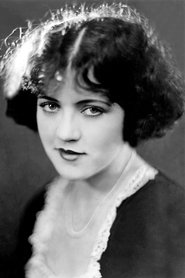
Marie Prevost
Actor
Born: November 8, 1898 in Sarnia, Ontario, Canada Died: January 21, 1937 Active: 1915-1936 Birth Name: Mary Bickford Dunn
Films
12 films
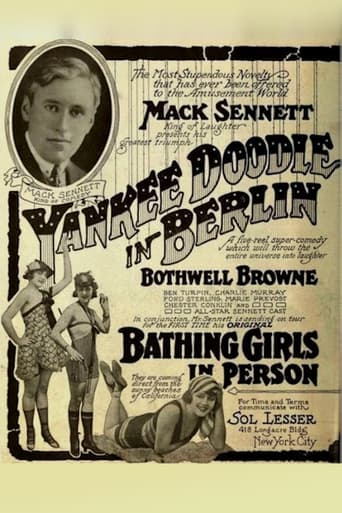
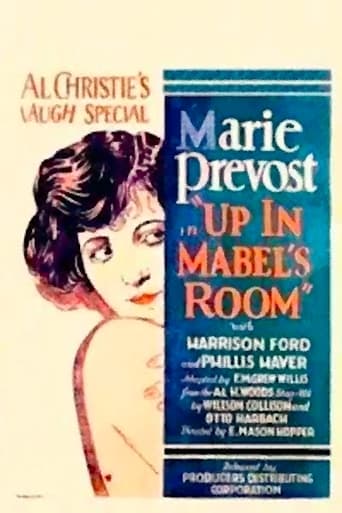
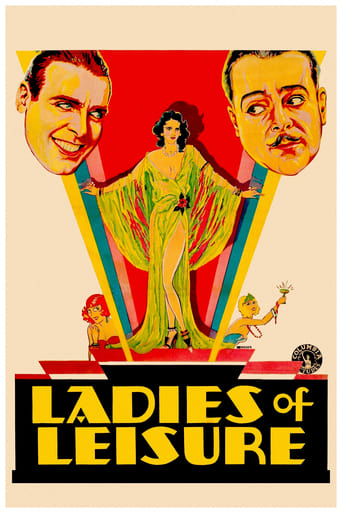
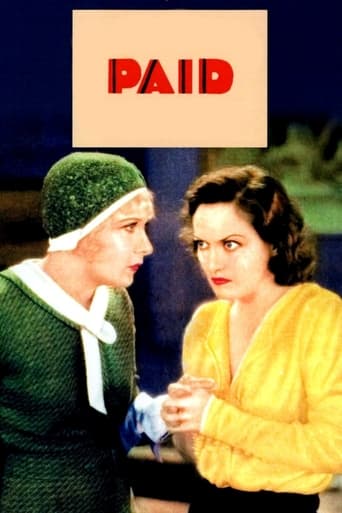
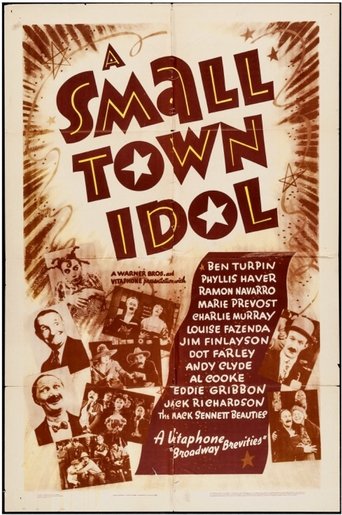
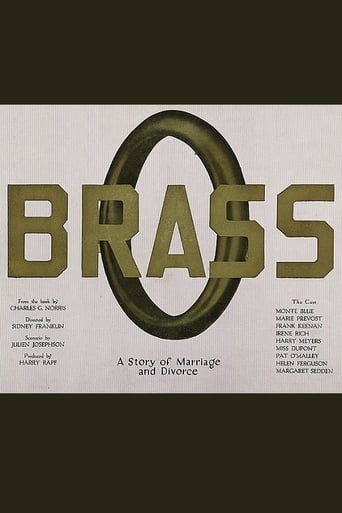

About Marie Prevost
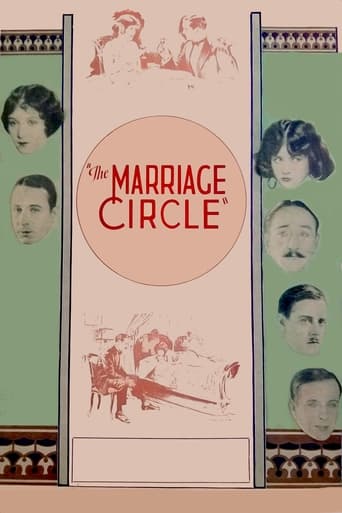
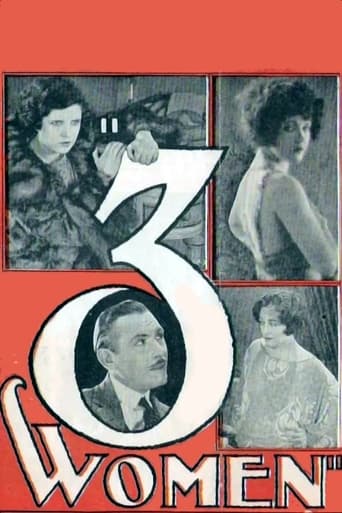
Canadian-born American actress who rose to fame during the silent film era, becoming popular comediennes of the 1920s. She began her career as a model and was discovered by comedy producer Mack Sennett, who cast her in his bathing beauty comedies. Prevost's career peaked in the mid-1920s when she worked with director Ernst Lubitsch in sophisticated comedies like 'The Marriage Circle' (1924) and 'Three Women' (1924). She successfully transitioned to sound films but her career declined due to personal struggles, including alcoholism and weight gain. Her life ended tragically when she died at age 38 from acute alcoholism and malnutrition, with her death becoming one of Hollywood's saddest cautionary tales. Despite her tragic end, Prevost left behind a legacy of charming performances that showcased her comedic timing and screen presence.
The Craft
On Screen
Marie Prevost was known for her sparkling comedic timing, effervescent personality, and natural charm on screen. She specialized in playing the modern, vivacious young woman with a quick wit and playful demeanor. Her acting style was characterized by expressive eyes, graceful movements, and an ability to convey both comedy and subtle emotion. In her Lubitsch films, she demonstrated a sophisticated understanding of subtle comedy and romantic tension. Her transition to sound revealed a pleasant speaking voice that retained her bubbly personality, though her later roles often cast her as the loyal friend or sympathetic character.
Milestones
- Discovered by Mack Sennett and became one of his Sennett Bathing Beauties (1915)
- Signed with Warner Bros. And became a leading lady in sophisticated comedies (1923-1926)
- Successfully transitioned to sound films in early talkies (1929)
- Became a character actress in supporting roles during her later career (1930s)
Best Known For
Iconic Roles
Must-See Films
Accolades
Special Recognition
- Hollywood Walk of Fame star (located at 6201 Hollywood Boulevard for her contributions to motion pictures)
Working Relationships
Worked Often With
Studios
Why They Matter
Impact on Culture
Marie Prevost represented the quintessential 1920s flapper archetype on screen, embodying the era's spirit of youthful rebellion and modern femininity. Her work with Ernst Lubitsch helped establish the sophisticated romantic comedy genre that would influence Hollywood for decades. Her tragic life story became a cautionary tale about the dark side of Hollywood fame, referenced in numerous books and documentaries about classic Hollywood. Her death scene in 'Sunset Boulevard' (1950), where Norma Desmond mentions 'those wonderful people out there in the dark,' is often interpreted as including references to forgotten stars like Prevost. Her career trajectory from bathing beauty to leading lady to character actress mirrored the typical path of many silent film stars struggling with the transition to sound.
Lasting Legacy
Marie Prevost's legacy lies in her contribution to the development of film comedy and her embodiment of the 1920s cinematic ideal of feminine charm and wit. Her performances in Lubitsch films remain exemplary of sophisticated silent comedy, influencing generations of comic actresses. The tragedy of her life and death has made her an enduring symbol of Hollywood's forgotten stars, inspiring works like a character inspired by Joan Crawford in 'The Star' (1952), which was partially based on Prevost's story. Her Hollywood Walk of Fame star ensures her contributions are permanently recognized, while film historians and preservationists continue to champion her work. The Marie Prevost Scholarship was established to help aspiring actors, ensuring her name continues to support new talent in the industry.
Who They Inspired
Marie Prevost influenced the development of the screwball comedy genre through her work in sophisticated romantic comedies. Her natural comedic style and ability to blend humor with pathos paved the way for later comic actresses like Carole Lombard and Jean Arthur. Her success as a Canadian in Hollywood helped open doors for other international performers in American cinema. The tragic nature of her career decline influenced how Hollywood studios began handling career transitions and personal problems among their stars. Her story has been referenced in numerous Hollywood biographies and has served as a cautionary tale about fame's fleeting nature.
Off Screen
Marie Prevost's personal life was marked by tragedy and struggle, contrasting sharply with her on-screen persona. She married actor/director Kenneth Harlan in 1924, but the marriage ended in divorce in 1927, which coincided with her mother's death and the beginning of her decline. Devastated by these losses, she turned to alcohol, which led to weight gain and damaged her career prospects. Her second marriage to Sonny Gerheim in 1929 was short-lived and ended in divorce. Despite her personal struggles, she maintained friendships in Hollywood and continued working in smaller roles until her death. Her tragic end became one of Hollywood's most cautionary tales about the fleeting nature of fame.
Education
Limited formal education; left school early to help support her family after her father's death
Family
- Kenneth Harlan (1924-1927)
- Sonny Gerheim (1929-1930)
Did You Know?
- She was originally named Mary Bickford Dunn but changed her name to Marie Prevost for her film career
- She was discovered while working as a secretary in Los Angeles
- She was one of Mack Sennett's famous 'Bathing Beauties' in the late 1910s
- She earned $1,500 per week at the height of her career - a substantial sum in the 1920s
- She was known for her distinctive dimpled smile which became her trademark
- She appeared in over 100 films during her 21-year career
- Her weight gain during the sound transition led to cruel nicknames from studio executives
- She was found dead in her apartment with her dog, who had survived by chewing on her arm
- Joan Crawford allegedly paid for her funeral when no one else would
- Her death certificate listed the cause as 'acute alcoholism' and 'starvation due to alcoholism'
In Their Own Words
I'm not a star. I'm just a hard-working actress trying to make a living.
The camera doesn't lie, but it can be very cruel when you're not young anymore.
Comedy is serious business. You have to know tragedy to make people laugh.
Frequently Asked Questions
Who was Marie Prevost?
Canadian-American actress who rose to fame during the silent film era as one of Hollywood's most popular comediennes. She starred in numerous successful films in the 1920s, particularly in sophisticated comedies directed by Ernst Lubitsch, before her tragic decline and death in 1937.
What films is Marie Prevost best known for?
Titles linked here include The Marriage Circle (1924), Three Women (1924).
When was Marie Prevost born and when did she die?
Born November 8, 1898; died January 21, 1937.
What awards did Marie Prevost win?
During her lifetime, Marie Prevost did not receive major formal awards, as her career peaked before the establishment of systematic award ceremonies. However, she was posthumously honored with a star on the Hollywood Walk of Fame at 6201 Hollywood Boulevard for her contributions to motion pictures.
What was Marie Prevost's acting style?
Marie Prevost was known for her sparkling comedic timing, effervescent personality, and natural charm, specializing in playing modern, vivacious young women with quick wit. Her style featured expressive eyes, graceful movements, and the ability to convey both comedy and subtle emotion, particularly excelling in sophisticated romantic comedies that required subtle nuance and timing.