
Elise Cavanna
Actor
Born: January 30, 1902 in Philadelphia, Pennsylvania, United States Died: March 12, 1963 Active: 1926-1932 (film career) Birth Name: Elise Seeds
Films
2 films
About Elise Cavanna
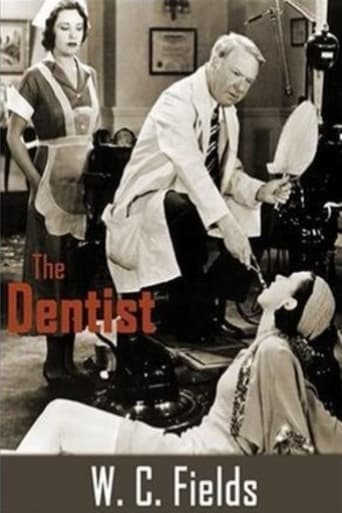
Elise Cavanna, born Elise Seeds, was an American actress, dancer, and visual artist who made her mark during the transition from silent films to early talkies in Hollywood. She began her career as a modern dancer in New York, performing with the prestigious Denishawn Dance School before transitioning to acting in the mid-1920s. Cavanna gained recognition for her work with comedy legend W.C. Fields, appearing in several of his films including 'It's the Old Army Game' (1926) and 'The Dentist' (1932), where she often played the straight-woman or romantic interest to Fields' comedic antics. Her film career was relatively brief, spanning approximately six years from 1926 to 1932, during which she appeared in over a dozen films. After leaving the film industry, Cavanna reinvented herself as a successful painter and sculptor, studying under renowned artists and eventually gaining recognition in the art world. Her artistic evolution from performer to visual artist reflected the creative versatility that characterized her entire life. Cavanna's legacy spans both entertainment and fine arts, making her a unique figure in American cultural history.
The Craft
On Screen
Cavanna was known for her poised and elegant screen presence, often serving as the perfect comedic foil to W.C. Fields' bumbling characters. She possessed a natural grace that stemmed from her dance background, allowing her to move with fluidity and precision on screen. Her acting style was subtle yet effective, capable of delivering both comedic timing and genuine emotional depth when required. As a transition-era actress, she successfully adapted from the exaggerated expressions of silent film to the more nuanced performances required by sound cinema.
Milestones
- Danced with the Denishawn Dance School
- Appeared in multiple W.C. Fields comedies
- Transitioned from silent films to early talkies
- Became a successful painter and sculptor after acting career
- Studied under influential artists including Thomas Hart Benton
Best Known For
Iconic Roles
Must-See Films
Accolades
Special Recognition
- Recognized posthumously for her contributions to American art as a painter and sculptor
Working Relationships
Worked Often With
Studios
Why They Matter
Impact on Culture
Elise Cavanna represents the fascinating transition of entertainment artists who successfully reinvented themselves across different media. Her work with W.C. Fields helped establish some of the early comedy tropes that would influence generations of film comedians. As a woman who navigated both the restrictive studio system of early Hollywood and the male-dominated art world, she paved the way for future multi-disciplinary female artists. Her journey from performer to respected visual artist demonstrated the possibility of creative evolution and artistic growth beyond the constraints of typecasting and industry expectations.
Lasting Legacy
Though her film career was brief, Elise Cavanna's legacy endures through two distinct artistic realms. In cinema history, she remains notable as one of W.C. Fields' most reliable screen partners during his early sound period. However, her lasting impact is perhaps more significant in the art world, where her paintings and sculptures are held in various private collections and occasionally exhibited in retrospectives of American modernism. Cavanna's life story serves as an inspiring example of artistic reinvention and the pursuit of creative fulfillment across multiple disciplines.
Who They Inspired
Cavanna influenced subsequent generations of artists through her example of successful career transition. Her ability to move from performing arts to visual arts demonstrated that creative talent need not be confined to a single medium. In the film industry, her work with W.C. Fields helped establish the template for straight-woman roles in comedy duos. As a visual artist, she contributed to the American modernist movement of the mid-20th century, particularly through her abstract paintings and sculptural works that reflected both her dance background and European modernist influences.
Off Screen
Elise Cavanna married screenwriter and director Harry d'Abbadie d'Arrast in 1931, though the marriage ended in divorce. After leaving the film industry, she devoted herself entirely to visual arts, studying at the Art Students League of New York and later in Paris. She eventually settled in New York, becoming part of the city's vibrant art scene. Cavanna never had children and remained dedicated to her artistic pursuits until her death from cancer in 1963. Her personal life reflected her artistic nature, with relationships often revolving around creative circles in both Hollywood and the art world.
Education
Studied dance at the Denishawn Dance School, later studied painting at the Art Students League of New York and in Paris under various European masters
Family
- Harry d'Abbadie d'Arrast (1931-1933)
Did You Know?
- Began her career as a professional dancer before entering films
- Was discovered by Hollywood scouts while performing with a dance troupe
- Her real name was Elise Seeds, which she changed to Cavanna for her acting career
- Appeared in both silent films and early talkies, successfully making the transition
- Was known for her distinctive bobbed haircut, which was considered daring in the 1920s
- After leaving Hollywood, she studied painting in Paris for several years
- Her artwork was influenced by both American regionalism and European modernism
- She was one of the few actresses of her era to successfully transition to a completely different artistic career
- Cavanna was known for her intelligence and wit, which made her a favorite in Hollywood social circles
- Her marriage to Harry d'Abbadie d'Arrast connected her to European artistic circles
- She maintained lifelong friendships with several of her Hollywood colleagues even after leaving the industry
- Her paintings often featured dance themes, reflecting her early career
In Their Own Words
I found that the discipline of dance prepared me for the discipline of painting in ways I never expected
Working with W.C. Fields taught me everything about timing - both in comedy and in art
Every medium is just another way of expressing the same inner truth
I don't see my life as having different chapters, but as one continuous creative journey
Frequently Asked Questions
Who was Elise Cavanna?
American actress, dancer, and visual artist who worked in Hollywood during the late 1920s and early 1930s, best known for her collaborations with comedian W.C. Fields before transitioning to a successful career as a painter and sculptor.
What films is Elise Cavanna best known for?
Titles linked here include It's the Old Army Game (1926), The Dentist (1932).
When was Elise Cavanna born and when did she die?
Born January 30, 1902; died March 12, 1963.
What awards did Elise Cavanna win?
While Elise Cavanna did not receive major awards for her film work, she gained significant recognition in the art world for her paintings and sculptures, with her works being exhibited in galleries and held in private collections.
What was Elise Cavanna's acting style?
Cavanna's acting style was characterized by elegance and grace, stemming from her dance background. She excelled at playing sophisticated characters and provided excellent comic timing as a foil to W.C. Fields, adapting successfully from silent film's exaggerated style to the more nuanced performances required in talkies.
Did Elise Cavanna continue working in films after 1932?
No, Elise Cavanna left the film industry after 1932 to pursue a career in visual arts, studying painting in New York and Paris, eventually becoming a respected painter and sculptor in the American modernist movement.
How did Elise Cavanna transition from acting to art?
After her divorce from director Harry d'Abbadie d'Arrast and disillusionment with Hollywood, Cavanna enrolled at the Art Students League of New York, studied in Paris, and gradually built a reputation as a serious painter and sculptor, leveraging her artistic discipline from dance into visual arts.